



Port Colborne residents can rely on a professional furnace tune-up to improve safety, efficiency, and reliability during harsh winters. This service includes inspection, cleaning, and testing of major components, with tasks such as burner cleaning, combustion analysis, thermostat calibration, safety checks, lubrication, electrical inspection, and venting assessment. Regular annual tune-ups reduce energy use, prevent unexpected breakdowns, and support warranty coverage. Timelines typically range from 60 to 90 minutes, with shorter visits for simpler systems and longer sessions as needed overall.
.jpeg)
Furnace tune-up in Port Colborne, ON
A professional furnace tune-up is the most cost effective way to keep your heating reliable, efficient, and safe through Port Colborne winters. With cold temperatures, lake effect snow, and higher humidity near Lake Erie, well-maintained furnaces last longer and use less energy. This page explains what a furnace tune-up in Port Colborne, ON includes, common issues we detect, how the service is performed, what improvements to expect, and seasonal maintenance advice tailored to homes in the area.
Why get a furnace tune-up in Port Colborne, ON
- Port Colborne’s cold, damp winters put extra strain on heating systems. Moisture can accelerate corrosion, and debris or nests in vents near shoreline properties can disrupt airflow.
- A tune-up restores efficient operation, reduces the risk of mid-winter breakdowns, and lowers fuel use.
- Regular maintenance is often required to keep manufacturer warranties valid and to ensure safety systems like carbon monoxide detection and combustion controls function correctly.
What a comprehensive furnace tune-up includes
A full tune-up inspects, cleans, and tests all major components. Typical tasks performed during a tune-up in Port Colborne homes include:
- Filter inspection and replacement or recommendation - check the filter type and condition; replace or advise on a replacement schedule to maintain airflow and indoor air quality.
- Burner and ignition cleaning - remove soot, dust, and deposits from burners and ignition components to ensure reliable starts and complete combustion.
- Combustion analysis - measure combustion gases, flue temperature, and oxygen or CO2 levels to verify safe, efficient burning and check for dangerous carbon monoxide production.
- Thermostat calibration - ensure the thermostat reads and responds accurately to maintain consistent comfort.
- Safety checks - test flame sensors, limit switches, pressure switches, and carbon monoxide detectors to confirm safe operation.
- Lubrication and moving parts inspection - lubricate motors, blower bearings, and inspect belts and pulleys to reduce wear and noise.
- Electrical and control inspection - verify wiring, connections, and control boards are secure and functioning.
- Venting and flue inspection - examine flue pipes, chimney, and exhaust for corrosion, blockages, or signs of backdrafting that can be aggravated by lake-effect conditions.
- Airflow and blower performance check - confirm adequate airflow through ducts and registers; advise on duct or return issues if airflow is restricted.
- Visual inspection for corrosion, leaks, or rodent/insect damage - especially important in shoreline and older homes where moisture and pests are common.
Typical service duration and what to expect
- Most standard residential furnace tune-ups take 60 to 90 minutes. Older systems, multi-stage furnaces, or units with extensive cleaning needs can take up to two hours.
- The technician will perform a start-up and shutdown sequence, document combustion and safety readings, and leave a brief service report summarizing findings and recommended actions.
- If additional repairs or parts are needed (for example a failed limit switch or heavily corroded flue), those are discussed separately. Routine tune-ups focus on preventive maintenance and inspections.
Common furnace problems we find in Port Colborne homes
- Dirty or clogged filters restricting airflow and increasing run-time.
- Sooty or misaligned burners that lower efficiency and raise carbon monoxide risk.
- Faulty ignition or flame sensors causing intermittent shutdowns.
- Drafting or flue corrosion from higher moisture exposure near Lake Erie.
- Thermostat drift resulting in uneven temperatures and unnecessary cycling.
- Worn blower motors or belts producing noise and lowering airflow.
How a tune-up improves performance and saves energy
- Improved combustion efficiency - cleaning burners and tuning the system helps it burn fuel more cleanly, increasing heat output per unit of fuel.
- Better airflow and reduced runtime - clean filters and properly balanced blowers reduce the time a furnace must run to achieve the same comfort.
- Reduced risk of breakdowns - preventative inspection identifies worn components before they fail during peak cold.
- Typical energy savings range - while results vary by furnace age and condition, homeowners commonly see efficiency improvements that can reduce fuel consumption by approximately 5 to 15 percent after a thorough tune-up and filter service. Savings depend on system age, baseline maintenance, and thermostat behavior.
- Longer equipment life - addressing lubrication, electrical issues, and small repairs extends overall system lifespan and delays costly replacements.
Safety and combustion testing explained simply
Combustion testing measures how completely the furnace burns fuel and checks for unsafe exhaust. Key checks include:
- Carbon monoxide measurement - even small CO leaks are dangerous. A tune-up includes testing exhaust gases to ensure levels are safe.
- Flue temperature and draft - confirms exhaust flows properly out of the home and that the furnace is not overheating.
- Combustion efficiency indicators - these readings tell whether adjustments are needed for cleaner, more efficient operation.
Seasonal timing and maintenance schedule for Port Colborne homes
- Best time for a tune-up - late summer to early fall (September to October) before the heating season reduces the chance of emergency repairs on the first cold night.
- Frequency - an annual tune-up is recommended for most homes. In dwellings near the lakeshore, with higher humidity or salt exposure, consider biannual inspections if the system or venting shows signs of corrosion.
- Mid-winter safety check - for older systems with previous issues, a mid-season inspection can help catch problems early during prolonged cold spells.
After the service: routine homeowner tips
- Check and change filters regularly - most homes need filter attention every 1 to 3 months depending on filter type and household factors like pets or renovations.
- Keep vents and returns clear - furniture, curtains, or stored items should not block registers.
- Monitor thermostats and note unusual cycling or noises - these observations help technicians identify problems faster at the next visit.
- Ensure outdoor vents and chimneys stay clear of snow, nests, and debris, particularly after storms or high winds common along the lakeshore.
Final benefits of a professional tune-up in Port Colborne
A professionally performed furnace tune-up in Port Colborne, ON helps keep your home comfortable, lowers energy consumption, reduces the likelihood of emergency repairs during cold snaps, and addresses safety concerns specific to shoreline climates. Annual maintenance also supports warranty coverage and protects your investment in heating equipment. Regular tune-ups are the practical, preventative choice for dependable winter comfort in Port Colborne.

Customer Testimonials

I called John today at 2:pm as my AC was not working and I wasn’t expecting even a call back as I knew with this hot weather we have had he would be swamped with calls. Well he called me back and showed at 8:pm on the same day to fix my AC. That is just incredible service and how much John really cares about his clients. Thank you John !

I had an issue with my hot water tank and called Niagara Home Heating. Their service was fantastic and reasonably priced—exactly how a business should be run!
Lifesavers!! The AC in our house decided to quit the day we were passing the keys to the new owners!! Instead of making a service call to the house, John coached me through the minor repair over the phone, saving me the money and time waiting for a repair person to come.Much appreciated! Thanks again John
I have used Niagara Home heating for multiple projects for over 16 years. John and his staff are absolutely the best. I tell all my friends and family about Niagara Home Heating because you won’t get any better service or pricing anywhere in Niagara. He has saved me thousands and thousands of dollars and has never let me down.
We had an amazing experience getting our new furnace installed with Niagara Home Heating. The owner was very helpful, their quote was more then competitive and the technician who installed the unit was professional and friendly. I would recommend their services.
Very efficient company. I needed an old solar water heater removed from my roof. They were quick to book an appointment for the next day after I sent photos. They were very knowledgeable of the issue. The 2 guys that came were friendly and competent with the job, including removal of all parts.

Service Areas
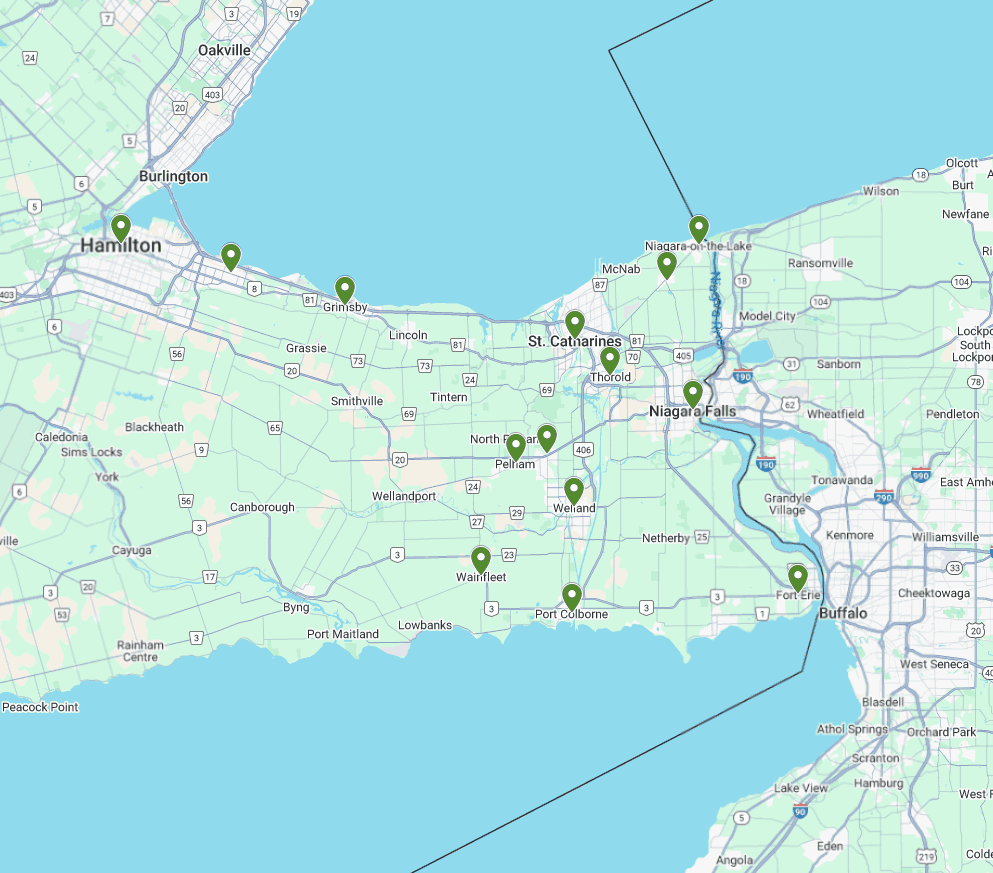
Our service areas encompass a wide range of locations, ensuring that we can meet the needs of our clients wherever they are. From bustling urban centers to serene rural landscapes, we are committed to providing top-notch services tailored to each unique environment.