



Port Colborne homeowners seeking heating installation will find a comprehensive guide to choosing, sizing, and installing a new or replacement system. It describes covers site evaluation, load calculations, ductwork and piping considerations, permitting, and safety compliance, followed by a step-by-step installation workflow, commissioning, and cleanup. It also discusses warranties, financing, and long-term maintenance to maximize efficiency, comfort, and system longevity in Port Colborne’s cold winters. The content emphasizes professional service, thorough testing, and personalized options for homes and new construction.
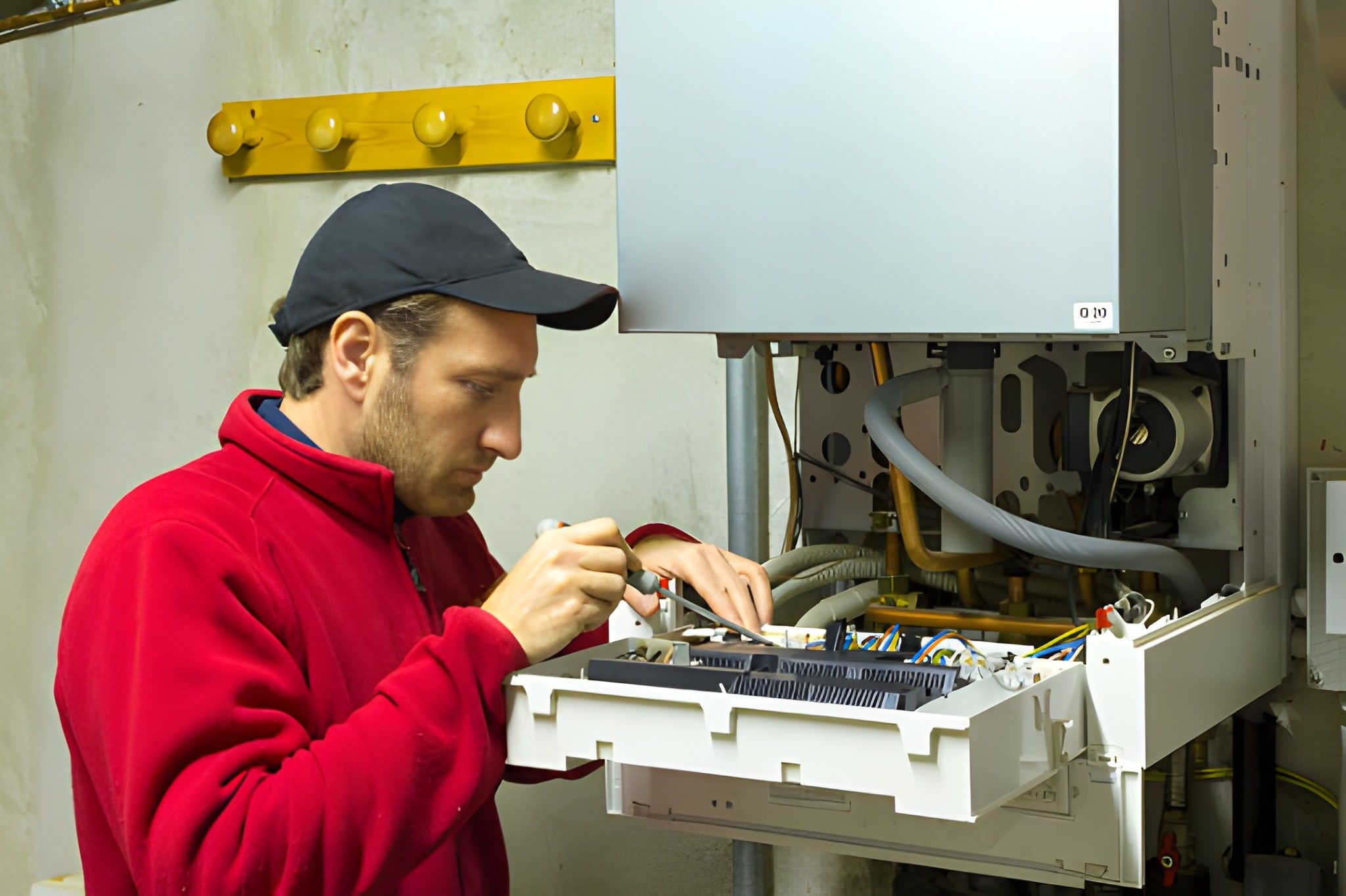
Heating installation in Port Colborne, ON
An efficient, correctly sized heating system is one of the most important investments for homes in Port Colborne, ON. With cold, lake-effect winters and older housing stock along the Lake Erie shore, improper installations or undersized equipment lead to higher energy bills, uneven comfort, and premature equipment failure. It describes professional heating system installation for new construction and replacements in Port Colborne, covering site evaluation, system sizing and equipment selection, ductwork or piping considerations, permitting and safety compliance, the installation workflow, commissioning, cleanup, warranties, and financing — so you can choose the right solution with confidence.
Why a proper installation matters in Port Colborne homes
- Port Colborne winters can include heavy snow and temperature swings, so heating systems must deliver reliable output and efficient operation.
- Many homes near the waterfront have heat loss patterns driven by older windows, uninsulated walls, and higher humidity, which affects system sizing and equipment choice.
- A professional installation reduces long-term operating costs, improves comfort, and lowers the risk of breakdowns during cold spells.
Common heating installation types we evaluate
- Furnace installation and replacement (gas, electric, high-efficiency condensing furnaces)
- Heat pump installation and cold-climate heat pump replacements (air-source and hybrid systems)
- Boiler and hydronic system installation for radiant or baseboard heating
- Ductless mini-split systems for additions, renovations, or homes without ducts
- Complete system installs for new construction and major renovations
Pre-install site evaluation
A thorough evaluation prevents surprises and ensures the new system performs as intended:
- Home walkthrough to review existing heating equipment, fuel source, venting, and access points
- Heat loss calculation (Manual J or equivalent) to determine accurate heating load and ideal system capacity
- Ductwork or piping inspection to identify leaks, insulation needs, or required modifications
- Venting and chimney condition check for combustion appliances to confirm safe exhaust and air supply
- Electrical panel capacity review for systems requiring higher power (heat pumps, electric furnaces)
System sizing and equipment selection
Correct sizing and the right features are critical:
- Use of industry-standard load calculations to avoid oversized or undersized equipment
- Discuss energy-efficiency options such as high AFUE furnaces, variable-speed blowers, modulating gas valves, or cold-climate heat pumps for Port Colborne’s variable climate
- Consider indoor air quality upgrades during installation: high-efficiency filters, ERV/HRV ventilation, and humidification where needed
- Evaluate lifecycle cost, not only initial price: energy savings, maintenance expectations, and available warranties
Ductwork and piping considerations
- Ductwork: inspect for leaks, proper sizing, and insulation. Sealing and re-routing may be necessary to maintain airflow and efficiency.
- Sheet metal vs. flexible duct trade-offs: sealed sheet metal performs best long term; flexible can work for tricky spaces but must be properly supported and sealed.
- Hydronic systems: piping layout, pump sizing, and zone control influence comfort and efficiency. Existing radiators and piping condition determine replacement scope.
- Clearances and access for service must be designed into new installations to reduce future maintenance costs.
Permitting and safety compliance
- Installations meet provincial and local codes and safety regulations, including building permits where required.
- Gas-fired appliances must follow safety standards for gas piping, venting, and combustion air. Technicians verify proper combustion, vent connections, and CO safeguards.
- Electrical connections are installed per code and, when necessary, coordinated with licensed electricians for panel changes or dedicated circuits.
Step-by-step installation workflow
- Pre-install preparation: site protection (floor runners, door covers), delivery staging, and old-equipment disconnect planning.
- Safe removal and disposal of old system, including responsible recycling when possible.
- Rough-in work: modify or install ductwork, piping, gas lines, vents, and electrical connections.
- Equipment placement and secure mounting; connect fuel, refrigerant lines (for heat pumps), or hydronic piping.
- Commission mechanical and electrical connections; install controls and thermostats.
- Leak testing, combustion analysis, refrigerant charging (if applicable), and system balancing.
- Final testing and commissioning to manufacturer and code specifications.
- Site cleanup and homeowner walkthrough explaining system operation and maintenance basics.
Typical single-family furnace replacement is often completed in one workday when access and ductwork are straightforward; new construction or conversions may require multiple days and coordination with other trades.
Quality assurance and commissioning
Quality checks ensure reliable, efficient operation:
- Confirm output meets calculated heating load and system cycles appropriately
- Airflow measurements and balancing for ducted systems
- Combustion efficiency and CO testing for gas appliances
- Thermostat calibration and zoning checks
- Documentation of final settings, warranties, and recommended maintenance schedule
Cleanup practices and jobsite respect
Professional installers protect living spaces by laying down runners, using shoe covers, and containing dust. After installation, technicians remove debris, recycle old equipment when possible, and leave the home clean and safe.
Warranties and financing options
- Installations typically include both manufacturer warranties on parts and separate workmanship warranties covering installation quality and service.
- Warranty registration and documentation are provided so homeowners understand coverage periods and any required maintenance.
- Financing options and payment plans are commonly available to help spread the cost of new systems. Customers may also be eligible for provincial or federal energy rebates and local utility incentives that reduce net cost; these options are considered during equipment selection and paperwork preparation.
Long-term benefits and maintenance advice
A correctly installed heating system delivers:
- Lower energy bills through better efficiency and reduced cycling
- Consistent comfort across rooms and during extreme Port Colborne winters
- Longer equipment life and fewer emergency repairs
- Improved indoor air quality when paired with ventilation and filtration upgrades
Recommended maintenance after installation includes annual tune-ups, filter changes every 1 to 3 months depending on usage, and periodic duct or heat-exchanger inspections. Regular upkeep preserves warranty coverage and maintains optimal performance.
Whether replacing an aging furnace, installing a heat pump for improved efficiency, or fitting a new system in a construction project, understanding these installation steps and considerations helps Port Colborne homeowners choose the right solution for lasting comfort and value.

Customer Testimonials

We had an amazing experience getting our new furnace installed with Niagara Home Heating. The owner was very helpful, their quote was more then competitive and the technician who installed the unit was professional and friendly. I would recommend their services.

I called John today at 2:pm as my AC was not working and I wasn’t expecting even a call back as I knew with this hot weather we have had he would be swamped with calls. Well he called me back and showed at 8:pm on the same day to fix my AC. That is just incredible service and how much John really cares about his clients. Thank you John !
I had an issue with my hot water tank and called Niagara Home Heating. Their service was fantastic and reasonably priced—exactly how a business should be run!
Very efficient company. I needed an old solar water heater removed from my roof. They were quick to book an appointment for the next day after I sent photos. They were very knowledgeable of the issue. The 2 guys that came were friendly and competent with the job, including removal of all parts.
I have used Niagara Home heating for multiple projects for over 16 years. John and his staff are absolutely the best. I tell all my friends and family about Niagara Home Heating because you won’t get any better service or pricing anywhere in Niagara. He has saved me thousands and thousands of dollars and has never let me down.
Lifesavers!! The AC in our house decided to quit the day we were passing the keys to the new owners!! Instead of making a service call to the house, John coached me through the minor repair over the phone, saving me the money and time waiting for a repair person to come.Much appreciated! Thanks again John

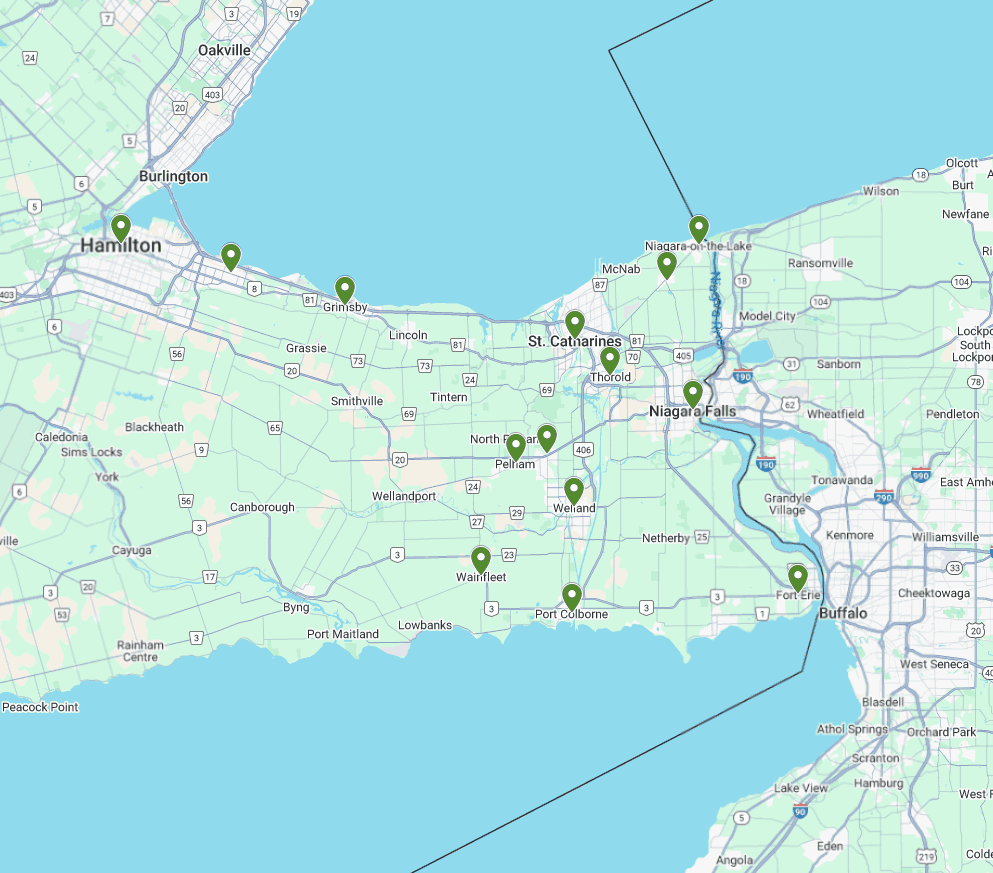
Service Areas
Our service areas encompass a wide range of locations, ensuring that we can meet the needs of our clients wherever they are. From bustling urban centers to serene rural landscapes, we are committed to providing top-notch services tailored to each unique environment.