



This Port Colborne furnace repair page describes comprehensive, diagnostic-focused service to restore heat quickly and safely. It identifies common issues - ignition and blower motor faults to thermostat miscommunications and safety sensor problems - and describes methodical fault finding, transparent estimates, and durable repairs. The content covers typical parts, repair timelines, warranties, preventative maintenance, and clear scheduling expectations, including emergency responsiveness during peak season. The aim is reliable, energy-efficient heating for homes, with professional technicians ensuring safety and long-term comfort throughout Ontario winters.
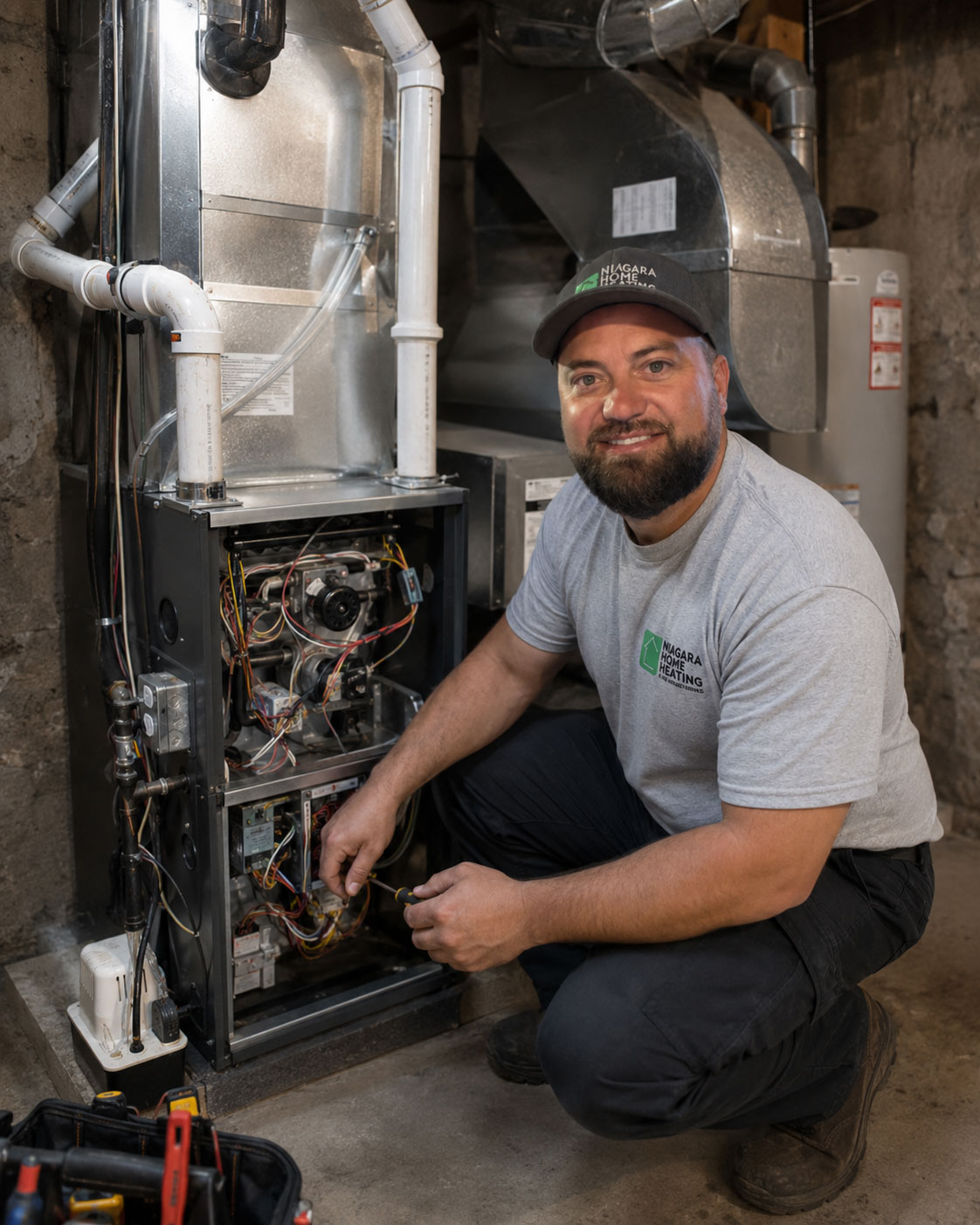
Furnace repair in Port Colborne, ON
Winter in Port Colborne puts real demands on home heating systems. When a furnace fails or runs inefficiently it can mean lost comfort, higher energy bills, and potential safety risks. Whether your furnace is making unusual noises, cycling on and off, or not producing steady heat, professional furnace repair in Port Colborne, ON addresses the faults quickly and correctly so your home stays safe and comfortable during cold snaps and extended lake-effect weather.
Common furnace problems in Port Colborne homes
Homeowners in Port Colborne see a predictable set of furnace issues, often intensified by seasonal use and local conditions like humid summers and cold, damp winters.
- Ignition and pilot failures
Faulty hot surface ignitors or intermittent pilot assembly problems cause no-heat calls. Corrosion and wear from frequent start/stop cycles are common causes. - Blower motor and fan problems
Weak airflow, grinding or squealing noises, and intermittent fan operation often point to failing blower motors, worn bearings, or dirty blower wheels. - Thermostat and control miscommunication
Inaccurate readings, short-cycling, or a system that won’t respond can be caused by thermostat faults, incorrect wiring, or failed control boards. - Control board and electrical faults
Burnt relays, corroded connectors, or damaged circuit boards cause unpredictable behavior and require careful diagnostics to identify. - Safety sensor and flame sensor issues
Dirty or failing sensors can shut a furnace down for safety, creating an intermittent no-heat condition that can be confusing without inspection. - Airflow restrictions and dirty components
Clogged filters, blocked vents, or restricted return ducts reduce efficiency and accelerate component wear. - Heat exchanger concerns and corrosion
Cracks, corrosion, or excessive rust—sometimes accelerated near waterfronts or in homes exposed to road salt—require immediate attention for safety and often influence repair options.
How we diagnose furnace problems
A reliable repair starts with methodical diagnostics rather than guesswork. Typical diagnostic steps include:
- Visual inspection for corrosion, leaks, and wiring issues
- Safety checks for carbon monoxide risk and proper venting
- Electrical testing of controls, transformers, and relays
- Ignition system testing (hot surface ignitor and gas valve operation)
- Blower and motor performance checks, including amperage and bearings
- Thermostat and control board communication tests
- Combustion analysis when required to confirm safe and efficient operation
Technicians document findings and identify root causes so repairs address the underlying problem rather than creating repeat visits.
Typical repairs and parts replaced
Repairs range from quick on-the-spot fixes to multi-step component replacements. Common parts replaced include:
- Hot surface ignitors and pilot assemblies
- Blower motors, belts, and blower wheels
- Thermostats (including upgrading to programmable models)
- Control boards, relays, and transformers
- Flame sensors and safety limit switches
- Gas valves and pressure regulators
- Filters, condensate traps, and venting components
Replacement parts are selected to match system requirements and local code expectations. Where relevant, technicians explain the difference between OEM and compatible parts to help you choose the best balance of reliability and value.
Repair timelines and transparency
Repair timelines depend on the issue severity and parts availability:
- Minor repairs and component swaps can often be completed within one service visit (30 minutes to a few hours).
- More involved jobs—control board replacement, motor swaps, or heat exchanger evaluations—may require parts ordering and take one to several days.
- Seasonal demand, specialty parts, and safety-focused inspections can lengthen scheduling or completion time.
Pricing transparency is an essential part of the process. Instead of surprise charges, homeowners receive a clear written estimate outlining required parts, labor expectations, and any alternatives (repair versus replacement). Estimates explain the reasons behind recommended work and the potential consequences of deferring repairs.
Warranties on parts and labor
Quality repair work is backed by warranties that protect both parts and labor. Warranties vary by component manufacturer and installer policies; technicians will explain:
- What parts are covered and for how long
- Whether labor on a replaced part is included and the term of that coverage
- Any registration or maintenance requirements to keep warranty protection valid
Proper documentation and receipts are provided so homeowners have a clear record of the work performed and warranty terms.
Preventative tips to avoid repeat failures
Regular maintenance reduces emergency repairs and extends furnace life—especially in Port Colborne where seasonal humidity and road salt can accelerate wear.
- Change or clean filters every 1–3 months during heavy-use periods.
- Schedule an annual heating tune-up before the cold season to clean burners, inspect heat exchangers, and test safety controls.
- Keep vents and returns clear of furniture and debris to maintain airflow.
- Protect external venting and exhaust terminations from buildup, ice, and corrosion.
- Consider a programmable thermostat to reduce cycling and wear.
- Address odd noises or cycling early—small symptoms often precede larger failures.
Following a simple seasonal checklist helps prevent freeze-related issues and improves efficiency during Port Colborne’s cold months.
Scheduling and emergency service expectations
Furnace repair in Port Colborne typically offers priority response during the heating season. Many homeowners find that same-day or next-day visits are available for urgent no-heat situations, and technicians come prepared with commonly needed parts to complete repairs on the first visit when possible. For complex jobs that require ordered parts, clear timelines and written estimates explain next steps so there are no surprises.
Why timely furnace repair matters
Prompt, professional repair protects your family’s comfort and safety, reduces energy bills by restoring efficient operation, and prevents small issues from causing costly system replacements. Addressing furnace faults quickly is especially important in Port Colborne, where cold spells and local environmental factors can worsen mechanical and corrosion problems.
Professional furnace repair in Port Colborne, ON delivers thorough diagnostics, transparent estimates, and durable repairs—helping homes stay warm, safe, and energy-efficient all winter long.

Customer Testimonials

We had an amazing experience getting our new furnace installed with Niagara Home Heating. The owner was very helpful, their quote was more then competitive and the technician who installed the unit was professional and friendly. I would recommend their services.

I have used Niagara Home heating for multiple projects for over 16 years. John and his staff are absolutely the best. I tell all my friends and family about Niagara Home Heating because you won’t get any better service or pricing anywhere in Niagara. He has saved me thousands and thousands of dollars and has never let me down.
Very efficient company. I needed an old solar water heater removed from my roof. They were quick to book an appointment for the next day after I sent photos. They were very knowledgeable of the issue. The 2 guys that came were friendly and competent with the job, including removal of all parts.
Lifesavers!! The AC in our house decided to quit the day we were passing the keys to the new owners!! Instead of making a service call to the house, John coached me through the minor repair over the phone, saving me the money and time waiting for a repair person to come.Much appreciated! Thanks again John
I called John today at 2:pm as my AC was not working and I wasn’t expecting even a call back as I knew with this hot weather we have had he would be swamped with calls. Well he called me back and showed at 8:pm on the same day to fix my AC. That is just incredible service and how much John really cares about his clients. Thank you John !
I had an issue with my hot water tank and called Niagara Home Heating. Their service was fantastic and reasonably priced—exactly how a business should be run!

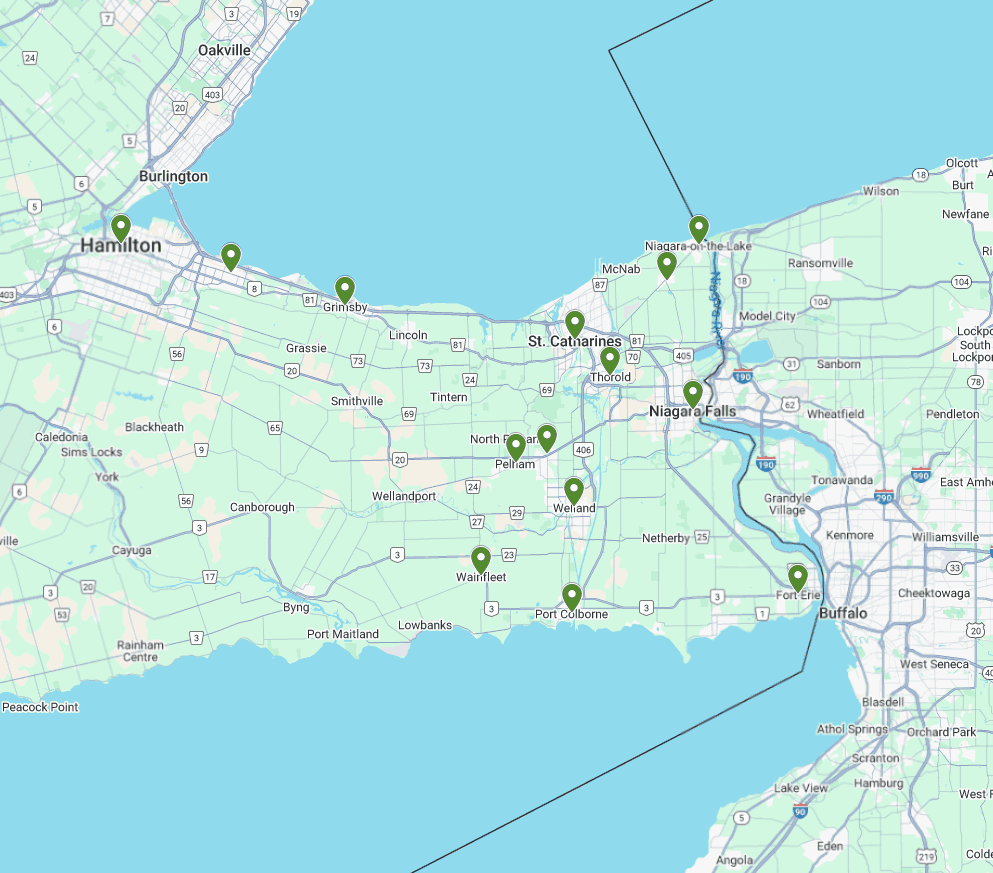
Service Areas
Our service areas encompass a wide range of locations, ensuring that we can meet the needs of our clients wherever they are. From bustling urban centers to serene rural landscapes, we are committed to providing top-notch services tailored to each unique environment.