



Port Colborne heating repair services provide rapid diagnostics and safe, reliable fixes for furnaces, boilers, and heat pumps during harsh winter conditions. A typical visit identifies no-heat symptoms, short-cycling, strange noises, and heat distribution issues, then prioritizes safety and efficiency. Technicians explain findings clearly, offer practical repair options, and compare repair versus replacement based on age, cost, and expected savings. Transparent pricing, warranties, and prompt emergency response help homeowners protect comfort, safety, and energy bills throughout the season.
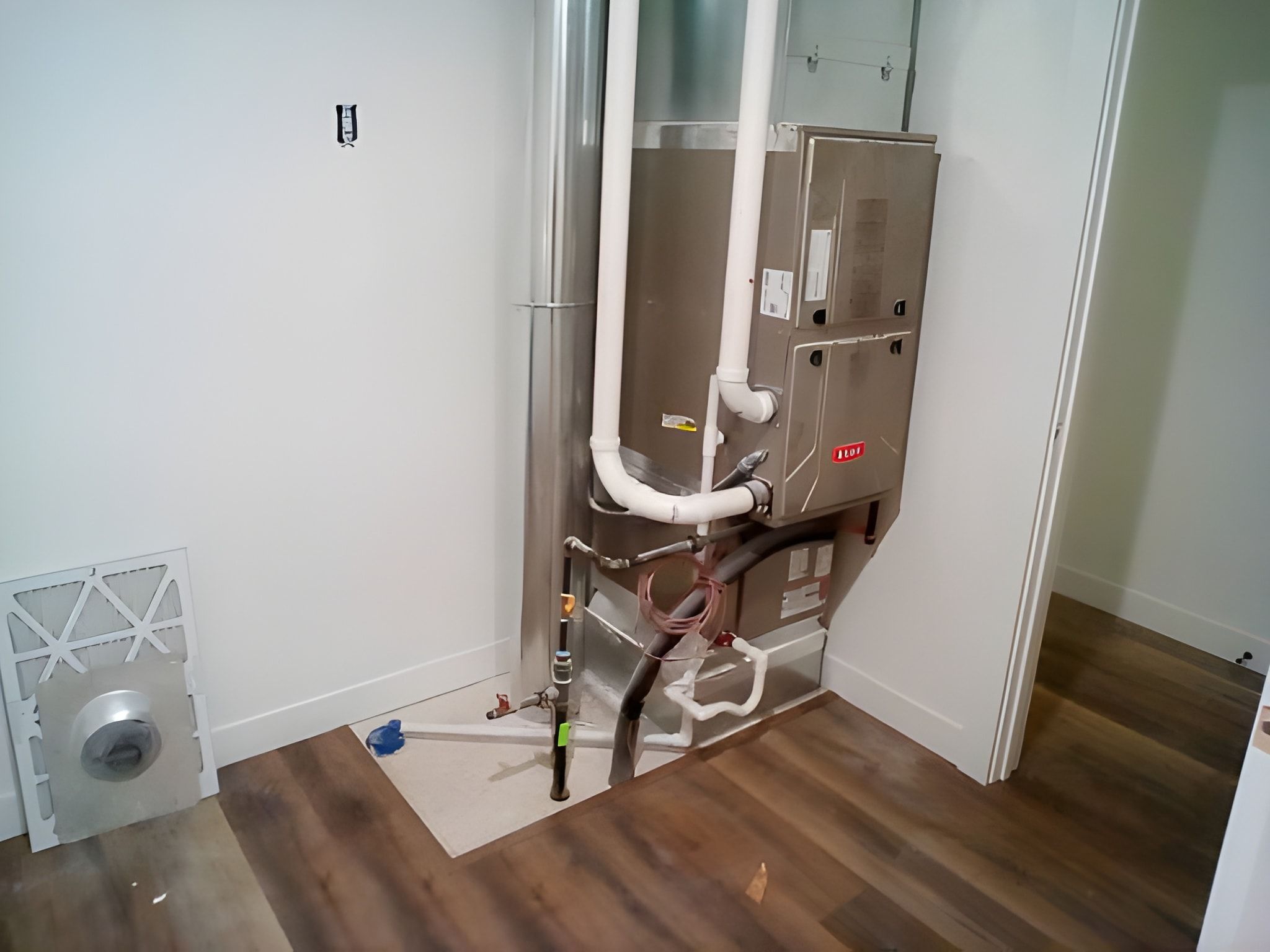
Heating repair in Port Colborne, ON
Keeping your home warm and safe through Port Colborne winters requires reliable heating repair for furnaces, boilers, and heat pumps. Whether your system is producing no heat, short-cycling, or making unusual noises, a fast, professional diagnostic and repair process protects comfort, prevents damage from freezing conditions near Lake Erie, and helps control energy costs. It describes common heating problems in Port Colborne, what a technician will inspect, typical repair procedures and parts replaced, emergency response and availability, transparent pricing and workmanship guarantees, and how to decide between repair and replacement.
Why heating repair matters in Port Colborne, ON
Port Colborne experiences cold winters with occasional lake effect snow and temperature swings that stress heating equipment. Older homes in the area may have aging furnaces or boiler systems that are more prone to failure. Prompt heating repair reduces the risk of frozen pipes, carbon monoxide exposure, and escalating energy bills. Proper diagnostics also extend equipment life and restore safe, efficient operation.
Common heating problems in Port Colborne homes
- No heat or intermittant heat output — system will not start or cycles with no warm air or hot water.
- Short-cycling — furnace or heat pump starts and stops frequently, wasting energy and increasing wear.
- Strange noises — banging, rattling, humming, or squealing coming from furnace, boiler, or outdoor heat pump.
- Poor heat distribution — uneven temperatures, cold rooms, or weak airflow.
- Pilot light or ignition failures — burners failing to ignite or repeatedly shutting off.
- Water leaks or pressure loss — common with hydronic boilers and hot water systems.
- Heat pump-specific issues — reduced heat in cold weather, frequent defrost cycles, or refrigerant leaks.
- Safety alerts — tripped limit switches, flame rollout, or carbon monoxide detector activation.
Technician inspection and troubleshooting process
A thorough diagnostic follows a standard sequence to find both immediate faults and root causes. Technicians explain findings in plain language and recommend the most practical solution.
Typical inspection steps:
- Visual and safety checks: carbon monoxide test, combustion inspection for gas appliances, and checking for leaks or signs of corrosion.
- Thermostat and control verification: confirm the thermostat is operating and communicating correctly.
- Electrical and component testing: check fuses, breakers, control boards, motors, capacitors, and wiring connections.
- Airflow and ductwork assessment: inspect filters, blower motors, vents, and ducts for blockages or leaks.
- Fuel and combustion checks: for furnaces and boilers, inspect igniters, flame sensors, burners, and gas pressure.
- Heat pump diagnostics: measure refrigerant pressures, check reversing valve and defrost cycle, and test compressor function.
- Hydronic system review: inspect pumps, expansion tanks, relief valves, and zone valves for leaks or failures.
- Performance measurement: confirm temperature rise across heat exchangers, test system cycling, and validate thermostat settings.
Typical repair procedures and common parts replaced
Repairs focus on restoring safe, reliable operation with long-lasting parts. Where possible, technicians repair rather than replace, but they will always prioritize safety.
Common repairs:
- Replacing or cleaning air filters, flame sensors, and igniters.
- Replacing faulty thermostats, control boards, relays, and limit switches.
- Motor and blower repairs or replacements for worn bearings or failed capacitors.
- Fixing or replacing gas valves, burners, and pilot assemblies.
- Sealing or repairing ductwork and replacing clogged condensate drains.
- Boiler repairs: replacing circulator pumps, pressure relief valves, zone valves, or addressing leaks in pipes and fittings.
- Heat pump repairs: repairing refrigerant leaks and recharging, replacing contactors, capacitors, reversing valves, or compressors if needed.
- Addressing combustion or heat exchanger issues, including replacement when cracks or corrosion compromise safety.
Technicians clean work areas, test restored systems, and explain any follow-up maintenance recommended to prevent recurrence.
Emergency response and availability
No heat during a Port Colborne cold snap poses immediate risk. Emergency heating repair includes priority diagnostics for loss of heat, any carbon monoxide alarm activation, and significant leaks that risk property damage. Emergency teams focus on safe temporary measures if a permanent repair cannot be completed immediately, such as safe shutdown, temporary heat solutions, or isolating a leaking component until parts are available.
Transparent pricing and workmanship guarantees
Honest, transparent pricing is central to good heating repair. Expect clear explanations of diagnostic fees, parts required, labor estimates, and whether the job will be billed as flat-rate or time-and-materials. Reputable service providers will detail warranty coverage on parts and workmanship and provide documentation of any guarantees. For larger repairs, technicians will present repair versus replacement comparisons, including estimated remaining life and efficiency impacts.
When to repair versus when to replace
Consider these factors when deciding whether to repair or replace heating equipment:
Repair is usually recommended when:
- The problem is isolated and cost of repair is modest relative to the appliance value.
- The system is under 10 to 12 years old and otherwise in good condition.
- The repair restores safety and reliable operation without compromising efficiency.
Replacement should be considered when:
- The system is approaching or beyond typical service life (furnaces and boilers often 15 to 20 years, older heat pumps 10 to 15 years).
- Repairs are frequent or cumulative repair costs approach 50 percent or more of replacement cost.
- The unit has a cracked heat exchanger, major combustion issues, or refrigerant compressor failure in a heat pump where replacement yields better efficiency.
- You want to reduce energy bills significantly or upgrade to a more reliable, higher efficiency system suited for Port Colborne climate, including cold-climate heat pumps or hybrid systems.
Technicians will provide clear, localised comparisons showing expected savings, efficiency gains, and payback time if replacement is recommended.
Maintenance advice to avoid future repairs
Regular maintenance is the best defense against unexpected breakdowns:
- Schedule annual inspections and tune ups for furnaces, boilers, or heat pumps before winter.
- Replace filters every 3 months or as recommended by the manufacturer.
- Keep outdoor heat pump units clear of snow, ice, and debris during winter.
- Bleed radiators and check boiler pressure periodically.
- Test carbon monoxide detectors and ensure vents and flues are clear.
- Seal and insulate ducts to prevent heat loss and improve comfort in older Port Colborne homes.
Well-diagnosed, timely heating repair restores comfort, safety, and efficiency. In Port Colborne, where winter conditions can be harsh and variable, professional service tailored to local needs protects your home and keeps systems running reliably through the season.

Customer Testimonials

We had an amazing experience getting our new furnace installed with Niagara Home Heating. The owner was very helpful, their quote was more then competitive and the technician who installed the unit was professional and friendly. I would recommend their services.

I called John today at 2:pm as my AC was not working and I wasn’t expecting even a call back as I knew with this hot weather we have had he would be swamped with calls. Well he called me back and showed at 8:pm on the same day to fix my AC. That is just incredible service and how much John really cares about his clients. Thank you John !
Lifesavers!! The AC in our house decided to quit the day we were passing the keys to the new owners!! Instead of making a service call to the house, John coached me through the minor repair over the phone, saving me the money and time waiting for a repair person to come.Much appreciated! Thanks again John
Very efficient company. I needed an old solar water heater removed from my roof. They were quick to book an appointment for the next day after I sent photos. They were very knowledgeable of the issue. The 2 guys that came were friendly and competent with the job, including removal of all parts.
I had an issue with my hot water tank and called Niagara Home Heating. Their service was fantastic and reasonably priced—exactly how a business should be run!
I have used Niagara Home heating for multiple projects for over 16 years. John and his staff are absolutely the best. I tell all my friends and family about Niagara Home Heating because you won’t get any better service or pricing anywhere in Niagara. He has saved me thousands and thousands of dollars and has never let me down.

Service Areas
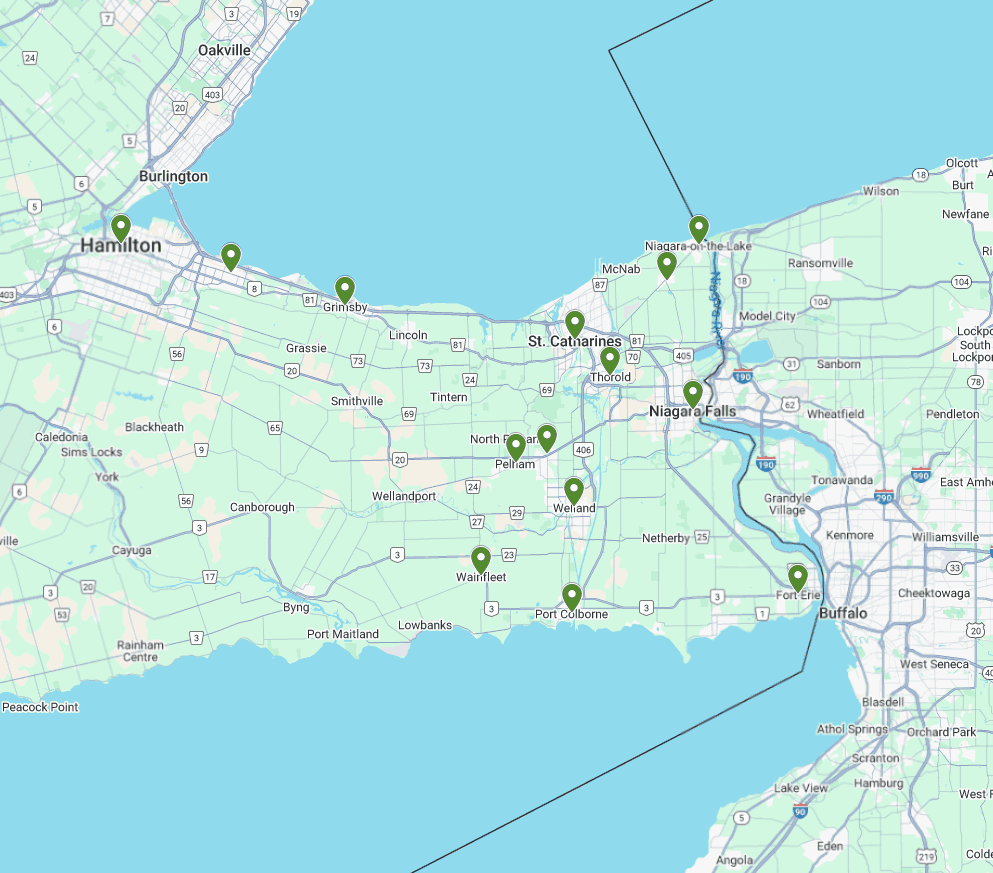
Our service areas encompass a wide range of locations, ensuring that we can meet the needs of our clients wherever they are. From bustling urban centers to serene rural landscapes, we are committed to providing top-notch services tailored to each unique environment.