



Furnace installation in Port Colborne, ON describes a comprehensive, step-by-step process to deliver safe, efficient heating for local winters. It covers site assessment, correct equipment sizing, ductwork and venting requirements, and safety testing, with emphasis on permits, warranties, and commissioning. The guide describes installation steps, from prep to system integration, and highlights homeowner walkthroughs and ongoing maintenance. Financing and rebates options are discussed to help homeowners access high-efficiency equipment and long-term cost savings. Reliable service and proper documentation ensure peace of mind.
-min.jpeg)
furnace installation in Port Colborne, ON
A correctly sized, installed and commissioned furnace is essential for reliable, efficient heating through Port Colborne winters. Whether you are building new construction or replacing an old system, professional furnace installation in Port Colborne, ON ensures safe combustion, proper venting, balanced airflow, and long-term energy savings. This page explains what to expect from a full-service installation: site assessment, equipment selection, ductwork and venting requirements, installation and safety testing, permit handling, warranty details, commissioning and homeowner walkthrough, plus financing and rebate options relevant to homeowners in Port Colborne.
Why professional furnace installation matters in Port Colborne, ON
Port Colborne experiences cold winters with wind and lake effect that can increase heating load. Incorrect sizing, undersized or leaky ductwork, or poor venting can cause short cycling, higher fuel bills, uneven heat and premature equipment failure. Professional installation addresses local climate factors, home insulation levels, and ventilation needs so your new furnace performs reliably when temperatures drop.
Common furnace installation types and issues in Port Colborne, ON
- New construction furnace installation: coordinating with builders, integrating with mechanical rooms, routing ductwork and venting during framing.
- Replacement installation for existing homes: removing old equipment, evaluating ductwork condition, upgrading venting if switching to high-efficiency models.
- Conversion installations: switching fuel types (natural gas to propane, or vice versa) or moving from furnace to heat pump hybrid systems.
- Common problems encountered: oversized or undersized furnaces, unsealed/undersized ducts, improper flue or chimney connections, inadequate combustion air, and missing permits or inspections.
Site assessment and equipment selection
A thorough site assessment starts with a heat loss and gain calculation (Manual J-style approach). This determines the correct furnace capacity to avoid short cycling or insufficient heat. Key factors considered:
- Home size, layout and orientation
- Insulation levels, windows and air leakage
- Local climate loads including lake effect wind and humidity
- Existing ductwork design and condition
- Fuel type availability and utility costs
Equipment selection covers:
- Efficiency ratings: AFUE percentages indicate seasonal fuel efficiency. In Port Colborne, upgrading to a higher AFUE can significantly reduce gas use over colder months. Consider condensing furnaces (higher AFUE) for best efficiency, noting they require condensate drains and stainless venting where applicable.
- Brand and model options: reputable manufacturers and models that match your budget and performance needs. Choose units with proven reliability, accessible service parts, and appropriate warranty coverage.
- Features: variable-speed blowers, modulating gas valves, two-stage operation, and compatible smart thermostats for comfort and efficiency gains.
Ductwork and venting requirements
Proper ductwork and venting are as important as the furnace itself:
- Duct evaluation: Inspect for leaks, poor insulation, undersized runs, and restricted returns. Sealing duct joints with mastic or approved tape and adding insulation can recover lost heat.
- Sizing and balancing: Correctly sized ducts and supply/return balance prevent hot/cold spots and reduce blower runtime.
- Venting and combustion air: Natural draft or direct venting must meet code for safe flue gas discharge. High-efficiency condensing furnaces require PVC venting and a condensate management plan. Adequate combustion air must be provided, especially in tightly sealed homes.
- Chimneys and flue liners: For conversions or older homes, flue liner condition must be checked and upgraded if necessary to safely remove combustion products.
Installation steps and safety testing
Professional installations follow a structured process to ensure safety and code compliance:
- Combustion analysis and CO testing to verify safe burner operation
- Gas line pressure and leak tests
- Flue draft checks and vent integrity testing
- Electrical checks and thermostat calibration
- Airflow measurement and temperature rise verificationThese tests confirm the furnace operates within manufacturer specifications and meets local code requirements.
Permit handling, inspections and documentation
Installations in Port Colborne require adherence to Ontario building codes and often municipal permits and inspections. Professional installers typically prepare permit applications, schedule inspections, and ensure work passes final sign-off. Proper documentation includes equipment manuals, warranty registration instructions, test results, and an invoice detailing installed components for homeowner records.
Warranty details and long-term protection
Warranties are two-part:
- Manufacturer warranty: covers parts (and sometimes labour for a limited period). Register the equipment promptly to validate full coverage.
- Installer warranty: covers workmanship and local service repairs for a specified time. Read terms carefully about required maintenance to keep warranties valid.Regular maintenance, such as annual tune-ups and filter changes, preserves efficiency and often is a condition of extended warranties.
Post-install commissioning and homeowner walkthrough
A professional installation concludes with commissioning and a walkthrough:
- Commissioning includes final system checks, verifying airflow, thermostat settings, safety shutdowns and combustion results.
- Homeowner walkthrough covers how to operate the thermostat, change filters, recognize safety alerts, and understand warranty and maintenance schedules.This step ensures homeowners in Port Colborne are comfortable with their new system and know simple actions to maintain performance.
Financing and rebates
Upgrading to a high-efficiency furnace can be supported by financing options and rebates. There are often manufacturer incentives, utility or provincial programs, and federal energy-efficiency incentives available intermittently. Homeowners should verify current programs and eligibility; installer-provided guidance and documentation can help with rebate applications and financing paperwork.
Maintenance tips and long-term benefits
- Schedule annual service to maintain efficiency and safety.
- Replace or clean filters regularly to preserve airflow and indoor air quality.
- Ensure vents and returns are unobstructed and ductwork remains sealed and insulated.Well-installed furnaces deliver safer operation, improved comfort, lower fuel bills, and extended equipment life—especially important in Port Colborne where winters demand dependable heating performance.
This overview of furnace installation in Port Colborne, ON outlines the evaluation, choices, and procedures that lead to a safe, efficient heating system tailored for local climate and home needs. Proper planning, skilled installation, and ongoing maintenance are the keys to reliable winter comfort.

Customer Testimonials

We had an amazing experience getting our new furnace installed with Niagara Home Heating. The owner was very helpful, their quote was more then competitive and the technician who installed the unit was professional and friendly. I would recommend their services.

I have used Niagara Home heating for multiple projects for over 16 years. John and his staff are absolutely the best. I tell all my friends and family about Niagara Home Heating because you won’t get any better service or pricing anywhere in Niagara. He has saved me thousands and thousands of dollars and has never let me down.
Very efficient company. I needed an old solar water heater removed from my roof. They were quick to book an appointment for the next day after I sent photos. They were very knowledgeable of the issue. The 2 guys that came were friendly and competent with the job, including removal of all parts.
I called John today at 2:pm as my AC was not working and I wasn’t expecting even a call back as I knew with this hot weather we have had he would be swamped with calls. Well he called me back and showed at 8:pm on the same day to fix my AC. That is just incredible service and how much John really cares about his clients. Thank you John !
I had an issue with my hot water tank and called Niagara Home Heating. Their service was fantastic and reasonably priced—exactly how a business should be run!
Lifesavers!! The AC in our house decided to quit the day we were passing the keys to the new owners!! Instead of making a service call to the house, John coached me through the minor repair over the phone, saving me the money and time waiting for a repair person to come.Much appreciated! Thanks again John

Service Areas
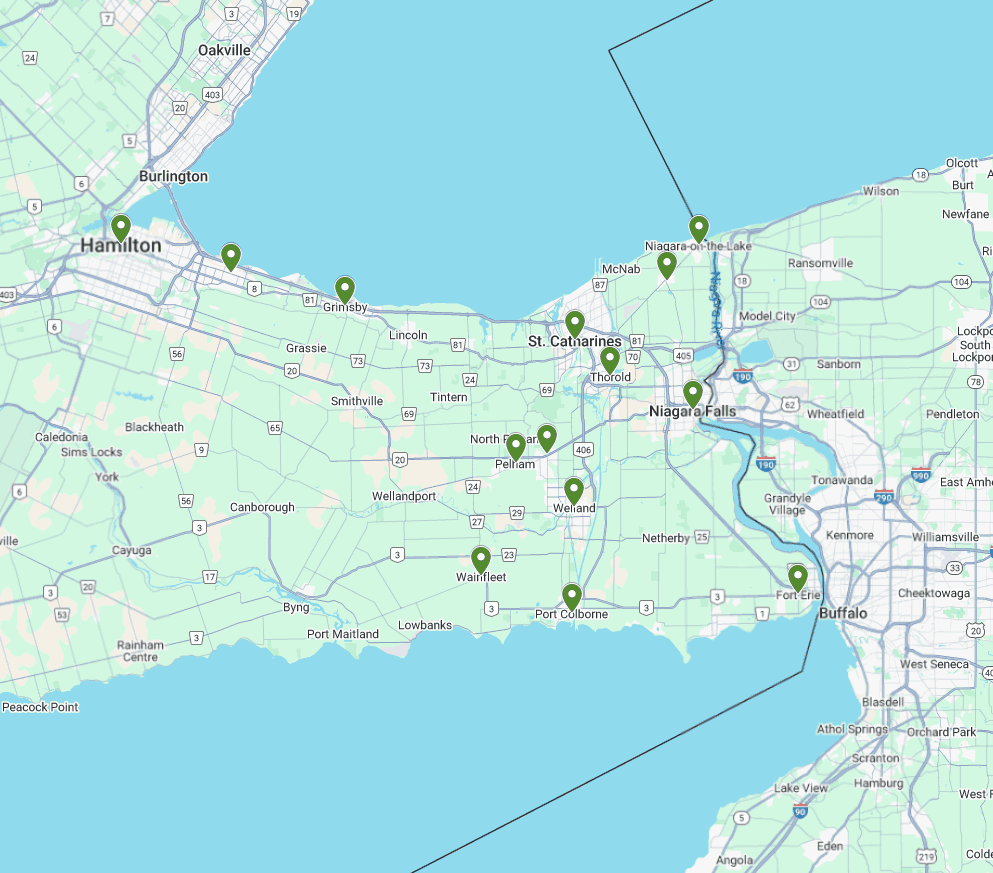
Our service areas encompass a wide range of locations, ensuring that we can meet the needs of our clients wherever they are. From bustling urban centers to serene rural landscapes, we are committed to providing top-notch services tailored to each unique environment.