



Gas Fireplace in Niagara Falls, ON
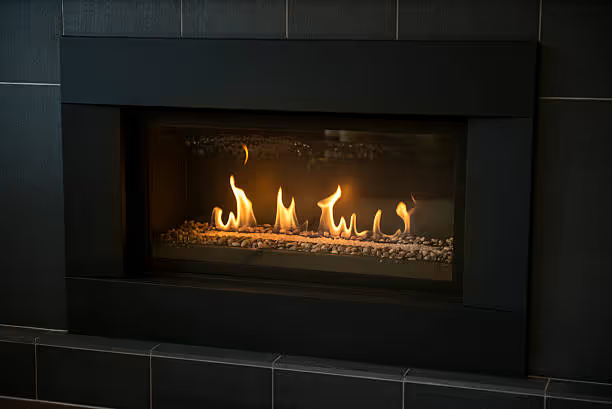
A gas fireplace can transform comfort, convenience, and curb appeal in Niagara Falls homes while providing efficient zone heating through cold Ontario winters. Niagara Home Heating brings experienced, local HVAC and gas appliance expertise to gas fireplace installation, service, repairs, safety inspections, conversions, and smart control integration.
Why choose a gas fireplace for Niagara Falls homes
Niagara Falls experiences long, cold winters with frequent lake effect snow and damp conditions that can stress older masonry chimneys and cause heat loss in drafty houses. A gas fireplace offers:
- Reliable, on-demand heat without the chores of wood fuel.
- Cleaner combustion and fewer particulates compared with wood, improving indoor air quality in tight, well-insulated homes.
- Precise temperature control when integrated with a thermostat or remote, helping reduce energy waste and lower utility bills.
- Aesthetic flexibility for historic Niagara Falls homes and modern renovations alike, from traditional log sets to linear glass-front designs.
Local factors matter. Humidity and freeze-thaw cycles common in the Niagara region affect chimney liners and exterior venting. Proper venting design, weatherproofing, and seasonal maintenance are critical for safety and long performance life in this climate.
Common gas fireplace services we provide in Niagara Falls
Niagara Home Heating delivers full-service support across the life cycle of a gas fireplace. Key services include:
- New gas fireplace installation and sizing for new builds and renovations.
- Fireplace inserts to convert inefficient wood-burning fireplaces to gas.
- Conversion services from natural gas to propane and vice versa, when applicable.
- Routine safety inspections, combustion and CO checks, and venting verification.
- Repairs for ignition, pilot, gas valve, control board, or venting failures.
- Remote control and smart thermostat integration for zoning and convenience.
- Warranty registration support and tailored maintenance plans to protect equipment.
Each service is adapted to the needs of Niagara Falls homes, including older masonry chimneys, multi-level layouts, and homes near high humidity or waterfront conditions.
Installation options and how we select the right system
Choosing the right gas fireplace for your home depends on room size, venting options, layout, and aesthetic goals. Niagara Home Heating evaluates those factors and presents options such as:
- Direct vent fireplaces: Sealed combustion takes air from outside and vents combustion products directly outdoors. Ideal for energy-efficient homes and homes without existing chimneys.
- B vent (natural vent) fireplaces: Use indoor air for combustion and vent vertically through an existing chimney. Suitable for some retrofit situations but less efficient than direct vent.
- Vent-free fireplaces: Highly efficient heat output since no heat exits through a flue, but legal and practical restrictions apply in Ontario and in many municipalities. Selection depends on local code and home ventilation.
- Fireplace inserts: Fit into an existing masonry fireplace to convert to gas while improving efficiency and reducing drafts.
- Built-in linear fireplaces and zero-clearance models: Considered for modern renovations, they require specific framing and finishing details.
Sizing and placement: Proper sizing prevents overheating or under-serving the living space. We calculate required BTUs based on room volume, insulation levels, ceiling height, and nearby open floor plans. For multi-room heat distribution, we explain zoning options and how a fireplace can complement existing heating systems rather than replace them.
Venting considerations in Niagara Falls: Choosing the right venting route is essential to avoid moisture infiltration and to handle freeze-thaw conditions. We evaluate exterior wall placement, roof penetrations, and chimney condition so vents are routed for maximum safety and minimum draft issues.
Aesthetic choices and customizing to fit your home
A gas fireplace is as much a design element as a heating device. Niagara Home Heating helps you choose features that match your home and lifestyle:
- Front options: Glass-fronted, ceramic glass, traditional open-front. Glass-fronted models deliver higher efficiency and are safer for homes with children.
- Media options: Realistic ceramic logs, river rock, crushed glass, decorative ember beds, or custom architectural surrounds.
- Surround materials: Stone, tile, mantel options that match traditional Niagara Falls heritage homes or modern condos.
- Linear or corner installations: Create focal points on long walls or efficiently fit into limited spaces.
- Trim and finishing choices: Low-profile trims or flush finishes for contemporary looks.
We also advise on clearances to combustibles, hearth depth, and finishing details to meet local code and maintain warranty coverage.
Safety inspections, venting checks, and compliance
Safety is non-negotiable with gas appliances. In Niagara Falls, seasonal weather and older masonry chimneys can introduce unique risks. Our safety inspections include:
- Visual inspection of the combustion chamber, burner, pilot assembly, and seals.
- Venting and termination checks for blockages, condensate buildup, or corrosion.
- Combustion analysis to verify proper fuel-air ratio and to detect incomplete combustion.
- Carbon monoxide and gas leak detection with calibrated instruments.
- Inspection of flexible connectors, gas shutoff valves, and sediment traps.
- Verification of clearances, glass integrity, and safety switches.
We document inspection findings and recommend corrective action when needed. For homes with existing chimneys, we inspect flue liners, mortar joints, and flashing to ensure the venting path is safe and weatherproof.
Diagnostics and repair: how problems are identified and resolved
When a gas fireplace malfunctions, accurate diagnosis avoids unnecessary parts replacement and reduces downtime. Typical issues seen in Niagara Falls include:
- Hard or intermittent ignition: Often caused by faulty ignitors, dirty pilot assemblies, or weak thermocouples.
- Pilot light outages: Could be due to thermopile/thermocouple failure, clogged pilot orifice, or gas pressure issues.
- Uneven flame pattern or soot: Sign of improper gas pressure, blocked burners, or inadequate combustion air.
- Excessive soot or odor: May indicate incomplete combustion or improper venting; requires immediate inspection.
- Remote or control failures: Faulty receiver modules, remote batteries, or wiring issues.
- Glass fogging or crack: Can be due to condensation, overfiring, or thermal shock; glass issues impact safety and need replacement with certified parts.
- Venting blockages: Bird nests, debris, ice, or corrosion can restrict exhaust and create dangerous conditions.
Our diagnostic process follows a structured approach:
- Visual inspection and history taking to understand symptoms and recent events.
- Instrumented combustion and CO measurements to verify safe operation.
- Gas pressure measurement and leak checks at the appliance connection.
- Component testing for ignition systems, thermocouples, and control boards.
- Venting inspection from both termination points and, when applicable, chimney camera inspection.
Repairs prioritize safety and longevity. We only use certified replacement parts and follow manufacturer procedures so warranties remain valid.
Conversion and upgrade possibilities for Niagara Falls homes
Many homeowners in Niagara Falls want to upgrade a wood-burning fireplace to gas, convert between fuel types, or add modern controls. Options include:
- Wood-to-gas conversions with a direct vent insert: Improves efficiency and reduces maintenance compared with open woodburning.
- Natural gas to propane conversions: Performed when fuel supply changes or for rural properties without natural gas service. Conversion kits and pressure adjustments are required.
- Upgrading older gas units: Replace inefficient or unsafe components like millivolt systems, replace glass doors, or move to sealed combustion direct vent units.
- Smart controls and thermostat integration: Add programmable thermostats, wall controls, or app-based remotes for convenience and energy savings.
- Power vent or forced venting solutions for problematic draft situations.
Upgrades are evaluated against existing infrastructure, code requirements, and long-term serviceability in a humid, cold climate.
Warranty, maintenance plans, and long term value
A gas fireplace is a long-term investment. Niagara Home Heating supports that investment with:
- Manufacturer warranty registration assistance and explanation of coverage limits.
- Tailored maintenance plans that include seasonal inspections, cleaning, burner service, and safety checks.
- Documentation of service history to maintain warranty eligibility and to help future resale value.
- Recommendations for protective measures in Niagara Falls climate such as weatherproof vent terminations, chimney liners, and exterior flashing inspections.
Regular maintenance extends equipment life, improves fuel efficiency, reduces the risk of soot and carbon monoxide, and keeps aesthetics pristine.
Energy efficiency, indoor air quality, and comfort benefits
Gas fireplaces offer measurable benefits beyond ambiance:
- Zone heating: Heat living spaces without running the whole furnace, saving energy when used strategically.
- High efficiency models: Direct vent and sealed combustion units reduce heat loss to the outdoors compared with open fireplaces.
- Reduced particulate output: Gas combustion produces fewer particulates than wood, improving indoor air quality in well-sealed homes.
- Quick, consistent heat: On-demand heat with thermostatic control provides comfort during cold snaps typical of Niagara Falls winters.
We help homeowners weigh operational costs, expected savings, and the interplay with existing home HVAC systems to arrive at the best overall solution.
Seasonal maintenance checklist specific to Niagara Falls
To maximize safety and performance in Niagara Falls, follow a seasonal routine:
- Annual safety inspection before winter to check ignition, burners, and venting.
- Clean the burner and pilot assembly to prevent soot and ignition issues.
- Inspect glass for cracks and seals for integrity after freeze-thaw cycles.
- Check exterior vent terminations for ice buildup, nests, or debris after spring and fall.
- Test carbon monoxide detectors monthly and replace batteries annually.
- Ensure remote controls and batteries are fresh, and that wall thermostats are properly calibrated.
Document all service for warranty support and future resale.
Frequently asked questions
Q: What is the difference between direct vent and vent-free gas fireplaces?
A: Direct vent fireplaces draw combustion air from outside and exhaust to the outside through a sealed system, making them more energy efficient and safer for tight homes. Vent-free models release combustion products into the room and are not allowed or recommended in some jurisdictions due to indoor air quality concerns. Local code, home ventilation, and personal priorities determine the suitable option.
Q: Can my old masonry fireplace be converted to a gas fireplace?
A: Yes. A common approach is installing a gas fireplace insert designed to fit into an existing firebox. The insert improves efficiency, reduces drafts, and retains the visual appeal. We assess chimney condition, flue liner status, and clearances before recommending the right insert and venting strategy.
Q: How do I know what size gas fireplace I need?
A: Proper sizing is based on room volume, insulation levels, ceiling height, and whether the fireplace will heat an open plan area or a single room. We calculate required BTUs and recommend a model that provides comfortable heat without overheating the space.
Q: Are gas fireplaces safe to use in homes with pets and children?
A: Gas fireplaces can be safe with appropriate safeguards. Glass-front units are safer than open-front models. We also advise on protective screens, clearances, and child-safe remote control placement. Regular maintenance and carbon monoxide monitoring are essential.
Q: How often should a gas fireplace be inspected?
A: An annual professional inspection and cleaning is recommended, with additional checks if you notice soot, odor, ignition troubles, or if the appliance has prolonged shutdowns through summer.
Q: Can I integrate a gas fireplace with my smart home system or thermostat?
A: Many modern gas fireplaces support remote controls, programmable thermostats, and smart home integration using compatible modules. Integration depends on model compatibility and electrical requirements. We evaluate options to integrate safely and maintain manufacturer warranty.
Q: What are common signs that my gas fireplace needs repair?
A: Look for ignition difficulties, unusual noises, soot buildup, yellow or lazy flames, persistent odors, pilot outages, or increased carbon monoxide readings. Any of these signs warrant immediate inspection.
Q: Do gas fireplaces require chimney liners if using an existing chimney?
A: Yes. When using an existing masonry chimney, a properly sized liner is often required to ensure safe and efficient venting for gas appliances. Liners also protect masonry from condensation and corrosive byproducts.
Q: Will installing a gas fireplace increase my insurance premiums?
A: Insurance implications vary by provider. Proper installation to code, certified inspections, and using a glass-front appliance with safety features often reassure insurers. Keep records of professional installation and annual maintenance to document safety measures.
Q: What should I do if my carbon monoxide alarm goes off after using the fireplace?
A: Immediately turn off the fireplace and any gas supply, ventilate the home, and evacuate occupants until the cause is diagnosed. Have a qualified technician perform a combustion and venting inspection before using the appliance again.
Types of gas fireplaces and which suits your home
Understanding the main types helps you pick the right solution:
- Direct vent (sealed combustion): Draws outdoor air for combustion and vents directly outside. Best for energy efficiency and indoor air quality, ideal for most Niagara homes.
- B vent (natural draft): Vents through a chimney using indoor combustion air. Common in conversions of existing masonry fireplaces but requires a sound chimney system.
- Vent-free (ventless): No external vent; more heat delivered to the room but limited or restricted in some jurisdictions due to indoor air quality concerns. Often not recommended in tightly sealed modern homes.
- Gas inserts: Fit into an existing masonry fireplace to improve efficiency and control without major structural changes.
Installation process explained
A professional installation follows structured steps to ensure performance and compliance:
- Site assessment: Evaluate room size, existing chimney or wall access, clearances, and desired aesthetic. In Niagara Falls, assessment includes checking for moisture concerns and draft patterns from lake winds.
- Heat load and sizing: Match fireplace BTU output to the room and house layout; oversized units can cause overheating and inefficiency while undersized units won’t meet comfort goals.
- Venting plan: Choose appropriate vent type (direct vent, B vent) and route; ensure termination points meet code clearances and will not be blocked by snow accumulation.
- Gas line sizing and connection: Proper pipe sizing and pressure testing is required; work must be done by a certified gas fitter in Ontario.
- Sealing and finishing: Firebox sealing, surround installation, and finishing details like mantels and hearths while keeping required clearances.
- Commissioning and safety checks: Test burners, valves, ignition, carbon monoxide levels, and blower operation. Verify manufacturer specs and municipal requirements.
Venting and safety requirements
Safety is paramount with gas appliances. Key considerations:
- Combustion and venting type must be appropriate for your home and approved by local authorities. Direct vent systems are preferred for sealed combustion.
- Clearances: Mantels, framing, and combustibles must meet manufacturer-specified distances.
- Carbon monoxide (CO) protection: Install and maintain CO detectors on every level; be aware of symptoms of CO exposure.
- Annual inspections: Check for blockages, corrosion, or spillage at termination points—especially important after winter storms and during thaw cycles common to the Niagara area.
- Certified installation: In Ontario, installations must conform to the Ontario Building Code and be performed or inspected by a licensed gas technician and, where applicable, reported to the Technical Standards and Safety Authority.
Troubleshooting common issues
Simple problems often have straightforward remedies, but any suspicion of gas leaks or CO risk requires professional attention.
- Pilot or ignition not lighting: Could be a faulty igniter, thermocouple, or blocked pilot orifice. Clean and test components.
- Yellow flame or soot: Indicates incomplete combustion or dirty burners; do not run until inspected.
- Smell of gas: Evacuate, ventilate, and contact a certified gas technician immediately.
- Blower runs noisy or not at all: Dust buildup, failing motor, or loose mounting; regular cleaning prevents many blower issues.
- Remote or thermostat control issues: Replace batteries, re-sync controls, or check wiring on thermostatic models.
Maintenance checklist for longevity and efficiency
Regular servicing extends life and keeps units safe and efficient. A recommended annual checklist:
- Clean and inspect burner, pilot, and ignition components
- Remove dust and debris from blower and interior surfaces
- Inspect venting, termination caps, and chimney (for B vent or inserts)
- Test gas pressure and valve operation
- Check for soot, corrosion, or moisture intrusion
- Verify seals and glass panel condition
- Test CO and smoke detection systems
Permits, codes, and paperwork
Permits and inspections vary by municipality. In the Niagara Region, installations typically require:
- A building permit or inspection report depending on scope
- Notification or certification by a licensed gas fitter
- Adherence to the Ontario Building Code and TSSA regulations where applicable
Keeping permits and installation records helps with resale, insurance, and future maintenance.
Choosing the right unit for heating and ambiance
When selecting a gas fireplace consider:
- Purpose: primary heat, supplemental zone heating, or visual ambiance
- Room size and layout: determine BTU needs and airflow
- Venting constraints: direct vent preferred, but existing chimneys may favor inserts
- Controls: thermostats, remote, Wi-Fi integration, or manual valves
- Style: realistic log sets, glass media, linear modern designs, or traditional fronts
- Efficiency and maintenance: sealed combustion units with easy access panels reduce service frequency
For Niagara Falls homes, prioritize units that handle cold, wet winters with robust venting and reliable ignition. Converting old masonry fireplaces to a direct vent insert is a common upgrade to gain efficiency and reduce drafts.
Long-term benefits
A properly installed and maintained gas fireplace delivers:
- Consistent, controllable heat that can reduce central heating use
- Clean, low-maintenance operation compared to wood
- Immediate ambiance without smoke or ash
- Increased home value when installed to code and with professional documentation
Responsible ownership means routine servicing, proper venting, and following local codes. With the right unit and annual maintenance, a gas fireplace offers years of efficient heat and enjoyment suited to Niagara Falls weather and home styles.

Customer Testimonials

We had an amazing experience getting our new furnace installed with Niagara Home Heating. The owner was very helpful, their quote was more then competitive and the technician who installed the unit was professional and friendly. I would recommend their services.

I had an issue with my hot water tank and called Niagara Home Heating. Their service was fantastic and reasonably priced—exactly how a business should be run!
Very efficient company. I needed an old solar water heater removed from my roof. They were quick to book an appointment for the next day after I sent photos. They were very knowledgeable of the issue. The 2 guys that came were friendly and competent with the job, including removal of all parts.
Lifesavers!! The AC in our house decided to quit the day we were passing the keys to the new owners!! Instead of making a service call to the house, John coached me through the minor repair over the phone, saving me the money and time waiting for a repair person to come.Much appreciated! Thanks again John
I have used Niagara Home heating for multiple projects for over 16 years. John and his staff are absolutely the best. I tell all my friends and family about Niagara Home Heating because you won’t get any better service or pricing anywhere in Niagara. He has saved me thousands and thousands of dollars and has never let me down.
I called John today at 2:pm as my AC was not working and I wasn’t expecting even a call back as I knew with this hot weather we have had he would be swamped with calls. Well he called me back and showed at 8:pm on the same day to fix my AC. That is just incredible service and how much John really cares about his clients. Thank you John !

Service Areas
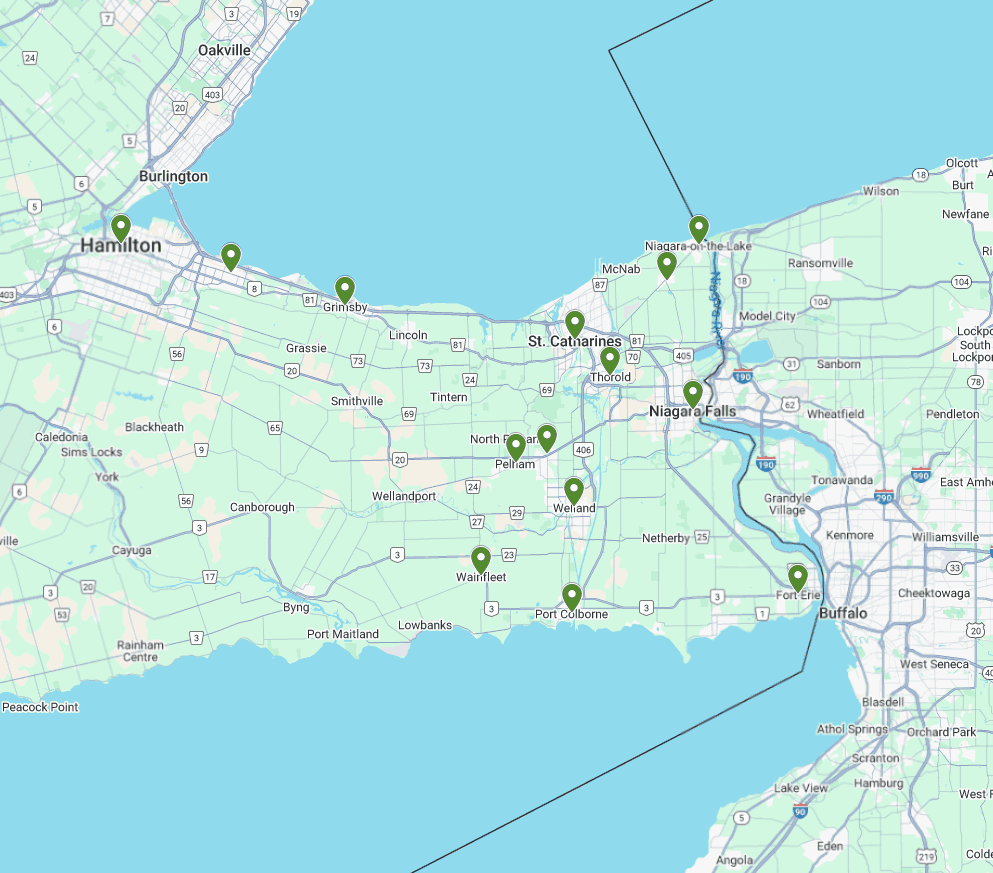
Our service areas encompass a wide range of locations, ensuring that we can meet the needs of our clients wherever they are. From bustling urban centers to serene rural landscapes, we are committed to providing top-notch services tailored to each unique environment.