



IAQ in Niagara Falls, ON
Indoor air quality in Niagara Falls, ON has a direct impact on comfort, health, and building performance. Niagara Home Heating brings experienced indoor air quality (IAQ) services for homes and businesses across the Niagara Region, focused on identifying the root causes of poor air and implementing durable, code compliant solutions. Whether your priority is healthier air for allergy and asthma sufferers, reducing odors and VOCs, or improving ventilation and humidity control for long term building preservation, a tailored IAQ plan protects occupants and extends the life of HVAC equipment.
.avif)
Why IAQ matters for Niagara Falls homes and businesses
Niagara Falls has distinct local conditions that shape indoor air concerns. Warm, humid summers and cold, dry winters create seasonal swings that stress both people and building envelopes. Proximity to the Great Lakes means higher summer humidity and frequent fog, which raises the risk of mold and microbial growth in poorly ventilated spaces. Spring and fall bring heavy pollen loads from regional vegetation and agricultural activity. Older homes and commercial buildings in the region may have dated ventilation systems, leaky ductwork, and insulation or building envelope issues that let pollutants enter or trap moisture.
Common consequences of unaddressed IAQ include:
- Increased allergy and asthma symptoms from pollen, dust, and mold spores
- Odors and volatile organic compounds from cleaning products, paints, and furnishings
- Dry skin, static electricity, and respiratory irritation in winter from low humidity
- Condensation, mold growth, and rot during humid months from high indoor humidity
- Reduced efficiency and lifespan of HVAC equipment due to particulate accumulation
Niagara Home Heating assesses these local drivers when recommending practical IAQ improvements customized to the needs of Niagara Falls residents and businesses.
Residential and commercial IAQ assessments and testing
A professional IAQ assessment begins with a thorough inspection and targeted testing. For residential IAQ assessment in Niagara Falls we evaluate the whole home, including HVAC equipment, ductwork, crawlspaces, attics, and ventilation pathways. For commercial indoor air quality testing Niagara Falls properties, we expand testing to include occupancy patterns, mechanical ventilation systems, and compliance with workplace air quality expectations.
Typical assessment and testing includes:
- Visual inspection of HVAC system, filters, ducts, and plenum for dust, biofilm, or damage
- Measurement of relative humidity and dew point in living or occupant spaces
- Ventilation rate verification and airflow balancing checks for supply and exhaust systems
- Particle counts (PM2.5 and PM10) using portable particle counters to quantify fine particulate load
- Mold and microbial moisture mapping where visible mold or chronic dampness is reported
- VOC spot testing where odors or chemical concerns exist
- Carbon dioxide monitoring as a proxy for ventilation effectiveness, especially in high occupancy commercial spaces
- Combustion safety checks when furnaces, boilers, or gas appliances are on site
These diagnostics allow Niagara Home Heating to produce a prioritized action plan based on measured conditions rather than guesswork.
Common IAQ problems in Niagara Falls and likely causes
Understanding typical problem patterns speeds effective remediation. Common IAQ issues in Niagara Falls, ON include:
- Mold and mildew in basements, crawlspaces, and bathrooms caused by high humidity, poor drainage, or inadequate ventilation
- Stuffy rooms and elevated CO2 in multiroom homes or commercial spaces due to under-ventilation or recirculated air
- Seasonal allergy flares from outdoor pollen infiltrating through gaps, windows, and unfiltered ventilation systems
- Increased dust, pet dander, and particulate buildup when filter efficiency is too low or ducts are dirty
- Dry indoor air in winter that aggravates skin and respiratory conditions, caused by tight building envelopes and active heating without humidification
- Persistent odors or VOCs in renovated spaces where off gassing remains uncontrolled
Addressing the cause is the key. Solutions involve a combination of filtration, ventilation, humidity control, source control, and maintenance.
IAQ solutions and how they work
Niagara Home Heating recommends evidence based solutions that match assessment findings. Here are the principal IAQ strategies and their practical benefits.
High efficiency filtration
- Whole house filters with higher MERV ratings or HEPA-level filtration remove fine particulates including pollen, dust mite fragments, and some microbes.
- Typical choices: MERV 8 for basic protection, MERV 13 for improved particle removal suitable for allergy sufferers, and HEPA systems where maximum particulate reduction is needed.
- Consideration: higher efficiency filters increase system resistance and may require fan or system adjustments to maintain airflow.
Air purifiers and portable units
- True HEPA portable purifiers capture 99.97 percent of particles down to 0.3 microns and are effective in targeted rooms.
- UV-C germicidal lamps integrated into airflow paths reduce airborne microbial load and surface contamination on coils and drain pans.
- Air purifiers using activated carbon reduce odors and many VOCs not captured by particle filters.
UV germicidal lights
- Installed in or near the air handler or coil, UV lights inhibit mold and bacterial growth on cooling coils and drain pans and help maintain coil efficiency.
- UV is a complement to filtration and cleaning, not a standalone fix for particle removal.
Humidification and dehumidification systems
- Whole house humidifiers add moisture during cold, dry winters to reduce respiratory irritation, protect woodwork and musical instruments, and improve comfort.
- Whole house dehumidifiers or dedicated commercial dehumidification stabilize indoor humidity in humid seasons, preventing mold and condensation damage and reducing the perceived temperature in summer.
- Proper sizing based on building envelope and occupancy is essential for both strategies.
Ventilation and energy recovery ventilators
- Balanced mechanical ventilation with heat recovery or energy recovery ventilators supplies fresh outdoor air while recovering heating or cooling energy to minimize energy loss.
- Improved ventilation reduces CO2 concentration and dilutes indoor pollutants for healthier indoor environments.
Duct cleaning and sealing
- Cleaning removes accumulated dust and biofilm that can recirculate while sealing reduces infiltration of outdoor pollutants and loss of conditioned air.
- Sealing and balancing ductwork improves comfort and prevents cross contamination between spaces in multi-tenant or commercial settings.
Specialty technologies and considerations
- Active air cleaning technologies such as bipolar ionization and photocatalytic oxidation exist, with varied evidence behind claims. Niagara Home Heating evaluates emerging technologies carefully and recommends proven approaches or complementary use where appropriate.
- Source control remains critical. Removing or limiting pollutant sources like chemical cleaners, moldy materials, or unvented combustion appliances is an effective first step.
Professional installation and practical installation details
Proper installation matters more than brand names. Niagara Home Heating installs IAQ equipment to integrate with existing HVAC systems, respecting system airflow, static pressure limits, and local building code requirements.
Key installation considerations we account for:
- Equipment sizing and compatibility with the furnace or air handler to prevent excessive fan load or reduced airflow.
- Placement of filtration and UV lamps to ensure optimal performance and maintainability, usually at the air handler or return plenum.
- Duct routing, sealing, and access panels for future filter changes and maintenance.
- Proper drainage for humidifiers and dehumidifiers and electrical wiring to code.
- Ventilation integration so fresh air sources are balanced and energy recovery devices are appropriately configured for Niagara Falls climate patterns.
For commercial buildings we also coordinate with building engineers and follow workplace IAQ expectations, occupancy schedules, and code ventilation rates.
Routine maintenance plans and what they include
Ongoing maintenance preserves IAQ performance and protects equipment. Niagara Home Heating offers routine maintenance plans tailored to system complexity and occupant needs.
Typical maintenance plan elements:
- Scheduled filter checks and replacements at manufacturer recommended intervals or more frequently for high pollen seasons
- Annual coil cleaning and UV lamp replacement where applicable
- Duct inspections and targeted cleaning when particle loads or mold are identified
- Humidifier and dehumidifier service including pad replacements, sensor calibration, and condensate line cleaning
- Ventilation system balancing and verification testing for CO2 and airflow rates
- Detailed inspection reports and documentation of work performed for building owners and facility managers
- Priority scheduling and service logs that maintain compliance records for commercial properties
Well maintained systems run more efficiently, reduce emergency repairs, and sustain the IAQ benefits that occupants rely on.
Expected benefits for allergy and asthma sufferers and overall comfort
Improved indoor air quality delivers measurable quality of life improvements. For allergy and asthma sufferers, targeted IAQ interventions can reduce symptom triggers and medication reliance. Specific benefits include:
- Lowered airborne allergen counts from effective filtration and source control
- Fewer asthma attacks and reduced respiratory irritation from reduced particulate and irritant exposure
- Less mold-related allergy and sinus irritation when humidity control and mold remediation are applied
- Improved sleep quality due to reduced nasal congestion and better overall comfort
- Enhanced thermal comfort with balanced humidity reducing the sense of stuffiness in summer and dryness in winter
For businesses, improved IAQ can reduce absenteeism, improve occupant productivity, and create a more comfortable environment for customers and staff.
Warranties, financing, and rebate options in Niagara Falls, ON
Niagara Home Heating understands that IAQ investments are both wellness and property preservation decisions. There are several warranty, financing, and incentive pathways to consider:
Warranties
- Equipment typically carries manufacturer warranties that vary by product and part. Niagara Home Heating also stands by installation with workmanship warranties for a defined period.
- Warranty coverage usually requires proper installation and routine maintenance, so documentation of service visits and filter changes preserves claims.
Financing and payment options
- Homeowners and businesses can often access financing solutions through local lenders, manufacturer financing programs, or third party financing to spread the cost of equipment and installation over time.
- Commercial projects may be eligible for leasing, capital expenditure arrangements, or energy performance contracts depending on scale and expected efficiency savings.
Rebates and incentive programs
- Ontario and federal energy and clean air initiatives occasionally provide rebates for energy efficient ventilation or dehumidification upgrades, high efficiency heat recovery ventilators, and other equipment that reduces energy use while improving IAQ.
- Utility providers and local Niagara Region programs may offer seasonal or targeted incentives for equipment upgrades that reduce peak energy demand or improve building efficiency.
- Eligibility conditions vary by program, and documentation such as invoices, equipment specifications, and proof of professional installation may be required to secure a rebate.
Niagara Home Heating will help identify likely incentive opportunities during the assessment and provide the documentation typically required to apply for rebates or to support financing applications.
Choosing the right IAQ products for your space
Selecting the correct IAQ equipment means balancing performance, maintenance, and cost while addressing the specific sources identified in the assessment. Consider these selection guidelines:
Match solution to problem
- If particulate allergens are the main concern, prioritize high efficiency filtration and consider supplemental HEPA purifiers for bedrooms or high use areas.
- If humidity swings and mold are the primary issue, invest in whole house dehumidification and address building envelope moisture sources.
- If your building has chronic microbial loads on coils or drain pans, include UV germicidal solutions and coil cleaning in the plan.
Evaluate system integration
- Whole house solutions typically provide the best coverage for continuous protection, but they must be matched to the existing HVAC system to maintain airflow and efficiency.
- Portable units can be a good interim solution, but they require manual placement and do not protect entire buildings.
Consider maintenance needs
- Higher performing systems often require more attention: HEPA systems need filter replacements and UV systems need lamp changes. Factor maintenance frequency and cost into product choices.
Verify proven performance
- Choose products with independent performance data and established track records. For emerging technologies, request third party studies or pilot installations and consider them as complements rather than primary defenses.
Think long term
- An IAQ solution should protect occupant health, reduce equipment strain, and contribute to building resilience. Upfront system optimization and regular maintenance pay dividends in lower energy use and fewer repairs.
Niagara Home Heating can present side by side equipment options, explain long term maintenance implications, and recommend solutions matched to Niagara Falls climate and occupancy patterns.
IAQ service agreements that make sense
Service agreements formalize the preservation of IAQ benefits. A strong IAQ service agreement includes:
- Clear scope of services with scheduled visits and priority response windows
- Filter management program with reminders or automatic shipments to ensure timely replacements
- Seasonal checks for humidity control equipment and ventilation balancing
- Documentation of tests and measurements performed at each visit
- Flexible options for residential customers and scalable commercial service levels, including single site or multi site arrangements
- Transparent pricing structure for included tasks and clearly stated rates for additional work
Service agreements protect both the investment in equipment and the health of occupants by ensuring systems stay within designed performance parameters.
Typical timeline and what to expect after assessment
A typical residential IAQ project in Niagara Falls follows these steps:
- Assessment and testing performed during an onsite visit
- Written findings and prioritized recommendations delivered
- Replacement parts, equipment, or renewal plan scheduled based on agreed scope
- Professional installation with integration and verification of airflow and humidity settings
- Post installation testing to confirm particle reduction, humidity control, and ventilation rates
- Enrollment in a maintenance plan to sustain performance
Commercial projects follow a similar path with expanded documentation, ventilation balancing, and coordination with building management and HVAC teams.
Why professional, local service matters
Local providers understand Niagara Falls microclimate and community building stock. Niagara Home Heating combines regional knowledge with HVAC technical experience to recommend durable solutions that perform year round. Local service ensures:
- Equipment selections consider the local humidity extremes and building types
- Faster response and maintenance support tailored to local schedules and occupancy patterns
- Understanding of regional rebate programs and seasonal influences on IAQ
Choosing a local professional reduces the risk of improper sizing, inadequate installation, or solutions that fail to address the root cause of the IAQ issue.
Maintenance tips for Niagara Falls residents between professional visits
Simple homeowner practices help maintain IAQ performance:
- Replace or clean HVAC filters on a consistent schedule and use at least MERV 8 filters for typical households; upgrade to MERV 13 if tolerance for higher maintenance exists and the system is compatible
- Use exhaust fans in bathrooms and kitchens during and after use to remove moisture and pollutants
- Limit indoor sources of VOCs by choosing low VOC paints and products and ventilate during renovations
- Keep gutters and grading in good condition to prevent water entry and basement dampness
- Monitor indoor humidity with a simple hygrometer and maintain summer humidity below 55 percent to reduce mold risk
- Clean and vacuum with a HEPA equipped vacuum to reduce settled dust and allergens
These practices extend the effectiveness of installed IAQ equipment and reduce the frequency of reactive service calls.
Q: What types of IAQ testing does Niagara Home Heating perform?
A: Niagara Home Heating performs humidity mapping, particle counts for PM2.5 and PM10, VOC spot checks, CO2 monitoring for ventilation assessment, visual HVAC and duct inspections, and targeted mold or moisture source evaluations.
Q: Will adding a high efficiency filter reduce my HVAC performance?
A: Newer systems can often accommodate higher efficiency filters, but some older systems may experience reduced airflow. Niagara Home Heating evaluates static pressure and airflow and recommends compatible filters or system adjustments to maintain performance.
Q: Are UV germicidal lights safe for homes and businesses?
A: Installed correctly inside HVAC equipment and not in occupied spaces, UV-C lamps are safe and effective at reducing microbial growth on coils and drain pans. Niagara Home Heating installs UV systems following safety and code practices.
Q: Can IAQ improvements help with mold problems?
A: IAQ equipment like dehumidifiers and balanced ventilation reduce conditions that foster mold, but stubborn or structural mold growth may also require remediation steps such as moisture source repair and removal of contaminated materials.
Q: How often should I replace HEPA or high efficiency filters?
A: Replacement frequency depends on usage, occupancy, and local particle loads. Typical residential schedules range from 3 to 12 months. Niagara Home Heating provides tailored schedules based on initial testing and seasonal considerations.
Q: Do I need a whole house system or will portable air purifiers be enough?
A: Whole house systems provide continuous protection throughout the building, while portable units are effective in individual rooms. Choice depends on budget, occupant needs, and whether system level protection is required for allergies or commercial occupancy expectations.
Q: Are there rebates available for IAQ upgrades in Niagara Falls?
A: Incentives vary by program and change over time. Eligible improvements such as energy recovery ventilators, high efficiency equipment, or certain dehumidification solutions may qualify for rebates or support under provincial or federal programs. Niagara Home Heating can help identify likely incentives and provide required documentation.
Q: What should a commercial IAQ program include?
A: Commercial IAQ programs commonly include regular monitoring of ventilation rates, scheduled maintenance of filters and coils, CO2 and humidity monitoring, occupant communication, and documentation for compliance or facility management purposes.
Q: How long does installation take for common IAQ upgrades?
A: Installation times vary by scope. Simple add-ons like a UV lamp or filter cabinet can be completed in a few hours. Whole house dehumidifiers, energy recovery ventilators, or system retrofits may require one or more days including verification testing.
Q: Does Niagara Home Heating provide warranties on equipment and installation?
A: Manufacturer warranties apply to most IAQ equipment, and Niagara Home Heating provides workmanship warranties for installation. Routine maintenance and documented service are typically required to maintain full warranty coverage.
Q: Can IAQ work reduce my energy bills?
A: Some IAQ solutions, particularly energy recovery ventilators, improve ventilation while minimizing energy loss. Properly maintained systems also operate more efficiently, indirectly lowering energy use compared with poorly performing, clogged, or mold covered coils.
Q: How soon will occupants notice an improvement after IAQ upgrades?
A: Many occupants notice reduced odors and improved breathing comfort within days of installation. Particle reductions and humidity stabilization may take from a few days to several weeks depending on initial conditions and the extent of remediation performed.
Common indoor air quality issues in Niagara Falls
Homes in this region typically see these IAQ problems:
- Excess dust and visible airborne particles after renovations or due to leaky ducts
- Elevated humidity in basements and bathrooms leading to mold or mildew
- Dry indoor air during winter, causing sore throats, dry skin, and static
- Lingering cooking or pet odors and volatile organic compounds (VOCs)
- Recurring allergy symptoms and persistent congestion during spring and fall
Recognizing symptoms early and addressing the root cause prevents recurring problems and improves indoor comfort.
How we assess and test indoor air quality
A thorough IAQ assessment includes visual inspection plus targeted testing:
Visual and system inspection
- Check HVAC filters, ductwork, vents, and air handler condition
- Look for signs of moisture, mold, pest activity, or insulation damag
Instrumented testing
- Particulate monitoring (PM2.5 and PM10) to quantify airborne particles
- CO2 measurements to evaluate ventilation effectiveness
- Relative humidity and temperature logging to find moisture problems
- Carbon monoxide testing for combustion safety
- VOC screening for odors and chemical off gassing
Specialized sampling when needed
- Mold spore sampling for persistent contamination
- Laboratory analysis for suspected chemical exposures
This combination determines whether the problem is filtration, ventilation, humidity imbalance, or localized contamination and guides the solution selection.
Solutions: filtration, ventilation, humidity control, and duct work
Common IAQ solutions and when they are appropriate:
Whole-home filtration upgrades
- Furnace or air handler filter upgrades to higher MERV ratings (MERV 8 to MERV 13) reduce particles. For particularly sensitive occupants, whole-house systems paired with true HEPA in the return or stand-alone HEPA cleaners in living spaces provide the best particle reduction.
- Electronic air cleaners and electrostatic filters can capture fine particles but require regular maintenance.
Portable HEPA air purifiers
- Useful for bedrooms or living areas to reduce allergens and fine particles without modifying ductwork. Choose units sized for the room and with true HEPA filters for verified performance.
Activated carbon filtration
- Adds adsorption for odors and VOCs from cleaning products, new furniture, or cooking. Often combined with particle filtration.
UV germicidal lights
- Installed in the air handler to reduce microbial growth on coils and in drain pans. UV is not a stand-alone solution for severe contamination but reduces biological loading on the system.
Humidification and dehumidification
- Whole-home humidifiers increase winter indoor humidity to alleviate dryness and protect wooden finishes. Humidification must be controlled to avoid excess moisture.
- Whole-home dehumidifiers or dedicated basement dehumidifiers manage summer humidity that promotes mold and dust mites. Proper sizing is critical for Niagara summers.
Ventilation improvements
- Heat recovery ventilators (HRV) or energy recovery ventilators (ERV) provide controlled fresh air while minimizing heat loss in cold months. HRV/ERV units are especially valuable in tightly sealed homes common after renovations.
- Local exhaust fans for kitchens and bathrooms help remove moisture and contaminants at the source.
Duct cleaning and sealing
- Recommended when ducts contain visible dust, mold, rodent debris, or after major renovations. Duct sealing reduces infiltration of dusty or humid air and improves system efficiency.
- Duct cleaning alone is rarely a permanent fix unless combined with source control and filtration upgrades.
Installation process and what to expect
A typical IAQ project follows these steps:
- Comprehensive assessment and test results review to identify priorities.
- Customized recommendations balancing health needs, home layout, and HVAC compatibility.
- Equipment selection based on home size, existing system, and occupant sensitivities. Options include MERV-rated filters, whole-house HEPA modules, HRV/ERV units, humidifiers, dehumidifiers, UV lamps, and portable purifiers.
- Professional installation with minimal disruption. Installations include mounting, duct or electrical tie-ins, control integration, and if needed, balancing the ventilation system.
- Post-install testing and verification to confirm particle reduction, humidity targets, ventilation rates, and combustion safety.
Technicians will explain maintenance needs and demonstrate equipment operation so you and your household can manage settings for seasonal conditions.
Maintenance recommendations to keep home air healthy
Routine care preserves IAQ gains and keeps equipment efficient:
- Replace or clean HVAC filters on schedule; higher-rated filters often need more frequent checks.
- Change HEPA filters and activated carbon cartridges per manufacturer guidance.
- Keep supply and return vents clear of furniture and debris.
- Inspect and clean HRV/ERV cores and intake/exhaust grilles seasonally.
- Maintain humidifiers and dehumidifiers by cleaning reservoirs, replacing pads, and checking drains.
- Schedule duct inspections if you notice increased dust, odors, or after home renovations.
- Re-test IAQ after major changes like renovations, new flooring, or persistent health symptoms.
Benefits of addressing IAQ now
Improving indoor air quality yields measurable outcomes:
- Reduced allergy and asthma symptoms and fewer respiratory irritations
- Better sleep and overall comfort for occupants
- Lower dusting and cleaning needs in the home
- Improved HVAC efficiency and potentially lower energy use
- Prevention of mold growth and moisture-related property damage
A tailored IAQ plan based on testing produces better long-term results than guesswork. For Niagara Falls homes that experience seasonal humidity swings, pollen, and older building stock, combining proper filtration, controlled ventilation, and humidity management is the most reliable path to consistently healthier indoor air.

Customer Testimonials

Very efficient company. I needed an old solar water heater removed from my roof. They were quick to book an appointment for the next day after I sent photos. They were very knowledgeable of the issue. The 2 guys that came were friendly and competent with the job, including removal of all parts.

I have used Niagara Home heating for multiple projects for over 16 years. John and his staff are absolutely the best. I tell all my friends and family about Niagara Home Heating because you won’t get any better service or pricing anywhere in Niagara. He has saved me thousands and thousands of dollars and has never let me down.
We had an amazing experience getting our new furnace installed with Niagara Home Heating. The owner was very helpful, their quote was more then competitive and the technician who installed the unit was professional and friendly. I would recommend their services.
Lifesavers!! The AC in our house decided to quit the day we were passing the keys to the new owners!! Instead of making a service call to the house, John coached me through the minor repair over the phone, saving me the money and time waiting for a repair person to come.Much appreciated! Thanks again John
I had an issue with my hot water tank and called Niagara Home Heating. Their service was fantastic and reasonably priced—exactly how a business should be run!
I called John today at 2:pm as my AC was not working and I wasn’t expecting even a call back as I knew with this hot weather we have had he would be swamped with calls. Well he called me back and showed at 8:pm on the same day to fix my AC. That is just incredible service and how much John really cares about his clients. Thank you John !

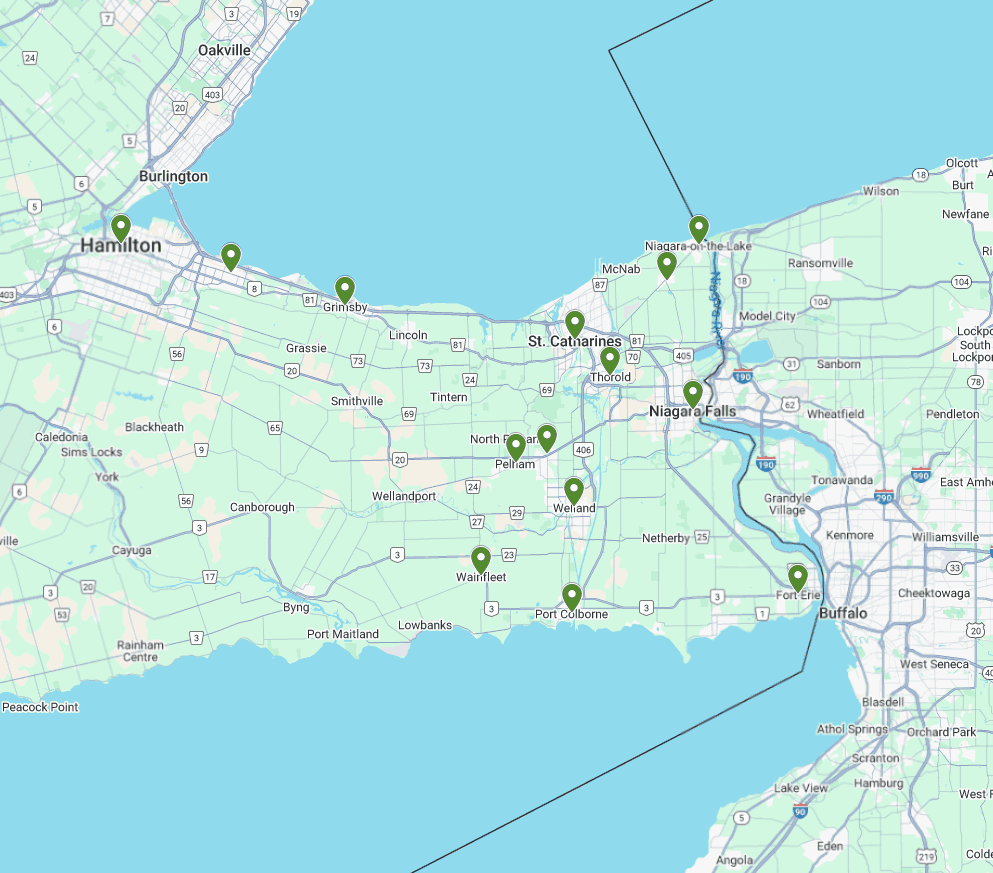
Service Areas
Our service areas encompass a wide range of locations, ensuring that we can meet the needs of our clients wherever they are. From bustling urban centers to serene rural landscapes, we are committed to providing top-notch services tailored to each unique environment.