



Emergency furnace repair in Hamilton, ON provides round-the-clock response to keep homes warm and safe during winter outages. The service describes how technicians diagnose on-site, prioritize safety, and distinguish temporary fixes from permanent solutions, with carbon monoxide screening, gas and electrical safety checks, and thorough system testing. It describes common emergency scenarios, what to prepare, and after-hours pricing, emphasizing rapid heat restoration, prevention of water damage, and clear guidance to help homeowners act quickly and confidently.
-min.jpeg)
furnace emergency-furnace-repair in Hamilton, ON
When your furnace fails in the middle of a Hamilton winter, minutes matter. 24/7 emergency furnace repair in Hamilton, ON offers rapid response and priority dispatch to restore heat, protect pipes, and keep your family safe. This page explains what constitutes a furnace emergency in Hamilton homes, how technicians diagnose problems on-site, the difference between temporary and permanent repairs, the safety checks performed (including carbon monoxide screening and shutoffs), and what you should have ready if you need immediate assistance.
Why priority emergency furnace repair matters in Hamilton, ON
Hamilton experiences cold, damp winters with lake-effect snow and frequent temperature swings. That climate increases the risk of frozen pipes, rapid indoor heat loss, and greater demand on aging furnaces—especially in older homes common in Hamilton neighbourhoods. A quick, prioritized response reduces the chance of secondary damage (frozen water lines, burst pipes, or prolonged exposure to dangerously low indoor temperatures) and simplifies repair options because technicians can stabilize systems before small problems cascade into major failures.
Common emergency furnace scenarios in Hamilton
Emergency furnace repair calls typically fall into a few clear categories:
- No heat at all — furnace won’t start, thermostat shows power but no firing.
- Complete system failure during extreme cold — intermittent starts then lockouts.
- Strange or loud noises — banging, grinding, or whistling that indicate mechanical failure.
- Strong or unusual odours — gas smell or burning smells that suggest immediate risk.
- Repeated lockouts or continuous cycling — safety controls tripping repeatedly.
- Pilot light or ignition failures — older units with standing pilots or electronic ignition issues.
- Carbon monoxide (CO) alarm activation or suspected CO exposure — immediate life-safety priority.
- Frozen condensate/drain or flue blockages — common when the temperature drops suddenly.
Each of these presents different risk levels. Odours of gas and CO alarms require immediate evacuation and safety measures before any repair work.
On-site diagnostic procedures you can expect
In an emergency response, technicians follow a structured diagnostic path to find the root cause quickly and safely:
Technicians prioritize fixes that restore safe operation quickly and then recommend permanent repairs or replacements if needed.
Temporary vs permanent repair options
During an emergency call, technicians will often provide a temporary repair to restore heat immediately while preventing further damage. Common temporary measures include:
- Replacing a failed limit switch or fuse to restart the system safely
- Resetting a locked-out control after addressing the triggering fault
- Cleaning or temporarily replacing a clogged filter or condensate line
- Securing loose components or tightening electrical connections
- Applying a temporary patch to a cracked flue or vent if it can be safely sealed until a permanent solution
Permanent solutions are then scheduled based on the diagnosis and may include component replacement (ignition control, heat exchanger, blower motor), full system overhaul, or furnace replacement if repairs would be unreliable or unsafe in the long term.
Safety protocols: carbon monoxide, gas, and electrical risks
Safety protocols are non-negotiable in emergency furnace repair:
- Carbon monoxide screening: certified CO meters are used on every emergency call where CO is suspected or when combustion systems are involved. Any CO reading above safe thresholds triggers immediate isolation and ventilation measures.
- Gas leak response: a confirmed gas leak results in system shutoff, ventilation, and advising evacuation if levels are unsafe. Technicians check piping, fittings, and flex connectors before restoring service.
- Electrical safety: breakers and disconnects are used to defuse electrical hazards before working on controls or motors.
- Venting and flue inspection: blockages, corrosion, or improper termination are addressed immediately to eliminate backdraft and CO risk.
- Documentation: findings, readings, and actions taken are recorded to support follow-up repairs or replacement decisions.
Pricing and after-hours considerations
Emergency services prioritize safety and rapid response. Many emergency providers operate with a transparent after-hours or priority dispatch fee structure that reflects the cost of round-the-clock availability and rapid mobilization. In emergency situations technicians will typically explain the work required and identify which portions are temporary fixes and which require a scheduled, permanent repair—so you know what to expect before any non-emergency work is performed.
What to do and what to have ready if you need immediate assistance
Preparing information and taking immediate safety steps can speed response and protect occupants:
- If you smell gas or suspect CO exposure: evacuate immediately and contact emergency services. Do not use electrical switches, phones, or open flames until safely away from the building.
- If safe, turn off the furnace’s power and the gas shutoff valve at the appliance (only if you know where it is and can do so safely).
- Have these details ready for the crew: address, building type (detached, row home, apartment), furnace make/model and age (if known), brief description of symptoms (no heat, alarm, odour, noises), and any recent maintenance history.
- Clear a safe workspace around the furnace and remove obstacles so technicians can access the unit quickly.
Benefits of timely emergency furnace repair in Hamilton
Rapid, 24/7 emergency furnace repair minimizes the risk of frozen pipes, reduces the chance of costly secondary damage, restores comfort quickly, and addresses safety hazards like gas leaks and carbon monoxide. In Hamilton’s variable winter climate, fast response preserves your home and gives technicians the best opportunity to provide a reliable long-term solution.
If you face an urgent heating failure, prioritize safety first, gather the key information above, and follow local emergency guidance for gas or CO incidents so technicians can get to work and restore safe, reliable heat as quickly as possible.

Customer Testimonials

I called John today at 2:pm as my AC was not working and I wasn’t expecting even a call back as I knew with this hot weather we have had he would be swamped with calls. Well he called me back and showed at 8:pm on the same day to fix my AC. That is just incredible service and how much John really cares about his clients. Thank you John !

Lifesavers!! The AC in our house decided to quit the day we were passing the keys to the new owners!! Instead of making a service call to the house, John coached me through the minor repair over the phone, saving me the money and time waiting for a repair person to come.Much appreciated! Thanks again John
We had an amazing experience getting our new furnace installed with Niagara Home Heating. The owner was very helpful, their quote was more then competitive and the technician who installed the unit was professional and friendly. I would recommend their services.
I had an issue with my hot water tank and called Niagara Home Heating. Their service was fantastic and reasonably priced—exactly how a business should be run!
Very efficient company. I needed an old solar water heater removed from my roof. They were quick to book an appointment for the next day after I sent photos. They were very knowledgeable of the issue. The 2 guys that came were friendly and competent with the job, including removal of all parts.
I have used Niagara Home heating for multiple projects for over 16 years. John and his staff are absolutely the best. I tell all my friends and family about Niagara Home Heating because you won’t get any better service or pricing anywhere in Niagara. He has saved me thousands and thousands of dollars and has never let me down.

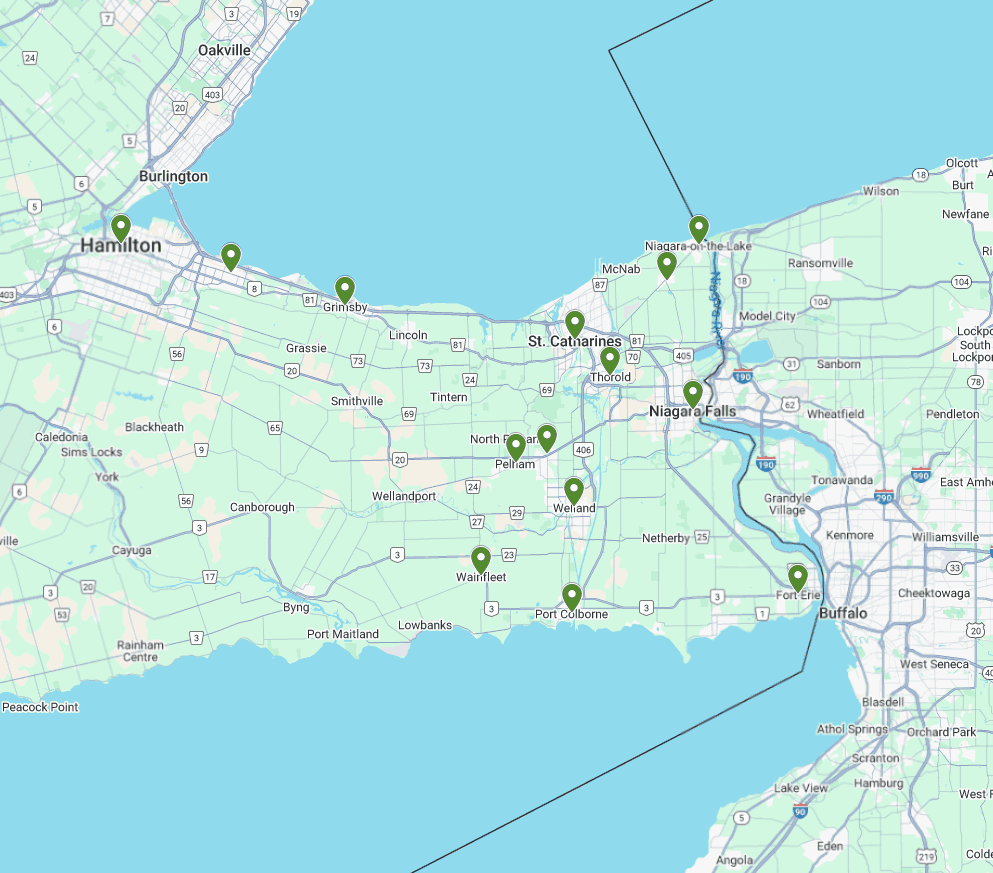
Service Areas
Our service areas encompass a wide range of locations, ensuring that we can meet the needs of our clients wherever they are. From bustling urban centers to serene rural landscapes, we are committed to providing top-notch services tailored to each unique environment.