



It describes comprehensive furnace service in Hamilton, ON, covering diagnostics, repairs, preventative maintenance, emergencies, and replacement options. It describes common local issues, the diagnostic workflow, and transparent pricing, with emphasis on safety, efficiency, and reliability. Readers will learn how technicians assess heat loss, airflow, controls, and venting, what to expect during repairs, and when replacement makes sense. Warranties and financing details help homeowners plan, compare options, and request an accurate estimate for timely service.
-min.jpeg)
furnace service in Hamilton, ON
Keeping your home warm, safe, and energy efficient through Hamilton winters starts with reliable furnace service. Whether your furnace is making strange noises, losing efficiency, or stopped working on a cold morning, comprehensive furnace service in Hamilton, ON protects comfort and prevents costly emergency replacements. This page explains common furnace problems in Hamilton homes, the diagnostic and repair process, preventive maintenance and tune-ups, emergency response and replacement options, plus what to expect from warranties and financing — all presented in clear, practical terms for decision-stage homeowners.
Why local furnace service matters in Hamilton, ON
Hamilton’s climate includes cold, damp winters and significant temperature swings that can strain heating systems. Many homes in Hamilton have older furnaces, variable duct layouts, and exposure to lake effect moisture that increases corrosion risk. Local technicians understand these regional stressors and common installation challenges in Hamilton neighborhoods, from older downtown homes to houses on the Mountain. That local knowledge leads to faster, more accurate diagnostics and solutions tailored to your home.
Common furnace service issues in Hamilton, ON
- Furnace won’t start or cycles on and off frequently: often caused by dirty filters, faulty thermostats, or failing ignition components.
- Weak or uneven airflow: blocked ducts, failing blower motors, or restrictive returns are common in older homes.
- Strange noises (banging, rattling, or squealing): can indicate loose panels, failing bearings, or motor issues.
- High energy bills with reduced output: aging heat exchangers, poor combustion, or inefficient systems.
- Carbon monoxide concerns and safety lockouts: cracked heat exchangers, venting problems, and blocked chimneys can create dangerous conditions.
- Pilot light/ignition failures and frequent shutdowns: often tied to gas supply, pressure, or electrical controls.
Types of furnace service offered
- Diagnostics and repairs: full-system inspections pinpoint root causes using visual checks, electrical tests, and combustion analysis when needed. Repairs include replacing sensors, motors, ignition components, control boards, belts, and more.
- Preventive maintenance and tune-ups: a seasonal tune-up optimizes combustion, inspects safety controls, cleans burners, lubricates moving parts, and adjusts settings to restore peak efficiency. Regular maintenance reduces breakdown risk and extends equipment life.
- Emergency furnace repair: 24/7-style emergency response for no-heat situations and safety issues. Emergency visits prioritize safety checks, temporary fixes to restore heat, and clear guidance on repair versus temporary measures in winter conditions.
- Installation and replacement options: system sizing, efficiency comparisons, and ductwork evaluation to recommend right-sized furnaces and compatible configurations for Hamilton homes. Replacement planning includes removal of old equipment and verification of proper ventilation and gas connections.
- Warranty and financing information: explanation of manufacturer and labor warranties and available financing options that help spread replacement costs without sacrificing quality.
What to expect during diagnostics and repairs
Technicians follow a structured diagnostic process that focuses on safety and root-cause resolution:
Diagnoses include clear explanations in plain language, the prioritized list of repairs, and the expected outcome for comfort and efficiency.
Repair solutions and when replacement makes sense
Common repair solutions restore reliable operation and safety: cleaning burners, replacing ignition components, repairing blower motors, sealing or modifying ducts, and calibrating controls. Repairs are often cost effective when the furnace is less than 10 to 15 years old and the issue is isolated.
Replacement is recommended when: persistent breakdowns occur, the heat exchanger is compromised, efficiency is low compared to modern units, or repair costs approach a significant portion of replacement. New high-efficiency furnaces can deliver noticeable energy savings in Hamilton’s long heating season, especially when paired with proper duct sealing and a programmable thermostat.
Installation, efficiency, and local considerations
Proper installation includes correct sizing for your home, verifying gas line and venting capacity, and ensuring ductwork matches airflow requirements. In Hamilton, pay attention to:
- Corrosion-resistant venting and condensate handling in coastal and lake-effect areas.
- Sealing and insulating ducts in older homes to reduce heat loss.
- Matching thermostats and zoning to account for multi-level houses and the Mountain effect on temperature distribution.
Ask about energy efficiency ratings and local utility or municipal incentives that may apply in Hamilton for high-efficiency equipment.
Warranties and financing explained
Standard new furnaces carry manufacturer warranties on major components and heat exchangers, plus separate labor warranties. Understand what is covered, the duration, and any maintenance requirements to keep warranties valid. Financing options typically include payment plans or loans designed for home HVAC projects to make replacements manageable. When reviewing options, compare warranty terms, included service agreements, and total long-term operating costs.
How to request an estimate or schedule service (what to prepare)
When requesting an estimate or scheduling a service visit, having the following information makes assessments faster and more accurate:
- Home address and brief description of symptoms (no heat, high bills, noises, CO alarm activation).
- Furnace manufacturer, model, and estimated age if known.
- Recent service history and whether the system has been regularly maintained.
- Access notes for unique installation areas (basement stairs, mechanical rooms).
Technicians will often provide a written estimate that outlines recommended repairs or replacement options, expected timelines, and warranty coverage.
Simple maintenance homeowners can do
- Change or clean filters every 1 to 3 months during the heating season.
- Keep vents and returns clear of furniture and dust.
- Maintain a setback thermostat schedule to avoid unnecessary run time.
- Ensure carbon monoxide detectors are installed and tested.
- Keep the area around the furnace clean and unobstructed.
Benefits of timely furnace service in Hamilton
Routine service improves safety by detecting combustion or venting issues, reduces emergency calls during cold snaps, preserves equipment life, and lowers energy costs by maintaining efficiency. For Hamilton homeowners, local furnace service helps address regional wear factors and delivers solutions that keep homes comfortable through the long heating season.
This information gives you a clear view of what professional furnace service in Hamilton, ON includes, how diagnostics and repairs are handled, when replacement is appropriate, and what to prepare when requesting a written estimate.

Customer Testimonials

I have used Niagara Home heating for multiple projects for over 16 years. John and his staff are absolutely the best. I tell all my friends and family about Niagara Home Heating because you won’t get any better service or pricing anywhere in Niagara. He has saved me thousands and thousands of dollars and has never let me down.

We had an amazing experience getting our new furnace installed with Niagara Home Heating. The owner was very helpful, their quote was more then competitive and the technician who installed the unit was professional and friendly. I would recommend their services.
I called John today at 2:pm as my AC was not working and I wasn’t expecting even a call back as I knew with this hot weather we have had he would be swamped with calls. Well he called me back and showed at 8:pm on the same day to fix my AC. That is just incredible service and how much John really cares about his clients. Thank you John !
Very efficient company. I needed an old solar water heater removed from my roof. They were quick to book an appointment for the next day after I sent photos. They were very knowledgeable of the issue. The 2 guys that came were friendly and competent with the job, including removal of all parts.
I had an issue with my hot water tank and called Niagara Home Heating. Their service was fantastic and reasonably priced—exactly how a business should be run!
Lifesavers!! The AC in our house decided to quit the day we were passing the keys to the new owners!! Instead of making a service call to the house, John coached me through the minor repair over the phone, saving me the money and time waiting for a repair person to come.Much appreciated! Thanks again John

Service Areas
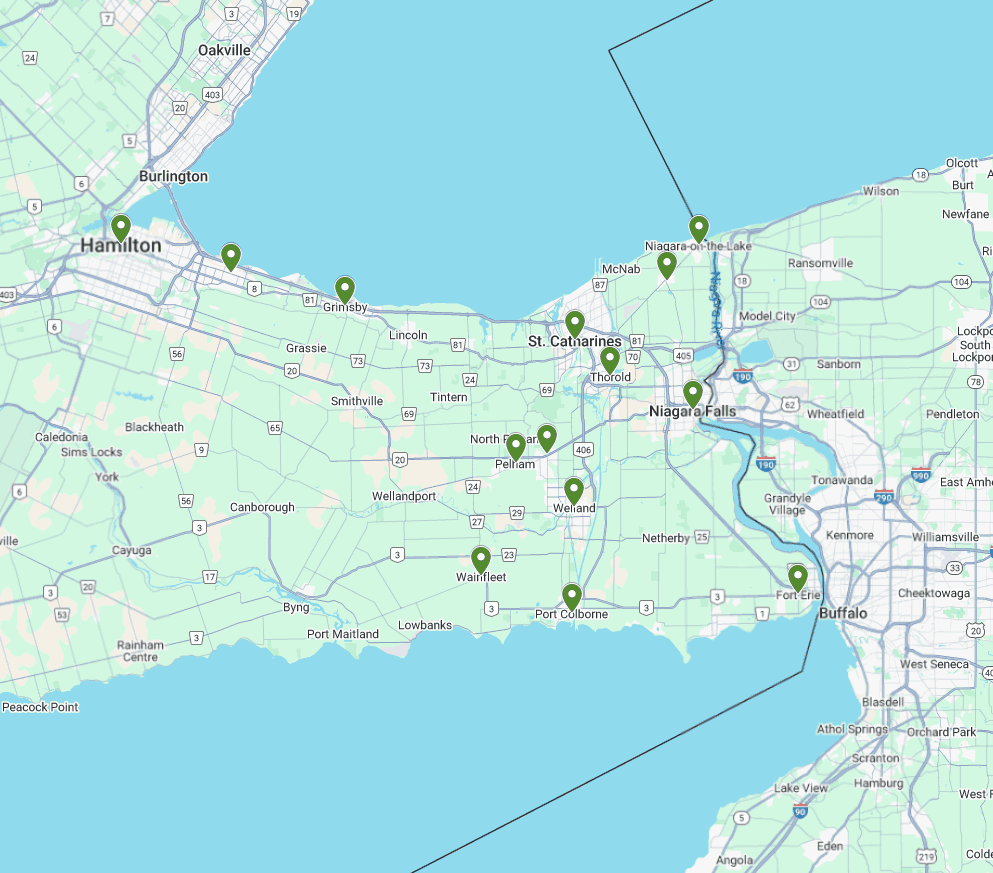
Our service areas encompass a wide range of locations, ensuring that we can meet the needs of our clients wherever they are. From bustling urban centers to serene rural landscapes, we are committed to providing top-notch services tailored to each unique environment.