



It describes when to replace a home heating system in Hamilton, ON, and guides homeowners through sizing, options, permits, warranties, and the financing needed for modern, efficient equipment. It compares furnaces, boilers, and heat pumps, outlining pros, cons, and ideal applications. A step-by-step replacement process, from assessment to commissioning, is described along with testing, timelines, and expected post-install performance. The content highlights long-term benefits, maintenance, and how local climate affects choice and reliability. This resource emphasizes energy savings and comfort.
.jpeg)
Heating Replacement in Hamilton, ON
Replacing your home heating system is a major decision. In Hamilton, ON, where cold winters, lake-effect snow and a long heating season put heavy demand on equipment, choosing the right time and system for replacement protects comfort, reduces fuel bills, and avoids safety risks. It describes when replacement is recommended, how an assessment and system sizing work, the pros and cons of furnaces, boilers and heat pumps, the step-by-step replacement and removal process, permits and warranties, financing and rebate options, expected timelines, and the testing done after installation.
When replacement is recommended
Common signs that a heating system needs replacement in Hamilton homes:
- Frequent breakdowns or increasing repair frequency and cost
- Significant drop in heating comfort or uneven room temperatures
- Older equipment reaching the end of typical service life (furnaces/boilers ~15–25 years; older heat pumps 10–15 years)
- Rising energy bills despite regular maintenance
- Yellow burner flame, rust, leaks, or persistent combustion smells (safety concerns)
- House renovations or changes in occupancy that require different capacity
Replacing a failing system proactively in Hamilton’s climate prevents emergency outages during cold snaps and can significantly lower annual energy use.
Assessment and system sizing
A professional heating replacement begins with a thorough home assessment:
- Inspection of existing equipment, fuel type (natural gas, propane, oil, electric), ductwork or hydronic piping, insulation levels and attic/basement conditions.
- Heat loss calculation (Manual J or equivalent) to determine exactly how much heating capacity your home needs. In Hamilton, factors like older brick homes, basements, and waterfront exposure are included.
- Evaluation of ventilation, airflow, and distribution systems to see if ductwork or radiators need upgrades or balancing.
Correct sizing matters: oversized systems short-cycle and reduce efficiency; undersized systems struggle on the coldest days. The assessment produces recommended capacities and a tailored equipment list.
Furnace vs Boiler vs Heat Pump — comparison and efficiency
Choosing the right technology depends on home type, fuel availability, budget, and long-term efficiency goals.
Furnaces (forced-air)
- Best for homes with existing ductwork.
- Efficiency measured by AFUE. Modern high-efficiency gas furnaces commonly exceed 95% AFUE.
- Fast heat response and integrates easily with central air and filtration systems.
Boilers (hydronic)
- Ideal for homes with radiators or in-floor heating.
- AFUE ratings vary; modern condensing boilers can reach 90%+ AFUE.
- Provide comfortable radiant heat and quieter operation but may require different maintenance.
Heat pumps (air-source and cold-climate models)
- Provide heating and cooling in one system; efficiency measured by HSPF and coefficient of performance (COP).
- Cold-climate heat pumps maintain good output at Hamilton winter temperatures and offer substantial energy savings for electrically driven systems.
- Eligible for more rebates in many programs; may require supplemental heat in extreme cold for some models.
Other considerations: fuel price stability (natural gas vs electricity), lifecycle costs, and integration with smart thermostats or zoned systems.
Replacement and removal process (step-by-step)
A typical replacement project follows a predictable sequence to minimize disruption:
- Pre-install planning: final equipment selection, permit planning, and scheduling.
- Site preparation: protect floors and furniture, lay runner and containment to reduce dust.
- Disconnect and remove old equipment: gas/electrical shutoff performed safely; older units removed and recycled/disposed per local regulations.
- Prepare connections: set new platform or mounts, adjust venting or flue, update condensate drains and gas/piping as needed.
- Install new equipment: set furnace/boiler/heat pump, connect controls and thermostat wiring, and integrate with ductwork or hydronic piping.
- Commissioning: fill and purge hydronic systems if present, check gas pressure, electrical connections, safety devices and control settings.
- Final cleanup: remove debris, vacuum work area, recycle old unit components where possible.
- Documentation: provide equipment manuals, warranty registration paperwork and a written summary of work performed.
Technicians should protect your home throughout the process and leave the site clean.
Permits, inspections and warranties
In Hamilton, heating replacements typically require municipal permits and inspections for gas and mechanical work. Licensed technicians follow Ontario codes and may register work with relevant authorities. Common permit-related items:
- Gas appliance changeover permits and inspection
- Mechanical permit for HVAC equipment and ventilation changes
- Electrical permits if new circuits or disconnects are required
Warranties vary by manufacturer and installer:
- Manufacturer warranties cover major component failures for defined terms; longer warranties are available for select models.
- Installer warranties can cover workmanship; get details on what is included and how to register warranties promptly.
Financing and rebate options
While specific offers vary, homeowners in the region commonly use repayment plans or financing to spread the cost of higher-efficiency systems. There are also federal and provincial rebate programs, utility incentives and local grants that often favor high-efficiency furnaces, condensing boilers and cold-climate heat pumps. Eligibility typically depends on equipment efficiency, date of installation, and professional installation by certified technicians.
Always confirm the current rebate criteria and required documentation before installation so you can apply successfully.
Expected timeline and what to expect on installation day
Typical timelines:
- Assessment and quote: usually completed within a few days of inspection.
- Permit processing: varies by municipality but often a few days to a couple of weeks.
- Physical replacement: most straightforward replacements can be completed in one day (4–8 hours). Complex jobs—like major ductwork revisions, boiler piping changes or full-system heat pump retrofits—may take multiple days.
- Final inspection and commissioning: completed immediately after installation or scheduled within a short timeframe per local inspector availability.
Technicians should coordinate arrival times, protect living spaces, and communicate any unexpected complications that affect timing.
Before-and-after testing to ensure performance
After installation, a full commissioning process ensures the system operates as intended:
- Safety checks: combustion analysis for gas appliances, CO testing, pressure and leak tests.
- Performance checks: airflow balancing, temperature rise testing for furnaces, and output testing for heat pumps and boilers.
- Thermostat programming: set comfort schedules and demonstrate operation.
- Customer walkthrough: review maintenance needs, filter type and replacement intervals, and warranty paperwork.
Documented test results give you confidence the system is safe and efficient from day one.
Long-term benefits and maintenance
A properly selected and installed heating system in Hamilton delivers:
- Improved comfort and more consistent indoor temperatures
- Lower energy consumption and reduced utility costs
- Cleaner indoor air when paired with upgraded filtration
- Fewer emergency repairs and longer equipment life
Regular preventive maintenance—annual tune-ups, filter changes and periodic inspections—preserves efficiency and warranty coverage.
Replacing your heating system in Hamilton is a technical process that benefits from local expertise, correct sizing, attention to permits and access to available rebates. With the right planning and certified installers, you’ll gain a safer, more efficient, and more comfortable home heating solution tailored to Hamilton’s climate and housing stock.

Customer Testimonials

I have used Niagara Home heating for multiple projects for over 16 years. John and his staff are absolutely the best. I tell all my friends and family about Niagara Home Heating because you won’t get any better service or pricing anywhere in Niagara. He has saved me thousands and thousands of dollars and has never let me down.

Very efficient company. I needed an old solar water heater removed from my roof. They were quick to book an appointment for the next day after I sent photos. They were very knowledgeable of the issue. The 2 guys that came were friendly and competent with the job, including removal of all parts.
I called John today at 2:pm as my AC was not working and I wasn’t expecting even a call back as I knew with this hot weather we have had he would be swamped with calls. Well he called me back and showed at 8:pm on the same day to fix my AC. That is just incredible service and how much John really cares about his clients. Thank you John !
I had an issue with my hot water tank and called Niagara Home Heating. Their service was fantastic and reasonably priced—exactly how a business should be run!
We had an amazing experience getting our new furnace installed with Niagara Home Heating. The owner was very helpful, their quote was more then competitive and the technician who installed the unit was professional and friendly. I would recommend their services.
Lifesavers!! The AC in our house decided to quit the day we were passing the keys to the new owners!! Instead of making a service call to the house, John coached me through the minor repair over the phone, saving me the money and time waiting for a repair person to come.Much appreciated! Thanks again John

Service Areas
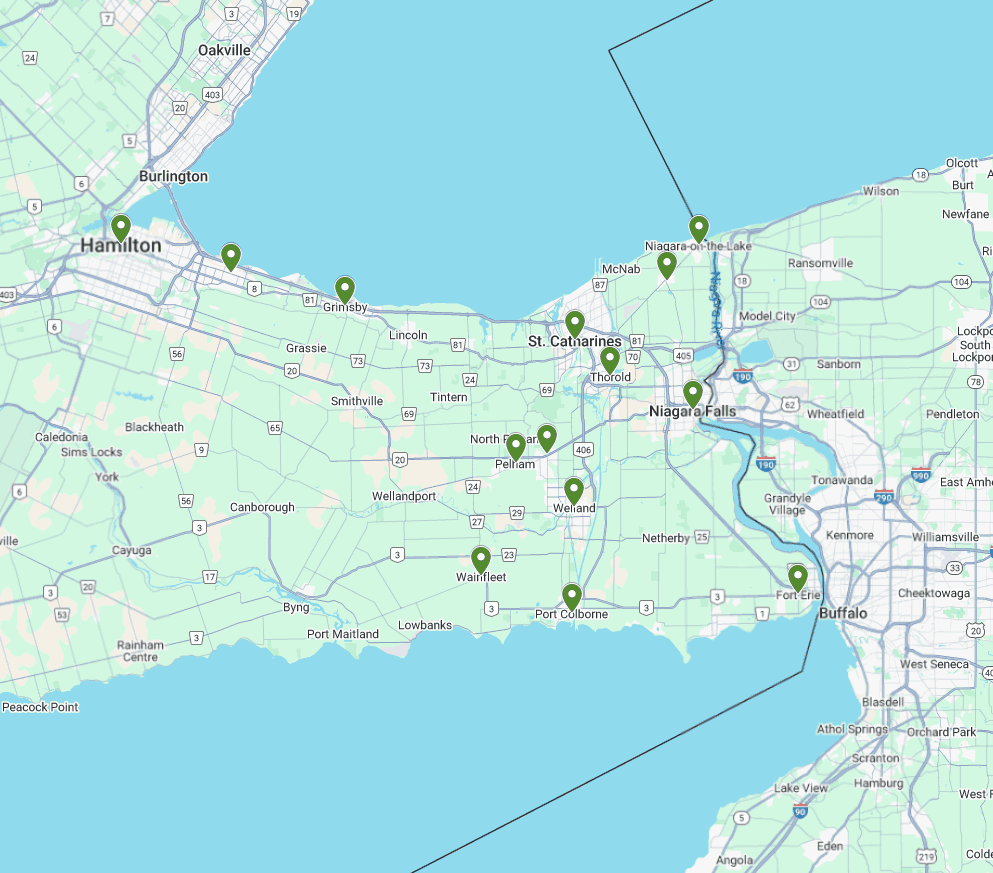
Our service areas encompass a wide range of locations, ensuring that we can meet the needs of our clients wherever they are. From bustling urban centers to serene rural landscapes, we are committed to providing top-notch services tailored to each unique environment.