



Hamilton homeowners seeking reliable, code‑compliant heating installation can expect a comprehensive process designed to fit diverse houses from historic to modern. The guide covers site evaluation, load calculations, equipment selection, ductwork and piping planning, permits, and professional installation steps, plus thermostat integration, commissioning, and maintenance handoff. It emphasizes energy efficiency, proper sizing, safety, and long-term value, with attention to local climate, Lake Ontario conditions, and Ontario building requirements. A transparent, step‑by‑step approach ensures comfort, performance, and peace of mind through Hamilton’s colder seasons.
.jpeg)
Heating installation in Hamilton, ON
A properly planned and professionally installed heating system gives Hamilton homes reliable warmth, lower energy bills, and better indoor air quality through cold winters and shoulder seasons. Whether you are replacing an aging furnace, switching to a high-efficiency boiler, or installing a heat pump, a clear, code‑compliant installation process protects your family, keeps energy costs down, and preserves resale value in Hamilton neighbourhoods with a wide mix of housing stock from century homes to new condos.
Why a tailored installation matters in Hamilton
Hamilton’s climate, proximity to Lake Ontario, and varied housing types create unique needs:
- Cold spells and lake-effect snow increase demand during peak winter days, so undersized systems struggle.
- Older homes and heritage properties often have nonstandard ductwork, radiators, or limited mechanical space that require custom solutions.
- Rowhouses and multi-unit buildings need careful duct/piping zoning to balance comfort across connected spaces.Choosing the right system and installing it correctly is the difference between steady heat and repeated repairs or high utility bills.
Common heating installation needs in Hamilton
- Replacement of failing furnaces or boilers in older homes
- Conversion from oil or electric baseboards to natural gas or heat pump systems
- New installations for additions, renovations, or new construction
- System upgrades to higher-efficiency equipment to reduce utility costs
- Zoned heating for multi-level or multi-unit properties
- Integration with smart thermostats and home automation
The installation process — what to expect
The full installation follows a logical sequence to ensure performance, safety, and compliance.
- Site evaluation and initial consultation
- Inspect the mechanical room, ductwork or piping, venting routes, and fuel access.
- Identify obstacles common in Hamilton homes such as limited basement clearance, chimney conditions, or shared flues in multi-unit buildings.
- Discuss comfort goals, budget ranges, and long-term efficiency targets.
- Load calculations and system sizing
- Perform a heat loss calculation (Manual J-style) that accounts for home orientation, insulation levels, window types, and local climate data.
- Proper sizing prevents short cycling and reduces fuel consumption—especially important during Hamilton’s extreme cold days.
- Equipment selection
- Compare fuel types and technologies: high-efficiency condensing furnaces, modulating boilers, and air-source or ground-source heat pumps.
- Factor in local fuel availability, existing infrastructure, and potential rebates or incentives available in Ontario for efficient equipment.
- Select systems with appropriate capacity, control compatibility, and warranty coverage.
- Ductwork and piping considerations
- Evaluate existing ductwork for leaks, insulation, and proper sizing; many older Hamilton homes need duct resizing or repair.
- For hydronic systems, inspect radiators, piping layout, and boiler room ventilation.
- Plan routing to minimize disruptive remodeling while maintaining performance.
- Code compliance and permits
- Prepare and obtain required permits under the Ontario Building Code and follow TSSA (Technical Standards and Safety Authority) regulations for gas installations.
- Ensure venting, combustion air, and gas line work meet municipal and provincial standards for safety and inspection.
- Professional installation steps
- Remove old equipment safely and dispose of in accordance with local regulations.
- Install new equipment on appropriate supports or pads, complete gas, electrical, and condensate connections, and route venting per code.
- Configure duct transitions or connect hydronic piping with isolation valves and proper flue connections.
- Thermostat and control integration
- Install and configure thermostats, zoning panels, or smart controls for efficient operation and occupant comfort.
- Commission controls so they communicate correctly with multi-stage or variable-output equipment.
- Commissioning and performance testing
- Run full system tests: airflow, static pressures, gas pressures, combustion analysis (if applicable), and thermostat response.
- Verify distribution balance, temperature rise, and ensure there are no safety concerns such as carbon monoxide or improper venting.
- Warranty and maintenance handoff
- Provide documentation on equipment warranty, installation details, and recommended maintenance intervals.
- Explain user controls, filter replacement schedules, and seasonal checks to preserve efficiency and warranty coverage.
- Financing and estimates
- Many homeowners evaluate financing or estimate options to spread upfront costs for high-efficiency systems. Discuss available financing terms or government/utility incentives that may apply for energy-efficient upgrades in Ontario.
Common installation issues and expert fixes
- Inadequate sizing: Recalculate loads and recommend right-sized equipment or zoning to prevent short cycling.
- Poor ductwork: Seal, insulate, and reconfigure ducts to improve airflow and reduce heat loss.
- Venting and combustion air problems: Rework vent routes or provide dedicated combustion air per code.
- Tight mechanical spaces: Use compact units or reconfigure piping/ducting to fit without compromising serviceability.
- Compatibility with old controls: Upgrade thermostats and control wiring for proper modulation and efficiency control.
Benefits of a professional, code‑compliant install
- Improved comfort with even heating and fewer cold spots.
- Lower operating costs from high-efficiency equipment and correct sizing.
- Safety and compliance with TSSA and Ontario building requirements, reducing liability and passing inspections.
- Longer equipment life through proper commissioning and maintenance planning.
- Higher home value and better resale prospects with documented, permitted upgrades.
Practical homeowner prep and maintenance advice
- Clear access to the mechanical area and make room for installers to bring equipment in.
- Have past service records, fuel type, and utility bills available for accurate recommendations.
- Replace filters regularly—monthly to quarterly depending on system and household needs.
- Schedule annual professional maintenance for combustion systems and seasonal checks for heat pumps to maintain efficiency and detect issues early.
Heating installation in Hamilton, ON requires technical precision, local code knowledge, and attention to the specific challenges of older housing stock and Lake Ontario weather. A step-by-step, documented installation gives you predictable performance, energy savings, and peace of mind through Hamilton’s longest, coldest months.

Customer Testimonials

Very efficient company. I needed an old solar water heater removed from my roof. They were quick to book an appointment for the next day after I sent photos. They were very knowledgeable of the issue. The 2 guys that came were friendly and competent with the job, including removal of all parts.

I had an issue with my hot water tank and called Niagara Home Heating. Their service was fantastic and reasonably priced—exactly how a business should be run!
We had an amazing experience getting our new furnace installed with Niagara Home Heating. The owner was very helpful, their quote was more then competitive and the technician who installed the unit was professional and friendly. I would recommend their services.
I called John today at 2:pm as my AC was not working and I wasn’t expecting even a call back as I knew with this hot weather we have had he would be swamped with calls. Well he called me back and showed at 8:pm on the same day to fix my AC. That is just incredible service and how much John really cares about his clients. Thank you John !
Lifesavers!! The AC in our house decided to quit the day we were passing the keys to the new owners!! Instead of making a service call to the house, John coached me through the minor repair over the phone, saving me the money and time waiting for a repair person to come.Much appreciated! Thanks again John
I have used Niagara Home heating for multiple projects for over 16 years. John and his staff are absolutely the best. I tell all my friends and family about Niagara Home Heating because you won’t get any better service or pricing anywhere in Niagara. He has saved me thousands and thousands of dollars and has never let me down.

Service Areas
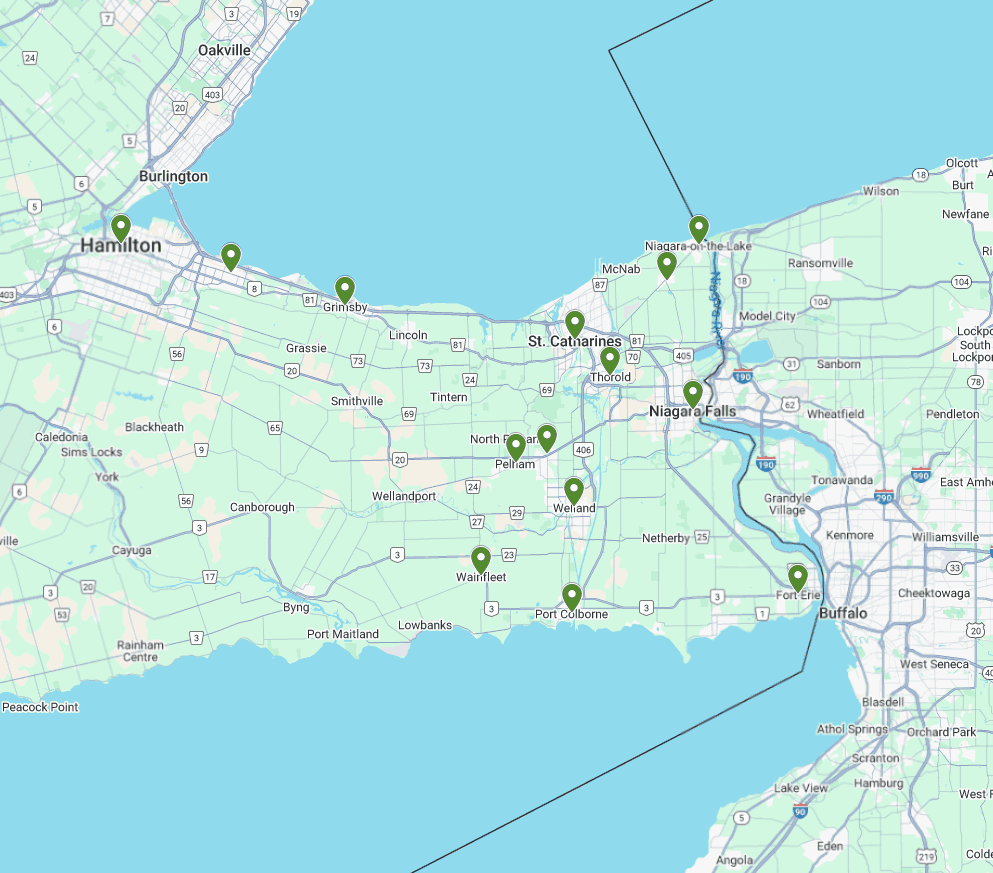
Our service areas encompass a wide range of locations, ensuring that we can meet the needs of our clients wherever they are. From bustling urban centers to serene rural landscapes, we are committed to providing top-notch services tailored to each unique environment.