



Comprehensive heating tune-ups for Hamilton homes reinforce winter safety, efficiency, and reliability by inspecting burners, heat exchangers, ductwork, controls, and venting. The service prioritizes ignition reliability, correct thermostat calibration, and carbon monoxide safeguards while identifying wear, blockages, or leaks before they fail during peak cold. Technicians perform a full safety and performance checklist, provide a written findings report, and advise repairs. Regular annual visits reduce emissions, cut fuel use, and extend furnace life, improving comfort throughout the season.
-min.jpeg)
Heating Tune-Up in Hamilton, ON
A focused heating tune-up is one of the best investments you can make for winter comfort, safety, and long-term savings in Hamilton, ON. With cold, often damp winters and older housing stock in many neighbourhoods, furnaces work hard here. A professional tune-up identifies worn components, corrects unsafe conditions, and restores efficient operation so your home stays warm without wasting fuel or risking carbon monoxide exposure.
Why a Hamilton heating tune-up matters
- Hamilton winters are cold and can include extended stretches of low temperatures that put continuous demand on furnaces. Undetected issues are more likely to cause breakdowns at the worst time.
- Homes near the lake and in older neighbourhoods may have original ductwork, older appliances, or exposure to road salt and moisture that accelerate wear on outdoor and venting components.
- Natural gas furnaces are common in the region; combustion and safety testing is critical to prevent carbon monoxide and ensure safe venting.
Common heating problems we find in Hamilton homes
- Reduced airflow from clogged filters or obstructed ducts, causing uneven heating and higher energy use
- Pilot or ignition failures and intermittent burners that lead to short-cycling
- Dirty burners or combustion chambers that lower efficiency and increase fuel use
- Cracked or corroded heat exchanger components creating a safety risk
- Incorrect thermostat calibration or faulty controls that make systems run longer than necessary
- Blocked or poorly installed venting and flues that cause spillage or backdrafting
Comprehensive tune-up checklist
A focused heating tune-up for Hamilton homes includes all the essential inspections and tests to confirm safe, efficient operation:
- Burner and heat exchanger inspection: visual inspection for corrosion, cracking or soot buildup; cleaning burners and burner ports as needed
- Pilot and ignition system checks: verify reliable ignition, inspect pilot light or electronic igniter, and troubleshoot intermittent start issues
- Thermostat calibration and control checks: confirm setpoint accuracy and proper communication with the furnace controls
- Airflow and duct checks: inspect air filter, blower wheel, fan motor operation, measure airflow if necessary, and examine accessible ductwork for leaks or obstructions
- Combustion and safety testing: flue draft and spillage checks, combustion gas analysis where applicable, carbon monoxide screening near the appliance and discharge vents
- Electrical and safety device inspection: tighten electrical connections, test limit switches, safety cut-outs, and pressure switches
- Venting and condensate management: inspect flue, vent connectors and condensate traps/drains for blockages or corrosion
- Lubrication and mechanical checks: lubricate motors and bearings where required, confirm belt tension and pulley alignment
- System performance test: run the system through a full cycle, verify temperature rise, observe cycling behaviour, and review runtime data
Technicians provide a written summary of findings and recommended repairs or adjustments after the inspection.
What the process looks like (diagnostic steps)
- Arrival and safety setup: technician confirms system is safe to work on and documents model and serial numbers.
- Visual and operational inspection: burners, heat exchanger, venting, blower and electrical components are inspected while the system runs.
- Cleaning and adjustments: remove light surface debris, clean burner surfaces and blower components as needed, tighten connections.
- Combustion and safety testing: measure vent draft and run a carbon monoxide screen; for high-efficiency furnaces check condensate traps and PVC venting integrity.
- Thermostat and airflow tuning: calibrate thermostat, replace or advise on filter, and check ductwork access points.
- Final performance check and report: confirm temperature rise, cycle behaviour, and provide an itemized list of any issues discovered.
Expected duration and recommended frequency
- Duration: A typical heating tune-up for a conventional gas furnace takes about 60 to 90 minutes. High-efficiency or complex systems, older equipment, or multi-stage units can take longer.
- Recommended frequency: Annual tune-up before the heating season is standard to ensure safe and efficient operation. Homes with older furnaces, heavy usage, or known issues may benefit from semi-annual checks. New systems should be inspected annually to maintain warranties and peak efficiency.
How a tune-up improves safety and efficiency
- Reduces carbon monoxide risk: Combustion and venting tests identify leaks, backdrafting, and heat exchanger problems that can allow combustion gases into living spaces.
- Lowers energy use: Clean burners, correct airflow, and calibrated controls improve combustion efficiency so the furnace uses less fuel to deliver the same heat.
- Increases reliability: Identifying worn components (motors, belts, ignition systems) before they fail reduces the chance of mid-winter breakdowns.
- Extends equipment life: Routine cleaning, lubrication and adjustments decrease mechanical stress and slow component deterioration.
- Improves comfort: Proper airflow balancing and thermostat calibration reduce cold spots and short cycling, giving more consistent indoor temperatures.
What affects tune-up cost (factors to expect)
Costs depend on system type and condition. Factors that typically influence price include:
- Age and model complexity of the furnace (single-stage vs multi-stage, condensing furnaces, heat pumps)
- Time required for cleaning and diagnostic testing (additional time for difficult-to-access systems)
- Whether parts need replacement or repairs are discovered during the tune-up
- Additional services like detailed duct cleaning, advanced combustion analysis, or required safety repairs
A technician will assess your furnace and provide a clear estimate before performing any repair work beyond the standard tune-up.
Practical maintenance tips for Hamilton homeowners
- Replace standard filters monthly during heavy use; higher-efficiency filters (check compatibility with your blower) can be changed every 2–3 months.
- Keep outdoor vents and intake areas clear of snow, ice and salt buildup during winter. Salt and moisture can accelerate corrosion of vent components.
- Ensure a working carbon monoxide alarm is installed outside sleeping areas and test it regularly.
- Seal and insulate accessible duct runs in unheated basements to prevent heat loss during long Hamilton winters.
- Schedule your tune-up in the fall so the system is checked before winter demand increases.
A professional heating tune-up tailored to Hamilton conditions minimizes safety risks, improves comfort during cold snaps, and helps control heating costs across the season. Regular, documented tune-ups are a practical way to keep your home safe and your furnace running efficiently for years.

Customer Testimonials

I have used Niagara Home heating for multiple projects for over 16 years. John and his staff are absolutely the best. I tell all my friends and family about Niagara Home Heating because you won’t get any better service or pricing anywhere in Niagara. He has saved me thousands and thousands of dollars and has never let me down.

We had an amazing experience getting our new furnace installed with Niagara Home Heating. The owner was very helpful, their quote was more then competitive and the technician who installed the unit was professional and friendly. I would recommend their services.
Very efficient company. I needed an old solar water heater removed from my roof. They were quick to book an appointment for the next day after I sent photos. They were very knowledgeable of the issue. The 2 guys that came were friendly and competent with the job, including removal of all parts.
Lifesavers!! The AC in our house decided to quit the day we were passing the keys to the new owners!! Instead of making a service call to the house, John coached me through the minor repair over the phone, saving me the money and time waiting for a repair person to come.Much appreciated! Thanks again John
I had an issue with my hot water tank and called Niagara Home Heating. Their service was fantastic and reasonably priced—exactly how a business should be run!
I called John today at 2:pm as my AC was not working and I wasn’t expecting even a call back as I knew with this hot weather we have had he would be swamped with calls. Well he called me back and showed at 8:pm on the same day to fix my AC. That is just incredible service and how much John really cares about his clients. Thank you John !

Service Areas
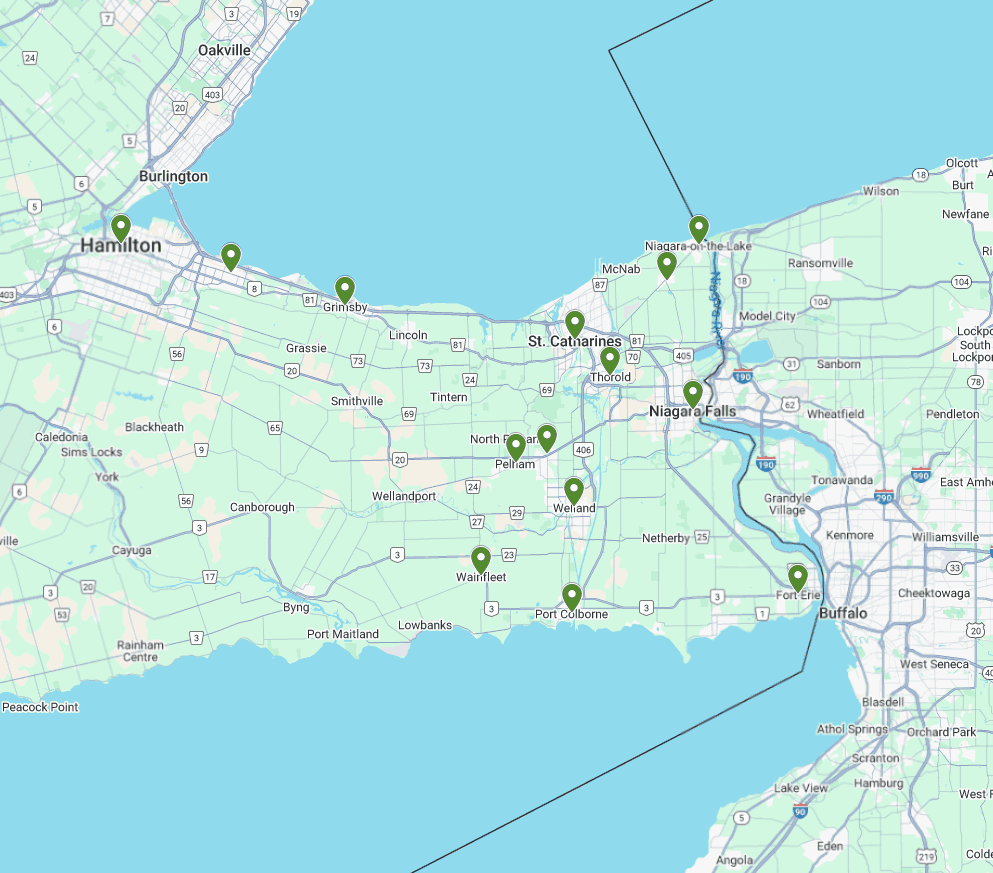
Our service areas encompass a wide range of locations, ensuring that we can meet the needs of our clients wherever they are. From bustling urban centers to serene rural landscapes, we are committed to providing top-notch services tailored to each unique environment.