



This service page describes comprehensive furnace installation in Hamilton, ON, from initial consultation and on-site assessment through Manual J sizing, equipment selection, ductwork upgrades, and venting considerations. It covers permits, safety inspections, and warranty protection, plus financing options and post-install commissioning. Readers learn how professionals ensure proper sizing, efficient operation, and long-term reliability, with emphasis on minimizing energy use, meeting code requirements, and protecting home comfort during Hamilton’s cold winters. It also highlights maintenance and warranty documentation for lasting value.
-min.jpeg)
furnace installation in Hamilton, ON
Replacing or installing a new furnace is one of the most important decisions for Hamilton homeowners. With cold winters, lake effect snow, and older housing stock in many neighbourhoods, the right furnace installation in Hamilton, ON affects comfort, energy bills, air quality, and long-term reliability. This page explains what a professional furnace installation looks like, how equipment is selected and sized (Manual J), duct and vent considerations, permitting and safety, warranties and financing, and what to expect during commissioning and post-install service.
Why a correct furnace installation matters in Hamilton, ON
Hamilton experiences prolonged cold periods and rapid temperature swings in shoulder seasons. An undersized furnace will struggle on the coldest nights, while an oversized unit will short cycle, increasing wear, reducing efficiency, and creating uneven heating. Many Hamilton homes also have older duct systems or limited utility space, which affects placement and venting strategy. A professionally executed installation ensures reliable warmth, lower utility bills, and a longer equipment life.
Common reasons Hamilton homeowners replace their furnace
- Equipment age: Furnaces older than 15 to 20 years commonly need replacement.
- Rising energy bills despite normal use.
- Frequent repairs and increasing downtime.
- Uneven heating between rooms or persistent drafts.
- Short cycling or noisy operation.
- Safety concerns such as cracked heat exchanger or CO incidents.
Initial consultation and on-site assessment
A good installation starts with a thorough consultation and on-site evaluation. This includes:
- Reviewing your home layout, insulation, windows, and occupancy patterns.
- Inspecting existing ventilation, chimney, and ductwork.
- Confirming available fuel source and utility requirements for natural gas or propane.
- Discussing comfort goals, budget, and desired efficiency.
The on-site assessment forms the basis for accurate sizing, equipment recommendations, and any preparatory work such as duct repairs.
Load calculations and sizing (Manual J)
Accurate sizing uses a Manual J load calculation to determine your home’s heating requirements. Manual J accounts for:
- Square footage and room-by-room dimensions.
- Insulation levels, window types, and air infiltration.
- Local climate data specific to Hamilton and surrounding microclimates.
- Orientation, sun exposure, and occupancy.
Using Manual J prevents common pitfalls: oversizing that causes short cycling, or undersizing that leaves your home underheated. The calculation yields the correct BTU capacity and supports selecting equipment with the right efficiency and staging.
Recommended equipment types and efficiency ratings
Equipment choice depends on home needs and budget. Common options include:
- High-efficiency condensing gas furnaces (AFUE 95%+): Best for Hamilton families seeking top energy savings. These require PVC venting and a condensate drain.
- Mid-efficiency gas furnaces (AFUE 80% to 90%): Lower upfront cost, still reliable for many homes.
- Modulating and two-stage furnaces: Provide smoother temperature control and better efficiency than single-stage units, especially in older homes with variable load.
- Variable speed ECM blower motors: Improve comfort, reduce noise, and enhance air circulation and filtration.
Efficiency is expressed as AFUE. Higher AFUE means more heat from the same fuel, but duct losses and installation quality also affect real-world performance.
Ductwork and venting considerations in Hamilton homes
Older Hamilton houses may have leaky or undersized ducts, poor insulation in basements, or chimney venting that needs updating. Key ductwork and vent items:
- Duct inspection and sealing to reduce losses and improve airflow.
- Correct sizing of supply and return runs to lower static pressure.
- Insulation for ducts in unheated spaces to prevent heat loss.
- Venting type: condensing furnaces use PVC terminal venting; older chimneys may be used for non-condensing units with appropriate liners and safety checks.
- Combustion air requirements and balanced ventilation in airtight homes to prevent backdrafting.
Addressing duct and vent issues during installation avoids comfort problems and supports the furnace warranty.
Professional installation steps
A professional furnace installation follows a clear sequence:
Permits, safety inspections, and code compliance
Permits and inspections are part of responsible furnace installation in Hamilton, ON. Installations must meet local building codes and gas utility requirements. Inspections typically check gas connections, venting, combustion safety, and electrical work. Carbon monoxide detector placement and testing is an essential safety step. Documentation of permits and inspection clearances should be provided with every installation.
Warranty coverage and protecting your investment
New furnaces carry two common warranty layers:
- Manufacturer warranty covering parts and heat exchanger (terms vary by model).
- Labor warranty from the installation contractor for workmanship.
Registering the equipment with the manufacturer and following scheduled maintenance are often conditions for preserving warranty coverage. Keep installation records, manuals, and the warranty registration as part of your home records.
Financing options and incentives
Hamilton homeowners can often access financing plans, utility incentives, or government rebates for high-efficiency equipment. Options include low-interest financing through lenders, seasonal promotions, and provincial or federal energy efficiency programs that target AFUE upgrades or furnace-to-heat-pump transitions. Confirm current rebate eligibility and documentation needs before purchase.
Post-install commissioning and testing
Commissioning ensures the system performs as designed. Typical post-install checks:
- Start-up and calibration of gas pressure, burner performance, and safety controls.
- Combustion and carbon monoxide testing to verify safe operation.
- Airflow, static pressure testing, and thermostat calibration.
- Demonstration of controls and filter replacement to the homeowner.
- Final paperwork: permit sign-off, warranty registration, and a maintenance schedule.
Long-term benefits and maintenance
A properly sized and installed furnace improves comfort, reduces energy bills, and extends equipment life. To protect that investment:
- Schedule annual professional maintenance and cleanings.
- Change filters regularly and maintain proper thermostat settings.
- Seal and insulate ducts, and address any home air leaks.
- Follow manufacturer maintenance requirements to keep warranties valid.
A careful, code-compliant furnace installation in Hamilton, ON that includes Manual J sizing, thoughtful duct and vent upgrades, and professional commissioning will deliver dependable heat through the region’s long winters while minimizing operating costs and safety risks.

Customer Testimonials

Lifesavers!! The AC in our house decided to quit the day we were passing the keys to the new owners!! Instead of making a service call to the house, John coached me through the minor repair over the phone, saving me the money and time waiting for a repair person to come.Much appreciated! Thanks again John

I called John today at 2:pm as my AC was not working and I wasn’t expecting even a call back as I knew with this hot weather we have had he would be swamped with calls. Well he called me back and showed at 8:pm on the same day to fix my AC. That is just incredible service and how much John really cares about his clients. Thank you John !
I have used Niagara Home heating for multiple projects for over 16 years. John and his staff are absolutely the best. I tell all my friends and family about Niagara Home Heating because you won’t get any better service or pricing anywhere in Niagara. He has saved me thousands and thousands of dollars and has never let me down.
We had an amazing experience getting our new furnace installed with Niagara Home Heating. The owner was very helpful, their quote was more then competitive and the technician who installed the unit was professional and friendly. I would recommend their services.
Very efficient company. I needed an old solar water heater removed from my roof. They were quick to book an appointment for the next day after I sent photos. They were very knowledgeable of the issue. The 2 guys that came were friendly and competent with the job, including removal of all parts.
I had an issue with my hot water tank and called Niagara Home Heating. Their service was fantastic and reasonably priced—exactly how a business should be run!

Service Areas
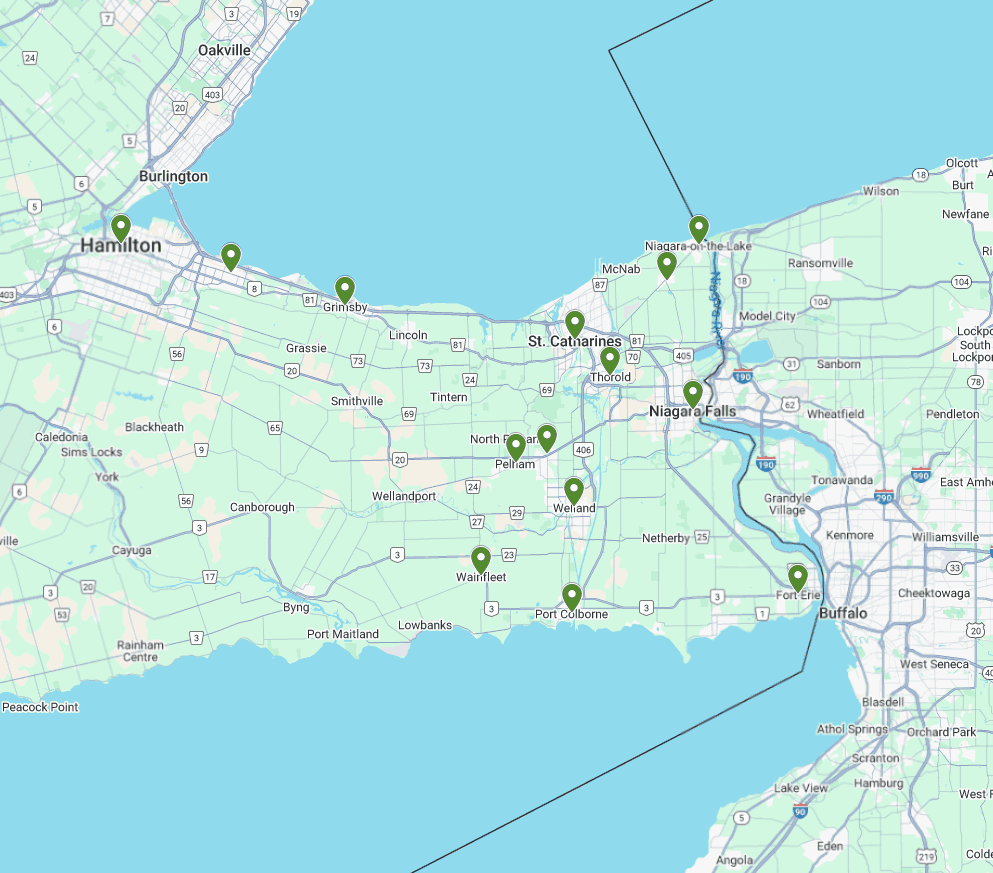
Our service areas encompass a wide range of locations, ensuring that we can meet the needs of our clients wherever they are. From bustling urban centers to serene rural landscapes, we are committed to providing top-notch services tailored to each unique environment.