



Heating repair services in Hamilton, ON deliver fast diagnostics and professional fixes for furnaces, boilers, and heat pumps. It describes common issues such as no heat, short cycling, ignition problems, strange noises, and uneven heating, and explains our methodical diagnosis process. It highlights typical repair timelines, emergency response, pricing transparency, warranties, and guidance on repair versus replacement. Regular maintenance and seasonal tips help extend equipment life and prevent costly breakdowns while preserving comfort and energy efficiency.
.jpeg)
Heating repair in Hamilton, ON
Reliable heating repair in Hamilton, ON keeps your home safe and comfortable during long cold spells. Hamilton winters feature heavy snowfall, occasional lake-effect cold snaps, and wide temperature swings that put extra stress on furnaces, boilers, and heat pumps. Whether your home uses a natural gas furnace, boiler, heat pump, or electric heating system, fast, accurate diagnostics and professional repairs prevent costly breakdowns and help you maintain efficient, dependable heat through the season.
Common heating repair issues in Hamilton homes
Hamilton homes commonly experience a handful of repeat problems. Knowing the symptoms helps homeowners understand what a technician will check.
- No heat or intermittent heat: Complete loss of heat or systems that run but fail to warm the house. Causes include thermostat failure, pilot or ignition problems, gas supply interruption, or failed control boards.
- Short cycling: System turns on and off frequently. Often caused by dirty filters, oversized equipment, blocked vents, failing limit switches, or refrigerant/airflow issues on heat pumps.
- Ignition and pilot troubles: Standing pilot or electronic ignition failures on gas furnaces and boilers can prevent the system from firing. Corrosion, clogged pilot orifice, or failed igniters are common.
- Strange noises: Banging, grinding, or rattling can signal loose components, a failing blower motor, cracked heat exchangers, or restrictions in ductwork.
- Uneven heating or poor airflow: Blocked ductwork, closed dampers, failing blowers, or undersized systems cause hot and cold spots.
- Carbon monoxide (CO) concerns: Cracked heat exchangers, blocked flues, or incomplete combustion can produce CO. Any sign of CO requires immediate professional diagnosis.
How we diagnose heating issues
Diagnostic service is methodical and safety-focused. The process used for heating repair in Hamilton, ON typically includes:
- Visual and safety inspection: Check venting, gas lines, electrical connections, filters, and visible components for obvious issues and safety hazards.
- System operation review: Observe startup sequence, flame quality (for gas appliances), pressure readings on boilers, and thermostat behavior.
- Component testing: Test ignition systems, limit switches, capacitors, motors, sensors, and control boards with industry tools.
- Airflow and distribution check: Inspect ductwork, registers, and vents for blockages or balance problems.
- Diagnostic reporting: Provide a clear, written explanation of findings, recommended repairs, and estimated timelines.
Diagnostics often reveal multiple contributing factors; addressing root causes reduces recurring repairs and improves safety and efficiency.
Typical repairs, parts replacement and estimated timelines
Common repairs for furnaces, boilers, and heat pumps in Hamilton include component swaps and adjustments. Standard timelines reflect typical field experience:
- Filter replacement and cleaning: Immediate, usually completed during the diagnostic visit.
- Igniter or pilot assembly replacement: 1 to 3 hours when parts are on hand.
- Gas valve, control board, or thermostat replacement: 2 to 4 hours depending on complexity and wiring.
- Blower motor or capacitor replacement: 2 to 6 hours; same-day when parts are available.
- Heat exchanger repair or replacement (furnaces): Replacement is often required; timeline varies from same day for simpler swaps to 1-3 days for ordering and installation.
- Boiler repairs (pumps, valves, circulators): 2 to 6 hours for common replacements; some parts may require 24-72 hours to source.
- Heat pump refrigerant leaks and compressor failures: Repairs depend on leakage detection and parts; expect 1 to 5 days for leak repair and recharging, longer for compressor replacement.
Many common repairs can be completed the same day if parts are stocked. More complex jobs requiring specialized parts or permits may extend to several days.
Emergency and rapid-response heating repair
Hamilton winters make rapid response critical. Emergency furnace repair options typically include 24/7 dispatch for no heat situations, carbon monoxide alarms, or complete system failure in freezing conditions. Rapid-response service focuses on temporary safe fixes to restore heat, followed by scheduled permanent repairs when required. In industrial or harbour-adjacent neighborhoods, outdoor unit corrosion and blocked flues are prioritized during cold snaps to prevent further damage.
Pricing approach and warranty on repairs
Transparent pricing helps homeowners make informed decisions. A typical pricing approach includes:
- Clear diagnostic fee for the on-site inspection and troubleshooting.
- Itemized estimates listing parts, labor, and any permit or disposal fees.
- Fixed-price options for common repairs when possible to avoid surprise charges.
Warranty coverage usually combines manufacturer warranties on replacement parts with a company labor warranty. Warranty lengths vary by part type and manufacturer; labor warranties commonly range from a few months to a year on repairs. Always request warranty details for the specific parts and work performed to understand coverage for follow-up service.
Repair vs replacement — when to choose which
Deciding between repair and replacement depends on several practical factors:
- Age of the system: Furnaces and boilers older than 15 to 20 years are often less efficient and more likely to have expensive failures.
- Frequency of repairs: Multiple repairs within a short timeframe indicate declining reliability and higher lifetime cost.
- Repair cost vs replacement value: If the cost to repair approaches or exceeds a significant percentage of a new system, replacement usually makes financial sense.
- Efficiency and fuel type: New high-efficiency furnaces, modulating boilers, and modern heat pumps lower energy bills and may qualify for provincial incentives or rebates.
- Home comfort goals: Replacement allows resizing, ductwork improvements, and integration of advanced controls for balanced, efficient heating for Hamilton homes with older insulation or uneven layouts.
In Hamilton, where winter severity and rising energy costs matter, investing in a more efficient system can be a practical long-term savings strategy.
Maintenance and seasonal tips for Hamilton homeowners
Regular tune-ups extend equipment life and reduce emergency visits. Recommended seasonal actions include:
- Annual professional maintenance before winter for gas furnaces and boilers.
- Regular filter checks every 1 to 3 months during heating season.
- Keep outdoor equipment clear of snow, salt buildup, and debris to prevent corrosion.
- Test CO detectors annually and whenever heating appliances are serviced.
- Consider programmable thermostats or zoning for older Hamilton homes to address uneven heating.
Reliable heating repair in Hamilton, ON protects your comfort, safety, and energy budget. Accurate diagnostics, timely repairs, transparent pricing, and clear warranty commitments help homeowners make the right decision between repair and replacement for long-term value and peace of mind.

Customer Testimonials

Very efficient company. I needed an old solar water heater removed from my roof. They were quick to book an appointment for the next day after I sent photos. They were very knowledgeable of the issue. The 2 guys that came were friendly and competent with the job, including removal of all parts.

I called John today at 2:pm as my AC was not working and I wasn’t expecting even a call back as I knew with this hot weather we have had he would be swamped with calls. Well he called me back and showed at 8:pm on the same day to fix my AC. That is just incredible service and how much John really cares about his clients. Thank you John !
Lifesavers!! The AC in our house decided to quit the day we were passing the keys to the new owners!! Instead of making a service call to the house, John coached me through the minor repair over the phone, saving me the money and time waiting for a repair person to come.Much appreciated! Thanks again John
I had an issue with my hot water tank and called Niagara Home Heating. Their service was fantastic and reasonably priced—exactly how a business should be run!
We had an amazing experience getting our new furnace installed with Niagara Home Heating. The owner was very helpful, their quote was more then competitive and the technician who installed the unit was professional and friendly. I would recommend their services.
I have used Niagara Home heating for multiple projects for over 16 years. John and his staff are absolutely the best. I tell all my friends and family about Niagara Home Heating because you won’t get any better service or pricing anywhere in Niagara. He has saved me thousands and thousands of dollars and has never let me down.

Service Areas
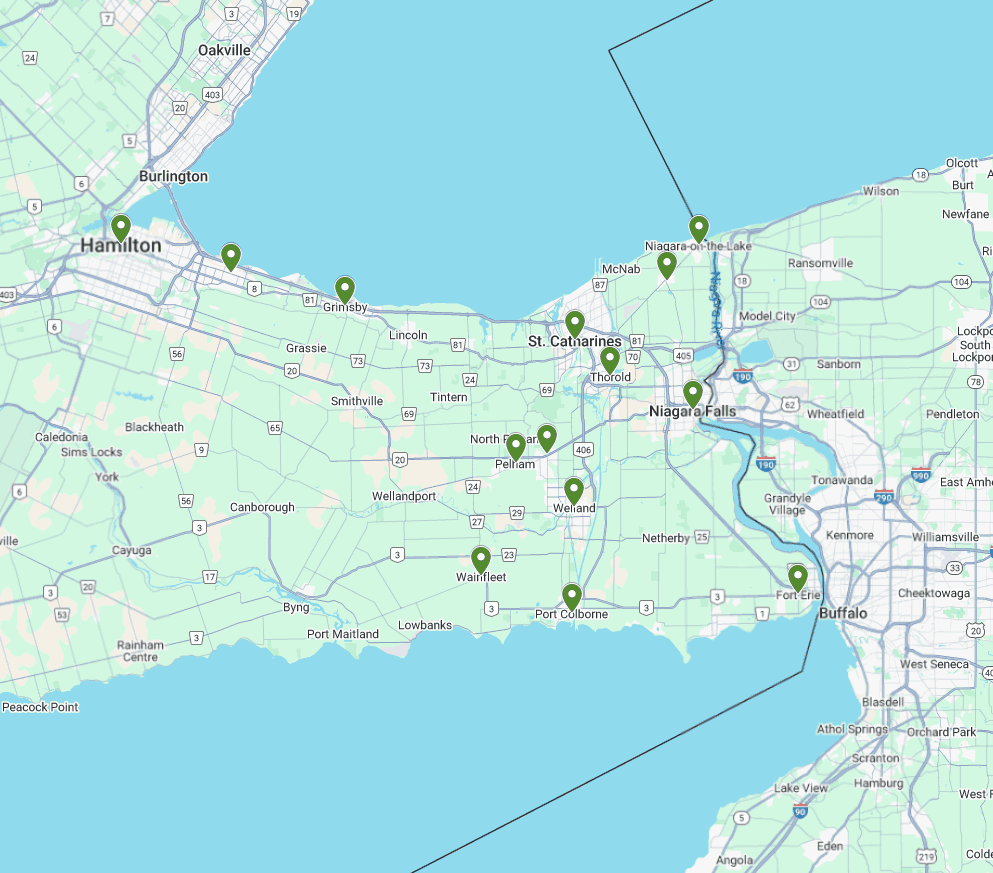
Our service areas encompass a wide range of locations, ensuring that we can meet the needs of our clients wherever they are. From bustling urban centers to serene rural landscapes, we are committed to providing top-notch services tailored to each unique environment.