



Hamilton furnace tune-ups ensure safe, efficient heating by guiding a thorough seasonal inspection, cleaning, calibration, and safety testing. Technicians assess the cabinet, burner, heat exchanger, and vents, clean and adjust components, verify gas pressure and thermostat communication, and confirm proper cycling and airflow. The service typically lasts 45–90 minutes and may vary with system type. Pricing reflects age, accessibility, and diagnostics, with a written report and follow-up maintenance guidance to protect your investment and winter comfort.
-min.jpeg)
furnace tune-up in Hamilton, ON
A professional furnace tune-up keeps your home warm, safe, and efficient through Hamilton’s cold months. With lake-effect winters and a wide mix of older and newer homes across the city, furnaces here work hard and benefit from a thorough seasonal inspection. A tune-up addresses common pain points — unexpected breakdowns on the coldest nights, rising energy bills, poor indoor comfort, and potential safety hazards — by restoring reliable operation and extending equipment life.
What a comprehensive furnace tune-up covers
Below is the step-by-step checklist technicians follow during a full furnace tune-up. Each step is designed to diagnose, clean, calibrate, test, and optimize system performance.
- Inspection
- Visual inspection of the furnace cabinet, burner assembly, heat exchanger, flue/venting, and electrical connections.
- Check for signs of corrosion, rust, soot, or water damage that are common in homes exposed to Hamilton’s humidity and winter road salt.
- Inspect air filters and return-air pathways for restriction.
- Cleaning
- Clean burners, pilot assembly or ignition system, and flame sensor.
- Vacuum and clean the blower compartment, motor, and accessible duct intake to remove dust and debris.
- Clear condensate lines and trap on high-efficiency units to prevent clogs and freeze-ups.
- Calibration and adjustments
- Adjust burner and gas pressure (when applicable) to factory specifications for clean combustion.
- Calibrate thermostat settings and check communication with the furnace controller.
- Lubricate motors and moving components where required.
- Safety and performance tests
- Carbon monoxide and combustion-efficiency testing to ensure safe, complete combustion.
- Pressure and leak checks for gas lines and connections.
- Draft and venting verification to ensure flue gases are properly exhausted.
- Performance optimization
- Verify airflow and static pressure; recommend or adjust filter type and size to balance efficiency and indoor air quality.
- Test and confirm proper cycling, heat rise, and temperature uniformity across living spaces.
- Provide recommendations for zoning, air sealing, or thermostat programming to reduce run time.
- Documentation
- Deliver a written service report detailing findings, measurements, adjustments, and recommended next steps for repairs or parts replacement.
Typical service duration
Most furnace tune-ups in Hamilton homes take between 45 minutes and 90 minutes. Duration depends on system type and condition:
- Standard mid-efficiency furnace with easy access: ~45–60 minutes.
- High-efficiency condensing furnaces or older, hard-to-reach units: 60–90 minutes.
- If repairs or parts replacement are required, additional time will be needed.
About cost and what affects pricing
Rather than a fixed number, tune-up pricing depends on several local and system-specific factors:
- Age and model of the furnace (older units often need more labor and parts).
- Type of system (standard efficiency vs high-efficiency condensing, forced-air vs ducted heat pump hybrids).
- Accessibility (basement, utility closets, or closet installations can add complexity).
- Extent of cleaning or repairs discovered during inspection (for example blocked condensate lines, corroded burners, or a cracked heat exchanger).
- Inclusion of advanced diagnostics (combustion analysis, carbon monoxide meter readings, or airflow testing).
Technicians typically provide a clear service report listing any additional items that affect cost so you can make informed decisions.
Recommended frequency
- Annual tune-up before the heating season (early fall) is the industry standard and the best timing for Hamilton homes to prepare for winter demand.
- Twice-yearly inspections may be warranted for older systems, rental properties, or homes that have had repeated issues.
- High-efficiency condensing units benefit from annual professional checks plus a mid-season visual check to catch condensate or drain problems that can develop in wet, cold conditions.
What to expect in performance and energy savings
A properly performed tune-up restores safe, efficient operation and often produces measurable benefits:
- Improved heating efficiency and shorter run times: routine maintenance commonly reduces energy waste and can lower heating costs over a season, depending on the furnace condition and fuel prices.
- More consistent indoor temperatures and fewer on/off cycles, which improves comfort and reduces wear.
- Reduced risk of mid-winter breakdowns through early detection of failing parts.
- Extended equipment lifespan by reducing strain on motors and controls.Outcomes vary by system age and condition, but homeowners typically notice quieter operation and more reliable heating after a tune-up.
Safety checks and compliance
Safety is a primary goal of every tune-up:
- Carbon monoxide (CO) tests and combustion checks confirm that the furnace is burning fuel safely and venting correctly.
- Gas line and pressure checks reduce the chance of leaks.
- Heat exchanger inspection looks for cracks that can cause dangerous combustion byproducts to enter the home.Technicians document safety test results so you have a record for home maintenance and peace of mind.
Guarantees and follow-up support
Professional tune-up services commonly include:
- A workmanship guarantee or warranty on parts installed during the service, and a clear statement of covered items and durations.
- A post-service report summarizing findings, measurements, and suggested maintenance schedule.
- Follow-up support such as priority scheduling for needed repairs, reminders for the next annual tune-up, and guidance on maintenance steps homeowners should take between services (filter changes, keeping vents clear, thermostat programming tips).These elements protect your investment and ensure the benefits of the tune-up endure.
Preparing your home for a tune-up
To make the visit efficient and effective:
- Ensure clear access to the furnace area by removing stored items and boxes.
- Replace disposable air filters if heavily soiled (or have the current filter available for inspection to determine if replacement is needed).
- Note any recent performance issues (strange noises, uneven heating, frequent cycling, or any alarm events) to share with the technician.
A seasonal furnace tune-up tailored to Hamilton conditions reduces energy waste, improves comfort, and keeps your system running safely when you need it most. Regular, documented maintenance is one of the most cost-effective ways to protect your heating system and your home from unexpected cold-weather failures.

Customer Testimonials

Lifesavers!! The AC in our house decided to quit the day we were passing the keys to the new owners!! Instead of making a service call to the house, John coached me through the minor repair over the phone, saving me the money and time waiting for a repair person to come.Much appreciated! Thanks again John

We had an amazing experience getting our new furnace installed with Niagara Home Heating. The owner was very helpful, their quote was more then competitive and the technician who installed the unit was professional and friendly. I would recommend their services.
Very efficient company. I needed an old solar water heater removed from my roof. They were quick to book an appointment for the next day after I sent photos. They were very knowledgeable of the issue. The 2 guys that came were friendly and competent with the job, including removal of all parts.
I had an issue with my hot water tank and called Niagara Home Heating. Their service was fantastic and reasonably priced—exactly how a business should be run!
I have used Niagara Home heating for multiple projects for over 16 years. John and his staff are absolutely the best. I tell all my friends and family about Niagara Home Heating because you won’t get any better service or pricing anywhere in Niagara. He has saved me thousands and thousands of dollars and has never let me down.
I called John today at 2:pm as my AC was not working and I wasn’t expecting even a call back as I knew with this hot weather we have had he would be swamped with calls. Well he called me back and showed at 8:pm on the same day to fix my AC. That is just incredible service and how much John really cares about his clients. Thank you John !

Service Areas
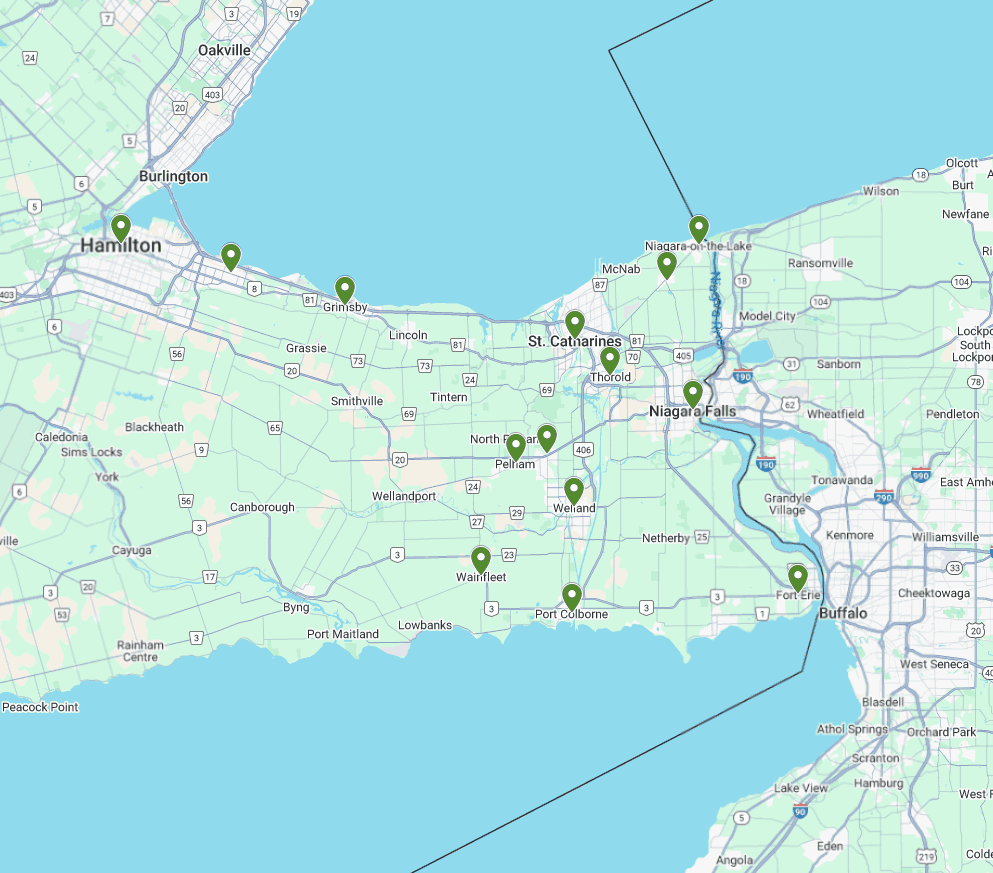
Our service areas encompass a wide range of locations, ensuring that we can meet the needs of our clients wherever they are. From bustling urban centers to serene rural landscapes, we are committed to providing top-notch services tailored to each unique environment.