



Furnace repair in Hamilton, ON delivers symptom-based diagnostics, transparent estimates, and dependable repairs to restore warmth during harsh winters. The service describes common furnace problems, identifies key components to repair or replace, and describes typical turnaround times from same-day diagnostics to parts-in hand replacements. It provides safety-focused troubleshooting steps, guidance on repairing versus replacing, and maintenance recommendations to extend system life. The goal is clear communication, fair pricing, and lasting comfort through professional, local furnace repair expertise.

furnace repair in Hamilton, ON
A reliable furnace is essential for Hamilton homes through long, lake-effect winters and sudden cold snaps. When your heating system falters—no heat, strange noises, or rising energy bills—you need clear diagnostics, dependable repairs, and honest guidance on whether to repair or replace. This page explains symptom-based diagnostics, common component repairs and replacements, expected turnaround times, transparent estimate practices, workmanship guarantees, practical troubleshooting, and how to decide between repair and replacement for furnace repair in Hamilton, ON.
Why timely furnace repair matters in Hamilton
Hamilton experiences cold winters and variable conditions because of proximity to Lake Ontario. High heating demand and older housing stock increase wear on furnaces. Delaying repair can lead to more expensive failures, reduced efficiency, uneven heating, and safety hazards such as carbon monoxide risks. Timely service restores comfort, lowers fuel costs, and protects home safety.
Common furnace problems we diagnose (symptom-based approach)
Technicians use symptoms to guide diagnostics so repairs are focused and efficient. Common issues seen in Hamilton homes include:
- No heat at all (furnace won’t start or short-cycles)
- Furnace runs but produces weak or lukewarm air
- Intermittent or frequent on/off cycling (short cycling)
- Loud banging, rattling, or humming noises
- Thermostat not communicating or inaccurate temperatures
- Blower fan not running or weak airflow
- Ignition failures (failed ignitor or pilot issues)
- Unusual smells (burning, stale, or gas odor)
- Elevated energy bills with no weather-related cause
- Safety-related alerts: carbon monoxide alarms or flame rollout
Typical components repaired or replaced
Hamilton furnaces commonly need attention to these parts:
- Ignitors and pilot assemblies — brittle or failing with age
- Blower motors and belts — reduced airflow or noisy operation
- Thermostats and sensors — miscalibration or communication faults
- Control boards and relays — failure of system logic or intermittent operation
- Gas valves and flame sensors — ignition and combustion issues
- Limit switches and pressure switches — safety shutdowns or restricted airflow
- Ductwork issues and filters — blockages or leaks causing poor performance
Diagnostic process — what to expect
A structured diagnostic reduces guesswork and unnecessary costs:
Technicians will always prioritize safety issues (e.g., suspected CO, gas leaks, or a cracked heat exchanger) and outline immediate steps to secure the home.
Expected turnaround times
- Diagnostics: Most symptom-based diagnostics are completed the same visit (30–90 minutes) depending on access and system complexity.
- Minor repairs (ignitor, sensor, thermostat): Often completed same day when parts are on hand.
- Component replacements (control board, blower motor): Typically completed within 24–72 hours depending on parts availability.
- Major repairs requiring special-order parts: May take several days; technicians will provide a timeline and interim safety measures.
Hamilton’s proximity to parts suppliers and regional warehouses often allows quicker access to common parts, shortening wait times for many repairs.
Transparent pricing and estimates
Honest, itemized estimates help homeowners make informed decisions:
- Diagnostics fee structure is clarified up front and applied to repair cost if you proceed.
- Quotes list parts, labor, and any disposal fees separately.
- Technicians explain options (repair now, temporary fix, or replacement) with projected life expectancy and energy impact.
- Pricing practices avoid hidden fees; emergency or after-hours service is disclosed if applicable.
Workmanship guarantees and parts warranty
Repairs include clear workmanship guarantees and parts warranty information:
- Labor warranties typically cover workmanship for a defined period.
- Parts warranties vary by manufacturer; technicians will identify warranty terms.
- Post-repair testing and documentation confirm safe, efficient operation.
Troubleshooting tips you can do safely
Before calling for service, these checks can save time:
- Replace clogged air filters (monthly during heavy use).
- Check thermostat power, batteries, and correct mode (heat vs cool).
- Ensure furnace switches and circuit breakers are on.
- Keep vents and returns unobstructed.
- Never ignore a CO alarm; evacuate and seek emergency support if it activates.If basic checks don’t restore normal operation, professional diagnostic is recommended.
Repair vs replacement — practical criteria for Hamilton homes
Consider replacement when one or more of the following apply:
- Furnace age is 15 years or older and efficiency is low.
- Repeated repairs in a single season or escalating frequency of breakdowns.
- Repair cost approaches a significant percentage of replacement cost (industry guideline often 50% or more).
- Safety concerns: cracked heat exchanger, persistent combustion issues, or failed safety devices.
- Significant energy bill increases despite routine maintenance.Replacement often yields improved comfort, reliable heat during Hamilton’s coldest periods, and lower operating costs with modern high-efficiency equipment.
Repair is a reasonable choice when:
- Issue is isolated, affordable, and not indicative of broader system decline.
- The furnace is newer and in generally good condition.
- Immediate budget constraints make temporary repair necessary until replacement is planned.
Maintenance and lifetime care
Regular maintenance prolongs furnace life and reduces emergency repairs:
- Annual professional tune-up before the heating season
- Monthly filter checks in winter; more often if pets or renovation dust are present
- Keep combustion air intake and exhaust vents clear of snow and debris
- Schedule duct inspection and sealing for improved efficiency
- Consider programmable or smart thermostats for better control and savings
ConclusionFurnace repair in Hamilton, ON requires timely, transparent, and safety-focused service to handle the demands of local winters. Symptom-based diagnostics, targeted component repairs, clear estimates, and workmanship guarantees help homeowners restore reliable heat and make confident choices about repair versus replacement. Regular maintenance and prompt attention to warning signs keep systems running efficiently and safely throughout the season.

Customer Testimonials

Lifesavers!! The AC in our house decided to quit the day we were passing the keys to the new owners!! Instead of making a service call to the house, John coached me through the minor repair over the phone, saving me the money and time waiting for a repair person to come.Much appreciated! Thanks again John

I called John today at 2:pm as my AC was not working and I wasn’t expecting even a call back as I knew with this hot weather we have had he would be swamped with calls. Well he called me back and showed at 8:pm on the same day to fix my AC. That is just incredible service and how much John really cares about his clients. Thank you John !
I have used Niagara Home heating for multiple projects for over 16 years. John and his staff are absolutely the best. I tell all my friends and family about Niagara Home Heating because you won’t get any better service or pricing anywhere in Niagara. He has saved me thousands and thousands of dollars and has never let me down.
I had an issue with my hot water tank and called Niagara Home Heating. Their service was fantastic and reasonably priced—exactly how a business should be run!
We had an amazing experience getting our new furnace installed with Niagara Home Heating. The owner was very helpful, their quote was more then competitive and the technician who installed the unit was professional and friendly. I would recommend their services.
Very efficient company. I needed an old solar water heater removed from my roof. They were quick to book an appointment for the next day after I sent photos. They were very knowledgeable of the issue. The 2 guys that came were friendly and competent with the job, including removal of all parts.

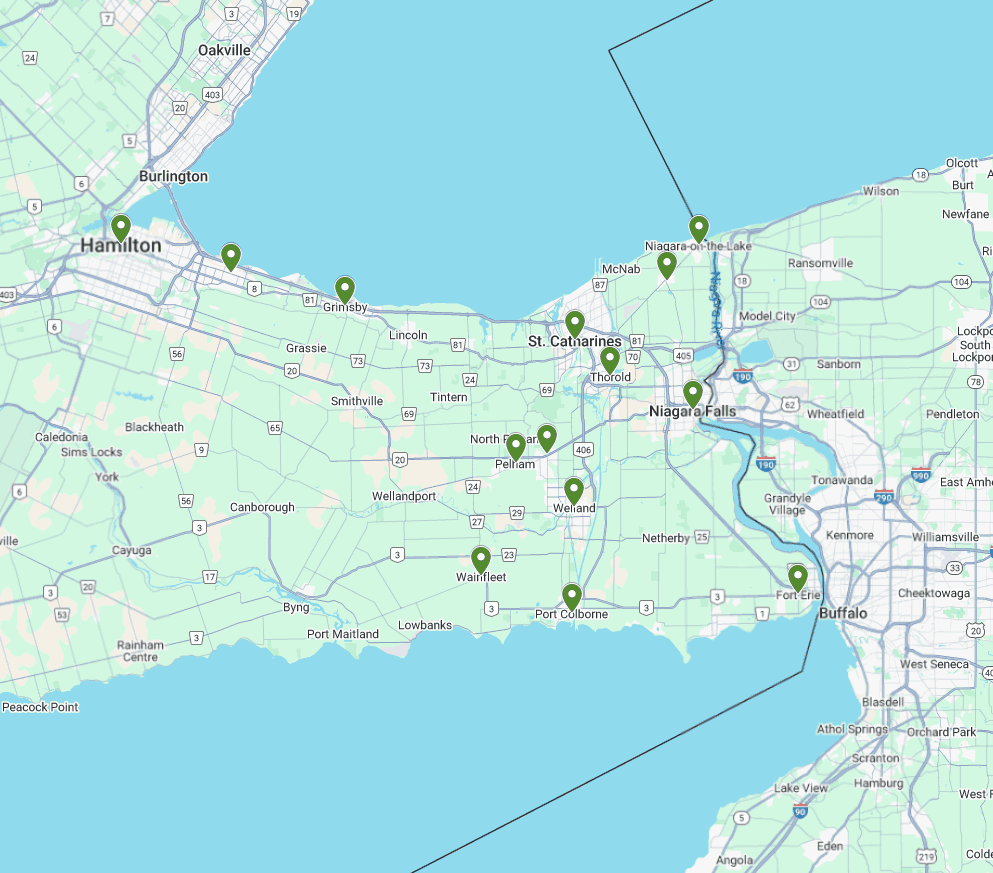
Service Areas
Our service areas encompass a wide range of locations, ensuring that we can meet the needs of our clients wherever they are. From bustling urban centers to serene rural landscapes, we are committed to providing top-notch services tailored to each unique environment.