



Emergency furnace repair services in Niagara On The Lake provide rapid, 24/7 on-site response to no-heat, gas odor, CO alarms, and other urgent furnace issues. The guide describes common scenarios, the fast triage and dispatch process, on-site diagnostics, temporary stabilization steps, safety checks for carbon monoxide and gas leaks, and transparent pricing expectations. It also includes preparation tips for homeowners, what to expect during arrival, and how timely action protects homes, reduces damage, and restores warmth and comfort.
.jpeg)
Furnace Emergency-furnace-repair in Niagara On The Lake, ON
When your furnace fails in the middle of a cold Niagara On The Lake night, the situation moves from inconvenient to urgent quickly. A 24/7 emergency furnace repair service specializes in fast, practical fixes that restore heat, protect your home, and prioritize safety. This page explains the most common emergency furnace problems in Niagara On The Lake, ON, how emergency teams respond, the on-site diagnostic and temporary stabilization steps you can expect, essential safety checks (including carbon monoxide precautions), what transparent emergency pricing looks like, and clear instructions to prepare before contacting an emergency technician.
Why emergency furnace repair matters in Niagara On The Lake
Niagara On The Lake experiences long, wet winters and recurring cold snaps influenced by lake effect weather. Many homes are older or heritage-style, where aging furnaces and dated ducting can be pushed beyond limits during peak cold. Rapid-response furnace repair limits property damage from frozen pipes, prevents prolonged exposure to unsafe indoor temperatures, and addresses hazards such as carbon monoxide (CO) or gas leaks. Prompt action can also avoid more costly full-system failures later.
Common emergency furnace scenarios in Niagara On The Lake, ON
- No heat at all despite thermostat calling for heat — often caused by power issues, failed ignition, control board faults, or blocked exhaust.
- Furnace cycling on and off rapidly (short cycling) — possible causes: overheating from airflow restriction, flame sensor issues, or failing limit switch.
- Loud or unusual noises (banging, rattling, high-pitched squeal) — can signal failing motors, cracked heat exchangers, or loose components.
- Repeated safety shutoffs or lockouts — triggered by flame sensing problems, pressure switch failures, blocked condensate drains, or venting issues.
- Odor of gas or a persistent sulfur/rotting-egg smell — indicates a possible gas leak requiring immediate evacuation and utility intervention.
- Carbon monoxide alarm activation or symptoms (headache, nausea, dizziness) — requires immediate evacuation and a professional safety inspection.
Rapid-response protocol you should expect
- Priority dispatch 24/7 with an estimated arrival window and technician credentials.
- Quick intake questions to triage severity: presence of CO alarm, smell of gas, number of occupants, and access details for your property.
- Arrival with the right tools and common replacement parts for on-site troubleshooting and temporary fixes.
- Clear, calm communication about observed hazards and recommended next steps before any repairs begin.
On-site diagnostics and temporary stabilization measures
- Visual and electronic inspection of the furnace, venting, gas connections, electrical supply, and thermostat.
- Safety-focused checks: CO detector readings, gas leak detection, and combustion analysis when needed.
- Diagnostics typically include testing ignition systems (pilot or electronic), flame sensors, pressure switches, limit switches, and blower motors.
- Temporary stabilization options:
- Resetting and testing control systems and safety interlocks.
- Cleaning or bypassing a clogged condensate trap to stop repeated shutdowns.
- Replacing a low-cost part (thermostat, fuse, flame sensor) to get heat back while ordering hard-to-source components.
- Isolating and securing minor gas or venting issues until permanent repairs can be made.
- If a permanent repair or replacement is required that cannot be completed immediately, technicians will implement measures to keep occupants safe and reduce cold exposure while arranging follow-up work.
Safety checks and carbon monoxide precautions
- If a CO alarm is sounding or occupants have symptoms, evacuate the home immediately. CO is odorless and can be life-threatening.
- Never assume a faint smell of gas is harmless. If you suspect a gas leak, evacuate and contact local emergency services or your gas utility from a safe location.
- Technicians will check the heat exchanger for cracks, verify combustion and venting performance, and use electronic CO monitors to confirm safe indoor air.
- Confirm that home CO and smoke alarms are functional; technicians often advise or install temporary monitoring if needed.
What transparent emergency pricing looks like
- Emergency service pricing should be presented clearly: a description of the call-out or after-hours fee, a diagnostic fee (if separate), labor rate for emergency hours, and the cost range for common parts or temporary fixes.
- Expect a written estimate for any repair work beyond basic stabilization before significant parts or labor are used.
- For urgent safety work (gas shutoff, CO mitigation), technicians may perform immediate measures and document costs, then follow up with detailed options and written pricing for permanent repairs.
- Transparency also means explaining alternatives: temporary repair now with a follow-up permanent fix, or replacing a failing furnace when repairs will be short-lived.
Clear instructions to prepare before contacting an emergency team
- Note the symptoms: no heat, noises, cycling, CO alarm, or gas smell, and the time the issue began.
- Locate furnace model and serial number, and have recent maintenance records available if possible.
- Ensure safe access: unlock gates, provide alarm codes or lockbox details, and secure pets.
- If CO alarm is active or you smell gas: evacuate immediately and call local emergency services or your gas utility from a safe location. Do not re-enter until cleared.
- If safe to do so, turn off the furnace at the thermostat or breaker only if instructed; otherwise leave systems as they are for diagnostic purposes.
- Prepare to describe household vulnerabilities (infants, elderly, medical needs) so technicians can prioritize warming or temporary solutions.
Why timely emergency repair saves money and protects your home
- Quick stabilization reduces the risk of frozen pipes, damaged ductwork, and secondary water damage from failed condensate lines.
- Addressing safety-related issues like CO exposure or gas leaks prevents catastrophic health and legal consequences.
- Early diagnosis of root causes helps avoid repeated service calls; technicians can recommend upgrades or replacements for reliability, efficiency, and peace of mind.
Maintenance and prevention to reduce emergency calls
- Annual furnace inspections before winter catch worn parts, blocked vents, and weak components that commonly fail under cold loads.
- Replace filters regularly and keep return vents clear to prevent airflow-related shutdowns.
- Maintain clear outdoor venting and exhaust paths, especially after heavy snowfall or drifting caused by lake-effect conditions.
- Install and test CO and smoke detectors on every level of the home and near sleeping areas.
A dependable 24/7 emergency furnace repair plan for Niagara On The Lake homes balances speed, safety, and clear pricing. Knowing what to expect from rapid-response protocols and how to prepare before an emergency team arrives helps protect your household, avoid unnecessary expenses, and restore comfort quickly during the coldest nights.

Customer Testimonials

I had an issue with my hot water tank and called Niagara Home Heating. Their service was fantastic and reasonably priced—exactly how a business should be run!

I called John today at 2:pm as my AC was not working and I wasn’t expecting even a call back as I knew with this hot weather we have had he would be swamped with calls. Well he called me back and showed at 8:pm on the same day to fix my AC. That is just incredible service and how much John really cares about his clients. Thank you John !
We had an amazing experience getting our new furnace installed with Niagara Home Heating. The owner was very helpful, their quote was more then competitive and the technician who installed the unit was professional and friendly. I would recommend their services.
Lifesavers!! The AC in our house decided to quit the day we were passing the keys to the new owners!! Instead of making a service call to the house, John coached me through the minor repair over the phone, saving me the money and time waiting for a repair person to come.Much appreciated! Thanks again John
I have used Niagara Home heating for multiple projects for over 16 years. John and his staff are absolutely the best. I tell all my friends and family about Niagara Home Heating because you won’t get any better service or pricing anywhere in Niagara. He has saved me thousands and thousands of dollars and has never let me down.
Very efficient company. I needed an old solar water heater removed from my roof. They were quick to book an appointment for the next day after I sent photos. They were very knowledgeable of the issue. The 2 guys that came were friendly and competent with the job, including removal of all parts.

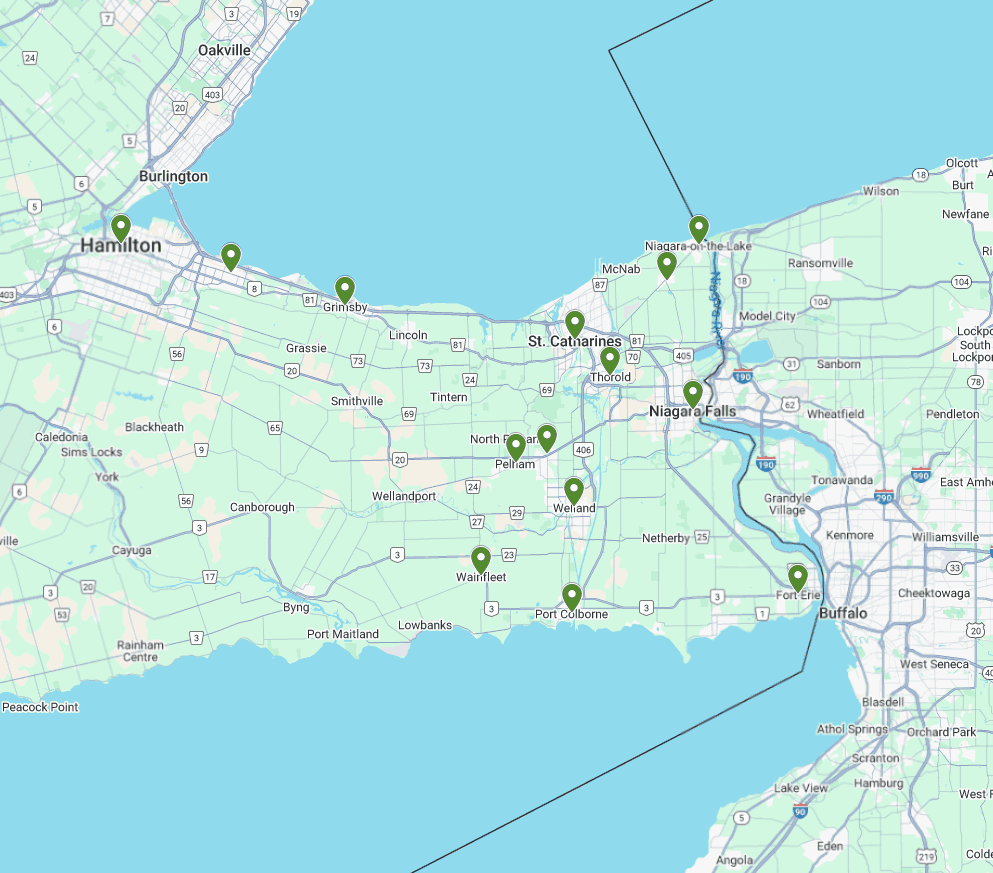
Service Areas
Our service areas encompass a wide range of locations, ensuring that we can meet the needs of our clients wherever they are. From bustling urban centers to serene rural landscapes, we are committed to providing top-notch services tailored to each unique environment.