



Niagara-on-the-Lake heating tune-up services describes a safety-centered, efficiency-boosting maintenance process for furnaces, boilers, and heat pumps. It describes why regular inspections matter in cold, damp lake regions with heritage homes and aging ductwork, detailing a comprehensive checklist—from safety inspections to combustion analysis, airflow balancing, and final reporting. It also describes expected outcomes, service packages, scheduling guidance, and practical tips to preserve performance between visits, emphasizing safer operation and longer equipment life. A clear maintenance plan helps homeowners prepare for winter.
.jpeg)
Heating tune-up in Niagara On The Lake, ON
A proper heating tune‑up is the most cost‑effective step homeowners in Niagara On The Lake can take to avoid mid‑winter breakdowns, reduce energy bills, and keep family members safe from carbon monoxide exposure. With cold, lake‑moderated winters, older heritage houses, and seasonal humidity that can accelerate corrosion, regular professional maintenance of furnaces, boilers and heat pumps protects comfort, efficiency, and equipment life.
Why a tune‑up matters for Niagara On The Lake homes
- Niagara On The Lake sees prolonged cold snaps and frequent freeze‑thaw cycles. These conditions make worn components and clogged filters show symptoms faster than in milder climates.
- Many homes here are older and may have legacy ductwork, natural gas furnaces, or cast‑iron boilers that need careful inspection and servicing to perform reliably.
- Proper tune‑ups address safety risks (combustion integrity, CO) that become more critical when families run systems for long periods.
Common heating problems we see in NOTL
- Reduced heat output and uneven room temperatures caused by dirty filters, blocked vents, or imbalanced airflow.
- Short cycling and frequent on/off cycles from dirty burners, poor airflow, or faulty thermostats.
- Elevated utility bills due to inefficient combustion, worn motors, or failing components.
- Ignition or pilot control issues on older furnaces and boilers.
- Corrosion, condensate line blockages, or trapped air in hydronic systems in lakeside, high‑humidity properties.
- Undetected carbon monoxide leaks from degraded heat exchangers or flue problems.
Typical heating tune‑up checklist
A complete tune‑up follows a systematic, safety‑first process to diagnose, clean, adjust, and report on your system’s health. Core items include:
- Safety inspection
- Visual check of cabinet, venting, gas lines, and clearances.
- Verify flame appearance and stability.
- Combustion and carbon monoxide (CO) checks
- Measure combustion efficiency where applicable and test for CO at the appliance and living spaces.
- Confirm proper draft and venting to the outdoors.
- Clean burners, coils and heat exchangers
- Remove soot, dust and debris from burners and heat transfer surfaces to restore efficiency.
- Electrical and control checks
- Inspect wiring, relays, fuses, and safety switches for wear or faulty connections.
- Verify proper operation of limit controls and sensors.
- Lubrication and mechanical maintenance
- Lubricate motors and bearings where serviceable to reduce friction and noise.
- Thermostat calibration and system controls
- Confirm thermostat accuracy and program settings; adjust control sequence and cycle times if necessary.
- Airflow and duct checks
- Measure and balance airflow, inspect accessible ductwork for major leaks or obstructions, and verify return air paths.
- Filter and condensate maintenance
- Replace or recommend filter type and schedule; check condensate drains and pan for clogs and corrosion.
- Performance optimization
- Measure temperature rise (furnaces) or delta T (heat pumps), fine‑tune gas pressure/air mixture, and verify efficiency improvements.
- Final system test and documentation
- Run the system through a full cycle, record key measurements, and provide a written summary of findings and recommended actions.
What to expect after a tune‑up
- Improved efficiency: Cleaner burners, calibrated controls, and correct airflow typically restore lost efficiency and can lower heating costs.
- Lower risk of breakdowns: Identifying worn parts and correcting causes of stress reduces the chance of emergency failures during cold spells.
- Safer operation: Combustion testing and CO checks reduce the risk of dangerous leaks or improper venting.
- Longer equipment life: Routine cleaning, lubrication, and adjustments help avoid premature failure of major components.
- Quieter, more consistent comfort: Proper balance and control calibration reduce noise and uneven heating.
Service packages and options (what each includes)
- Basic Tune‑Up
- Visual safety inspection, filter check/replacement, thermostat check, general cleaning, and basic performance test.
- Best for recently serviced systems needing seasonal upkeep.
- Comprehensive Tune‑Up
- All basic items plus combustion analysis, burner/coil cleaning, lubrication, duct/airflow inspection, condensate check, and written report with observations.
- Recommended annually for older or high‑usage systems.
- Annual Maintenance Plan
- Scheduled seasonal tune‑ups, priority scheduling windows, detailed service records, and recommended checklists tailored to your equipment type (furnace, boiler, heat pump).
- Ideal for heritage homes or properties where warranties require annual servicing.
Note: Package names and inclusions may vary by provider; homeowners should compare what’s inspected, tested and documented.
Scheduling, timing and what to expect on service day
- Best timing: book annual service in early fall before the heating season begins. Mid‑season service is available but may require prioritization due to higher demand during cold snaps.
- Typical visit length: 60–120 minutes depending on system complexity and whether additional repairs are needed.
- Professional approach: technicians will perform diagnostic tests, protect floors and surfaces, explain findings in plain language, and provide a maintenance report listing items serviced and any recommended repairs.
- Frequency: annual tune‑ups are the industry standard; homes with heavy use, older systems, or known issues may benefit from semi‑annual inspections.
Practical maintenance tips between tune‑ups
- Change or clean filters regularly (every 1–3 months depending on filter type and household conditions).
- Keep vents and registers unobstructed and maintain clearances around furnaces and boilers.
- For hydronic systems, bleed radiators and check expansion tanks periodically.
- Monitor for unusual sounds, odors, or cycling behavior and note when they occur to help technicians diagnose issues.
- Seal and insulate accessible ducts and consider programmable thermostats to reduce runtime.
A proper, documented heating tune‑up is an investment that pays back through lower bills, fewer emergency repairs, and safer, more reliable heating—especially important for homes in Niagara On The Lake where winter conditions and older building stock increase the stakes for dependable performance.

Customer Testimonials

Lifesavers!! The AC in our house decided to quit the day we were passing the keys to the new owners!! Instead of making a service call to the house, John coached me through the minor repair over the phone, saving me the money and time waiting for a repair person to come.Much appreciated! Thanks again John

Very efficient company. I needed an old solar water heater removed from my roof. They were quick to book an appointment for the next day after I sent photos. They were very knowledgeable of the issue. The 2 guys that came were friendly and competent with the job, including removal of all parts.
I have used Niagara Home heating for multiple projects for over 16 years. John and his staff are absolutely the best. I tell all my friends and family about Niagara Home Heating because you won’t get any better service or pricing anywhere in Niagara. He has saved me thousands and thousands of dollars and has never let me down.
I had an issue with my hot water tank and called Niagara Home Heating. Their service was fantastic and reasonably priced—exactly how a business should be run!
We had an amazing experience getting our new furnace installed with Niagara Home Heating. The owner was very helpful, their quote was more then competitive and the technician who installed the unit was professional and friendly. I would recommend their services.
I called John today at 2:pm as my AC was not working and I wasn’t expecting even a call back as I knew with this hot weather we have had he would be swamped with calls. Well he called me back and showed at 8:pm on the same day to fix my AC. That is just incredible service and how much John really cares about his clients. Thank you John !

Service Areas
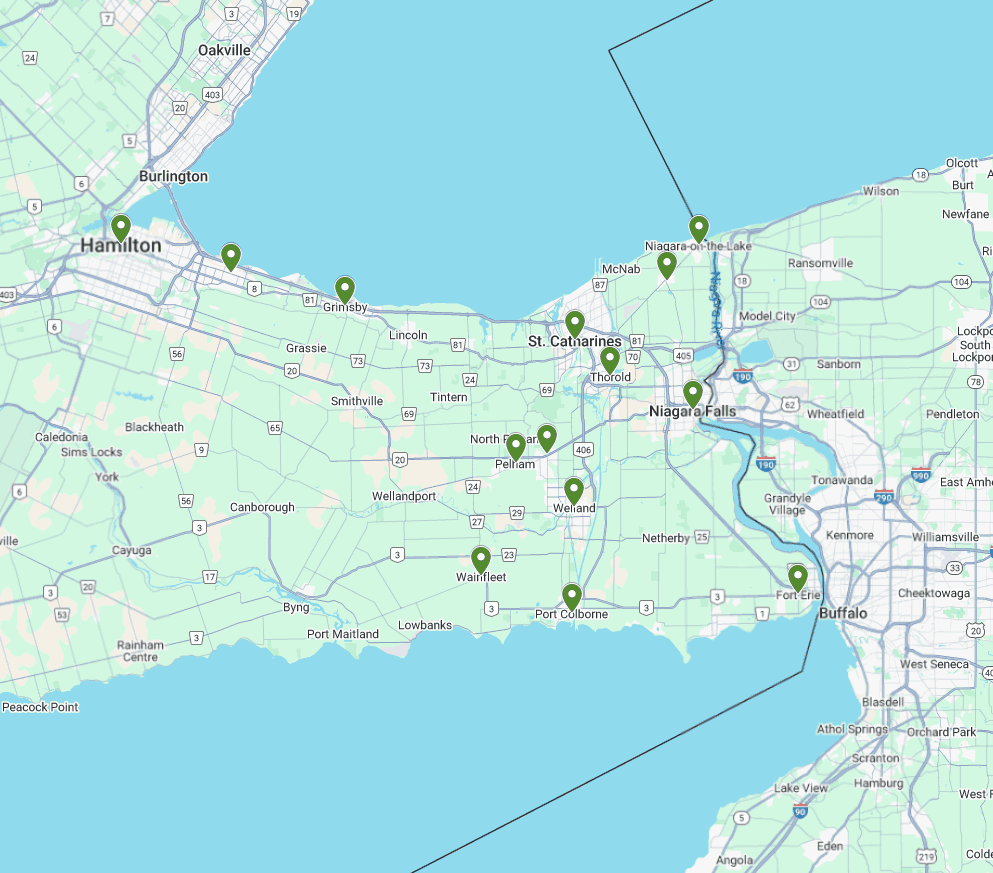
Our service areas encompass a wide range of locations, ensuring that we can meet the needs of our clients wherever they are. From bustling urban centers to serene rural landscapes, we are committed to providing top-notch services tailored to each unique environment.