



Furnace replacement for Niagara On The Lake homeowners is explained with a focus on evaluation, proper sizing, energy-efficient options, and a full installation timeline. Readers learn how to compare models, understand warranties and financing, and set realistic cost expectations. The guide covers safe removal of the old unit, venting and ductwork considerations, permits, testing, and a final walkthrough. It highlights long-term benefits like lower bills, greater reliability, and improved indoor air quality. The content also discusses financing options and typical timelines across common home types.
-min.jpeg)
Furnace Replacement in Niagara On The Lake, ON
Replacing an aging furnace is one of the biggest decisions for Niagara On The Lake homeowners during the heating season. A properly sized, energy-efficient furnace reduces heating bills, improves comfort in drafty historic homes, and eliminates frequent breakdowns that are especially costly during the region’s cold, lake-effect winters. This page explains the full furnace replacement process — from evaluation and model comparison to installation timeline, warranties, financing and cost expectations — so you can decide with confidence whether replacement is the right move for your home.
Why homeowners in Niagara On The Lake choose furnace replacement
- Older systems struggle in long, cold winters and can drive up natural gas bills.
- Historic and stone homes in NOTL often have unique heat loss characteristics that need a modern solution.
- Condensing high-efficiency furnaces are more sensitive to humidity and ventilation; correct selection reduces corrosion and condensate issues common near the lake.
- Safety concerns such as cracked heat exchangers or repeated carbon monoxide trips make replacement the prudent option.
Common signs replacement is the best option
- Furnace age is 15 to 20+ years with multiple repairs in recent seasons.
- Repeated breakdowns or costly component failures.
- Rising heating bills despite regular service.
- Uneven heating, cold spots, or difficulty maintaining set temperature.
- Rust, visible cracks in the heat exchanger, or persistent carbon monoxide alarm events.
- Inefficient single-stage systems not keeping up with modern thermostat controls.
System evaluation and proper sizing
A responsible replacement begins with a thorough evaluation and accurate sizing:
- Home heating load calculation (Manual J style): accounts for square footage, insulation levels, window type, orientation, and the unique construction of many NOTL homes.
- Ductwork assessment: check for leaks, insulation, and proper sizing. Old or undersized ducts are common causes of poor performance.
- Fuel and venting conditions: confirm natural gas supply, flue configuration, and whether a condensing (PVC vent) system is appropriate.
- Recommendations consider both peak heat demand and part-load performance to avoid oversized units that short-cycle.
Why sizing matters: a correctly sized furnace improves comfort, reduces wear, lowers utility bills, and preserves indoor air quality. Oversized furnaces cycle frequently; undersized systems run constantly and fail prematurely.
Comparing energy-efficient models and types
Furnace options typically fall into a few categories:
- Standard-efficiency single-stage furnaces (AFUE ~80%): lower upfront cost, simpler tech.
- Mid to high-efficiency condensing furnaces (AFUE 90%+): capture more heat, require condensate piping and PVC venting.
- Two-stage and modulating furnaces: offer better comfort and efficiency by adjusting output to demand.
- Variable-speed ECM blowers: improve airflow, reduce noise, and help humidity control.
Key selection considerations for Niagara On The Lake homes:
- Choose a model that handles lake-effect humidity without corrosion risk.
- Balance AFUE (efficiency) with expected run hours to determine payback.
- Consider compatibility with programmable or smart thermostats for additional savings.
Safe removal and disposal of the old unit
Removal follows safety and environmental best practices:
- Shut off gas and electrical supply, cap fuel lines and vents.
- Inspect for potential asbestos or hazardous materials in older installations and arrange safe abatement when needed.
- Recycle metals and dispose of refrigerants, oils or other components per Ontario and municipal regulations.
- Provide documentation of disposal for your records and home resale.
Typical installation process and steps
- Pre-install inspection and confirm permits if required.
- Prepare workspace with flooring protection; move and disconnect the old furnace.
- Modify or retrofit duct transitions, flue, and condensate drain as needed.
- Set new furnace, connect gas, electrical, venting, and control wiring.
- Commission system: gas pressure check, combustion analysis, airflow balancing, thermostat setup.
- Safety testing: carbon monoxide, flue integrity, and condensation drainage verification.
- Final walkthrough explaining operation, maintenance schedule, and warranty documents.
Timeline expectations
- Straight swap (like-for-like): most standard installations finish in one full day (4 to 8 hours).
- Upgrades requiring new venting, condensate lines, ductwork repair, or structural changes: may require 1 to 2 days or more.
- Historic homes or tight access areas can extend timelines due to custom transitions or permit requirements.
Warranty and maintenance packages
- Manufacturer warranties typically cover parts (length varies by model) and may offer limited heat exchanger warranties.
- Labour warranty covers installation workmanship for a company-defined period.
- Recommended maintenance plans include annual tune-ups, priority scheduling, and filter reminders. Regular preventive service preserves efficiency, reduces emergency breakdowns, and helps maintain warranty validity.
- Keep records of service visits; they support warranty claims and improve resale value.
Financing and rebates relevant to Niagara On The Lake
- Many homeowners spread the cost with financing options that allow monthly payments structured over months or years.
- Energy-efficiency rebates and incentive programs from provincial or federal programs, utilities, or manufacturers can reduce net cost. Eligibility often depends on the new system’s efficiency rating and installation details.
- When budgeting, factor in potential rebate paperwork, required pre- and post-installation documentation, and timelines for claims.
Cost estimates and factors that influence price
Costs vary based on system size, efficiency, installation complexity, and home-specific needs. Typical ranges (CAD) to consider:
- Basic furnace replacement (standard-efficiency, straightforward swap): mid-range cost.
- High-efficiency condensing furnace with basic installation: higher cost but lower long-term fuel use.
- Complex installs (duct replacement, vent relocation, conversions in older homes): significantly higher.
Factors that change the final price:
- Size and output required.
- Type of furnace and efficiency rating.
- Need for new venting or modification to flue/roof penetration.
- Ductwork repair, insulation, or balancing.
- Accessibility, permits, and required safety upgrades.
Long-term benefits and maintenance tips
Replacing an old furnace delivers:
- Lower monthly heating costs and improved comfort during long Niagara winters.
- Greater reliability and reduced emergency repairs.
- Improved indoor air quality with modern filtration and blower technology.
- Increased home value and marketability.
Simple maintenance tips to extend life and performance:
- Change filters regularly and use recommended filter MERV levels.
- Schedule annual professional tune-ups in early autumn.
- Seal and insulate accessible ductwork and add programmable thermostat scheduling.
- Keep combustion air and vents clear, and monitor for unusual noises or odors.
Choosing replacement for your Niagara On The Lake home is a balance of immediate needs, long-term energy savings, and preserving the character of local houses. A careful evaluation, correct sizing, and a professional installation tailored to regional conditions will ensure a safe, efficient, and comfortable heating system for seasons to come.

Customer Testimonials

I have used Niagara Home heating for multiple projects for over 16 years. John and his staff are absolutely the best. I tell all my friends and family about Niagara Home Heating because you won’t get any better service or pricing anywhere in Niagara. He has saved me thousands and thousands of dollars and has never let me down.

I had an issue with my hot water tank and called Niagara Home Heating. Their service was fantastic and reasonably priced—exactly how a business should be run!
We had an amazing experience getting our new furnace installed with Niagara Home Heating. The owner was very helpful, their quote was more then competitive and the technician who installed the unit was professional and friendly. I would recommend their services.
I called John today at 2:pm as my AC was not working and I wasn’t expecting even a call back as I knew with this hot weather we have had he would be swamped with calls. Well he called me back and showed at 8:pm on the same day to fix my AC. That is just incredible service and how much John really cares about his clients. Thank you John !
Very efficient company. I needed an old solar water heater removed from my roof. They were quick to book an appointment for the next day after I sent photos. They were very knowledgeable of the issue. The 2 guys that came were friendly and competent with the job, including removal of all parts.
Lifesavers!! The AC in our house decided to quit the day we were passing the keys to the new owners!! Instead of making a service call to the house, John coached me through the minor repair over the phone, saving me the money and time waiting for a repair person to come.Much appreciated! Thanks again John

Service Areas
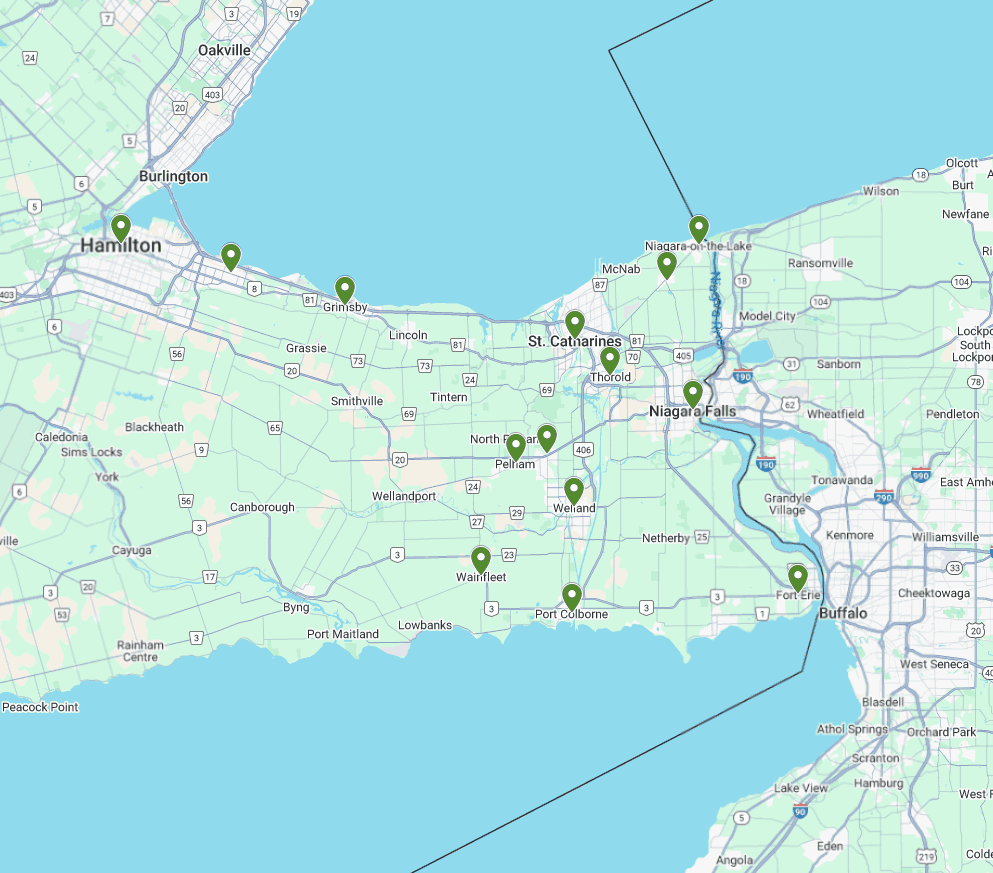
Our service areas encompass a wide range of locations, ensuring that we can meet the needs of our clients wherever they are. From bustling urban centers to serene rural landscapes, we are committed to providing top-notch services tailored to each unique environment.