



A furnace tune-up in Niagara On The Lake, ON is an essential preventive service that enhances safety, reliability, and efficiency during cold winters. The visit includes a comprehensive inspection of electrical, burner, heat exchanger, blower, and ventilation components, plus calibration, filter guidance, and a full system test. Expect a typical session to take 60 to 90 minutes. Benefits include fewer mid-winter breakdowns, lower energy bills, steadier temperatures, and extended equipment life, especially for older homes near lakefront conditions.
-min.jpeg)
Furnace Tune-Up in Niagara On The Lake, ON
A professional furnace tune-up in Niagara On The Lake, ON is the single best preventative step you can take to keep your home warm, lower heating bills, and avoid inconvenient mid-winter breakdowns. With cold, damp winters driven by proximity to Lake Ontario and many homes in the area built with older ductwork or historic construction, a thorough annual tune-up protects comfort, safety, and equipment life. This page explains exactly what a tune-up visit includes, how long it takes, what outcomes to expect, the best time to schedule, and why routine service is a smart investment for Niagara On The Lake homes.
What a furnace tune-up includes
A professional tune-up inspects and tunes critical components so your furnace runs more reliably and efficiently. A typical furnace tune-up in Niagara On The Lake, ON will include:
Visual and safety inspection
- Check for signs of corrosion, soot, or heat exchanger cracks that can create safety risks like carbon monoxide.
- Inspect venting, flue, and combustion air openings for blockages or deterioration common in lakefront and older homes.
Electrical component inspection
- Tighten and test electrical connections, relays, fuses, and safety controls to prevent intermittent failures.
- Verify safe operation of limit switches and rollout sensors.
Burner cleaning and inspection
- Remove dust and soot from burners to improve combustion and reduce soot buildup that lowers efficiency.
- Adjust flame pattern and fuel-air mixture when necessary.
Heat exchanger cleaning and check
- Clean accessible surfaces and inspect the heat exchanger for cracks or excessive buildup. Cracks are a safety concern and require immediate attention.
Blower motor, wheel, and lubrication
- Clean the blower wheel and housing to restore airflow.
- Lubricate bearings and moving parts if required to reduce wear and noise.
Filter check and recommendations
- Inspect the air filter and advise on replacement frequency or upgrade options for improved indoor air quality in homes near vineyards and orchards where seasonal allergens are common.
Thermostat calibration
- Verify thermostat accuracy and calibration so your system cycles correctly and maintains set temperatures without overworking.
Draft and venting checks
- Confirm proper draft and flue performance so combustion products are exhausted correctly, especially important in older chimney systems.
Combustion analysis and efficiency adjustments
- Measure combustion efficiency and carbon monoxide levels where applicable, then adjust burners or gas pressure to optimize performance and safety.
Overall system test
- Run the furnace through a complete operating cycle, evaluate startup, flame stability, and shutdown sequences, and document findings.
How long a tune-up takes
Most furnace tune-ups take between 60 and 90 minutes for a standard forced air system. Time can be longer if:
- The home has an older or high efficiency condensing furnace with additional components.
- The technician finds issues that require deeper cleaning, part replacement, or further diagnostics.
- Duct access is limited or extensive blower cleaning is needed.
Technicians in this region plan visits to allow thorough inspection rather than a quick checklist approach, because small hidden problems can lead to costly winter service calls.
Expected outcomes and benefits
After a professional furnace tune-up you can expect:
- Improved reliability with fewer unexpected breakdowns during cold spells.
- Energy savings. A tuned furnace can operate 5 to 15 percent more efficiently through improved combustion and airflow.
- Better comfort due to steadier temperatures and proper airflow.
- Extended equipment life by reducing wear on motors, burners, and heat exchangers.
- Enhanced safety through detection of cracked heat exchangers, blocked vents, or high carbon monoxide levels.
- Cleaner indoor air, as a well-maintained system circulates air more effectively and performs better with appropriate filters.
Seasonal timing and frequency
- Best time to schedule: early fall, before Niagara On The Lake temperatures drop and heating demand spikes. Fall tune-ups let you address issues without emergency wait times.
- Frequency: annually is standard for most furnaces. Homes with heavy use, older equipment, or significant dust and pollen may benefit from a twice yearly inspection.
Common issues discovered during tune-ups in Niagara On The Lake
- Clogged filters and restricted airflow from older duct runs
- Sooted or misaligned burners reducing heat output
- Loose electrical connections causing intermittent failures
- Corrosion on venting and flue components accelerated by lake humidity
- Thermostat miscalibration from settling or older mechanical units
- Dirty blower wheels lowering efficiency and creating uneven airflow
Each issue found during a tune-up comes with a clear explanation of the cause, recommended fix, and how the repair or adjustment restores safe, efficient operation.
What a reputable tune-up visit looks like
A professional tune-up should include:
- Technicians who protect your home with floor coverings and clean up after the visit
- A written or verbal summary of work performed and findings
- Clear recommendations for repairs or replacements if unsafe conditions are found
- Documentation of efficiency measurements or safety checks completed
Simple homeowner maintenance tips for Niagara On The Lake homes
- Change or check filters monthly during heavy heating months.
- Keep returns and vents clear of furniture and debris.
- Test carbon monoxide detectors and smoke alarms seasonally.
- Clear outdoor vent terminations of snow and debris in winter.
- Consider upgrading to a programmable or smart thermostat for better control and savings.
Regular furnace tune-ups tailored to the local climate and common building types in Niagara On The Lake protect your comfort, reduce operating costs, and give you confidence that your heating system will perform when you need it most.

Customer Testimonials

I called John today at 2:pm as my AC was not working and I wasn’t expecting even a call back as I knew with this hot weather we have had he would be swamped with calls. Well he called me back and showed at 8:pm on the same day to fix my AC. That is just incredible service and how much John really cares about his clients. Thank you John !

I had an issue with my hot water tank and called Niagara Home Heating. Their service was fantastic and reasonably priced—exactly how a business should be run!
Lifesavers!! The AC in our house decided to quit the day we were passing the keys to the new owners!! Instead of making a service call to the house, John coached me through the minor repair over the phone, saving me the money and time waiting for a repair person to come.Much appreciated! Thanks again John
I have used Niagara Home heating for multiple projects for over 16 years. John and his staff are absolutely the best. I tell all my friends and family about Niagara Home Heating because you won’t get any better service or pricing anywhere in Niagara. He has saved me thousands and thousands of dollars and has never let me down.
We had an amazing experience getting our new furnace installed with Niagara Home Heating. The owner was very helpful, their quote was more then competitive and the technician who installed the unit was professional and friendly. I would recommend their services.
Very efficient company. I needed an old solar water heater removed from my roof. They were quick to book an appointment for the next day after I sent photos. They were very knowledgeable of the issue. The 2 guys that came were friendly and competent with the job, including removal of all parts.

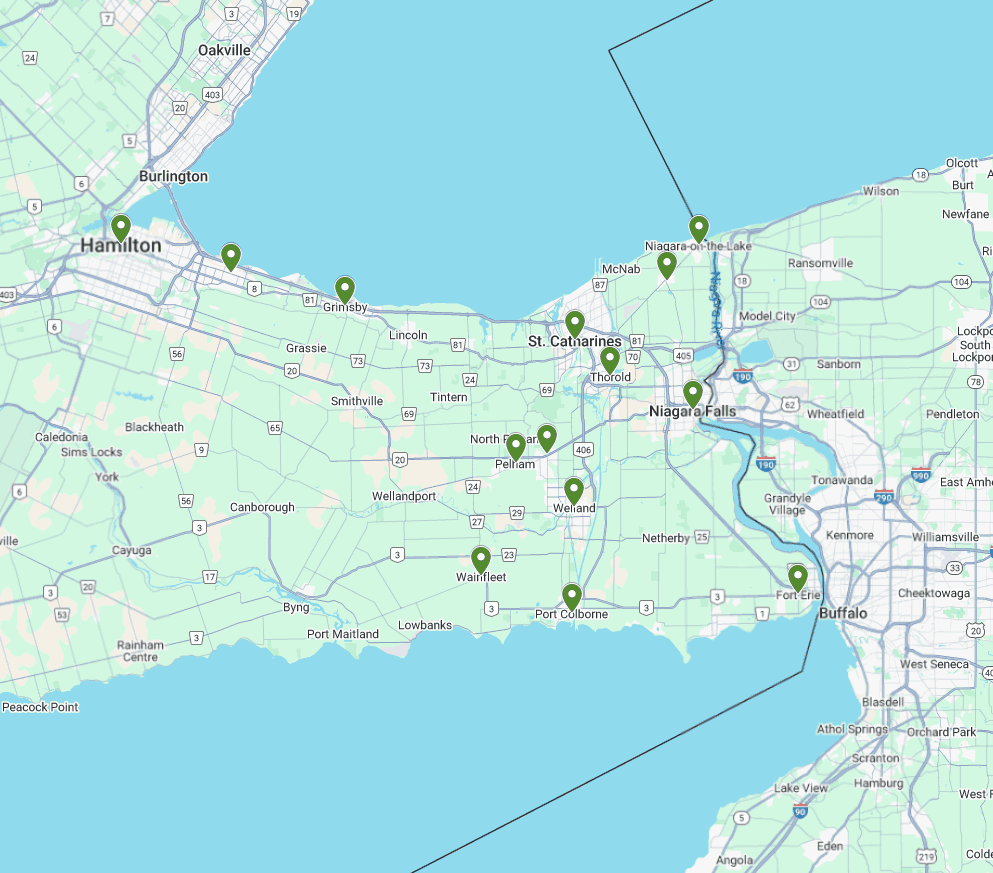
Service Areas
Our service areas encompass a wide range of locations, ensuring that we can meet the needs of our clients wherever they are. From bustling urban centers to serene rural landscapes, we are committed to providing top-notch services tailored to each unique environment.