



Heating installation in Niagara On The Lake, ON provides a comprehensive overview of choosing, sizing and installing a new system for heritage and modern homes alike. The guide covers on-site consultations, load calculations, equipment options, ductwork, zoning, and meticulous commissioning to ensure comfort, efficiency and reliability. It describes step-by-step practices, warranty handoff, financing and rebates, and long-term maintenance tips to protect historic envelopes while delivering consistent warmth and energy savings through Niagara’s climate. Readers will gain practical expectations, timelines and considerations for selecting a contractor.
Heating installation in Niagara On The Lake, ON
Replacing or installing a new heating system is a major decision for homeowners in Niagara On The Lake, ON. With cold winter nights, humid summers and many older or heritage homes in the region, the right system and a professional installation are critical for comfort, energy savings and long-term reliability. It describes the full new‑system installation process — from the initial consultation and system sizing to commissioning, warranty handoff and available financing and rebate options specific to Niagara On The Lake homeowners.
Why proper heating installation matters in Niagara On The Lake
Niagara On The Lake’s climate combines lake‑moderated winters with occasional deep cold snaps and seasonal humidity. Many homes are older, have historic envelopes, or include additions that make load calculations more complex. A properly sized, well‑installed heating system:
- Maintains even temperatures in multiple living spaces and wine-cellar like storage areas
- Reduces energy bills with high efficiency equipment and smart zoning
- Prevents moisture and condensation issues common in lakeshore properties
- Protects heritage finishes by avoiding temperature swings
Common heating installation scenarios in Niagara On The Lake
Homeowners typically seek full installations for several reasons:
- Replacing an old, inefficient furnace or boiler
- Switching from oil or electric heat to high‑efficiency natural gas or heat pump systems
- New construction or major renovations needing new ducting or hydronic systems
- Adding zoning or ductwork modifications to correct uneven heating
- Installing ductless or mini‑split systems for additions and heritage spaces where ductwork is impractical
Initial consultation, system sizing and equipment selection
A professional installation begins with an on‑site consultation and detailed assessment:
- Load calculation: A Manual J style heat loss/gain assessment considers insulation levels, window types, orientation, attic and basement conditions, and local climate factors such as lake effect moderation.
- Fuel and system options: Evaluating natural gas furnaces, high‑efficiency condensing boilers, air‑source or ground‑source heat pumps, and ductless systems based on your home’s layout and energy goals.
- Efficiency and features: Discuss AFUE, HSPF, SEER, modulating burners, variable‑speed ECM blowers, two‑stage equipment, and compatibility with smart thermostats or zoning controls.
- Ductwork and distribution: Inspect existing ducts for leaks, sizing issues and insulation needs; determine whether modifications, new trunks, or full replacement are required.
- Zoning strategy: Identify rooms or floors that benefit from separate thermostatic control, including finished basements, sunrooms, or guest suites.
Ductwork modifications and zoning options
Upgrading or installing ducts and zoning can dramatically improve comfort:
- Duct repairs and sealing: Close leakage points with mastic or mechanical connections and add insulation where ducts pass through unconditioned spaces.
- Right‑sizing ducts: Ensure proper velocity and static pressure for modern high‑efficiency equipment to avoid blower stress and noise.
- Zoning systems: Motorized dampers paired with multi‑zone thermostats deliver targeted comfort and energy savings for multi‑level or multi‑use homes.
- Alternative solutions: Ductless mini‑splits or hybrid systems offer efficient heating without invasive ductwork in older or heritage properties.
Step‑by‑step installation practices
A quality installation follows a predictable, documented process:
- Pre‑installation preparation: Protect floors, furniture and landscaping; verify permits and safety clearances.
- Equipment delivery and staging: Place new units and materials in designated, protected areas.
- Removal of old equipment: Safely disconnect and remove existing furnace, boiler or heat pump components, disposing of refrigerants and fuels per regulations.
- Mechanical and gas/plumbing connections: Install new flues, venting or condensate drains; ensure gas line capacity and proper pressure checks for fuel systems.
- Ductwork and distribution work: Fabricate and fit new ducts or modify existing runs; insulate and seal penetrations.
- Electrical and control wiring: Install thermostats, zone controls, and connect to home electrical circuits with proper breakers and safety devices.
- System startup and adjustments: Bring the system online, configure staging, blower speeds and control settings for optimal performance.
Commissioning and post‑installation testing
Commissioning verifies the system performs to specification and local safety standards:
- Combustion analysis and CO testing for gas systems to ensure safe combustion and correct venting
- Static pressure and airflow measurements to confirm proper duct performance
- Temperature rise and delta‑T checks across heat exchangers
- Leak testing for refrigerant circuits on heat pumps and pressure testing for hydronic systems
- Thermostat calibration, zone balance and control logic verification
- Documentation of installation settings, serial numbers and baseline performance readings
Warranty, maintenance handoff and homeowner orientation
A complete installation includes a professional handoff:
- Warranty registration: Provide and explain equipment and labor warranty details, coverage periods and what is required to keep warranties valid.
- Maintenance plan guidance: describes recommended service intervals, filter types and replacement schedules to preserve efficiency and lifespan.
- Homeowner orientation: Demonstrate system operation, thermostat programming, emergency shutoffs and basic troubleshooting steps.
- Transferable documentation: Deliver an installation report, test results, and copies of permits and warranty paperwork for future reference or resale.
Financing and rebates to lower upfront costs
Niagara On The Lake homeowners may qualify for various incentives that reduce installation costs:
- Federal and provincial energy efficiency rebates and grants for high‑efficiency furnaces, boilers and heat pumps
- Local utility or municipal incentives aimed at reducing peak demand and promoting electrification
- Manufacturer promotions and extended warranty options tied to registered installations
- Financing options (lent through approved lenders) for spreading equipment and installation costs over time
Check eligibility requirements, stacking rules and application timelines for each program to maximize savings.
Long‑term benefits and maintenance advice
A professionally designed and installed system delivers:
- Lower energy bills and improved comfort year‑round
- Reduced wear and longer equipment life with properly sized and commissioned systems
- Better indoor air quality through sealed ducts and correctly balanced airflows
- Simpler future upgrades and warranty protection with documented installation records
For best results in Niagara On The Lake homes, schedule annual maintenance before the heating season, use recommended filters, and consider zoning or insulation upgrades alongside new equipment to fully realize efficiency gains and preserve historic home character.
This comprehensive approach to heating installation in Niagara On The Lake, ON ensures your home stays comfortable, efficient and reliable through the region’s changing seasons while protecting your investment for years to come.

Customer Testimonials

Very efficient company. I needed an old solar water heater removed from my roof. They were quick to book an appointment for the next day after I sent photos. They were very knowledgeable of the issue. The 2 guys that came were friendly and competent with the job, including removal of all parts.

Lifesavers!! The AC in our house decided to quit the day we were passing the keys to the new owners!! Instead of making a service call to the house, John coached me through the minor repair over the phone, saving me the money and time waiting for a repair person to come.Much appreciated! Thanks again John
I have used Niagara Home heating for multiple projects for over 16 years. John and his staff are absolutely the best. I tell all my friends and family about Niagara Home Heating because you won’t get any better service or pricing anywhere in Niagara. He has saved me thousands and thousands of dollars and has never let me down.
I called John today at 2:pm as my AC was not working and I wasn’t expecting even a call back as I knew with this hot weather we have had he would be swamped with calls. Well he called me back and showed at 8:pm on the same day to fix my AC. That is just incredible service and how much John really cares about his clients. Thank you John !
We had an amazing experience getting our new furnace installed with Niagara Home Heating. The owner was very helpful, their quote was more then competitive and the technician who installed the unit was professional and friendly. I would recommend their services.
I had an issue with my hot water tank and called Niagara Home Heating. Their service was fantastic and reasonably priced—exactly how a business should be run!

Service Areas
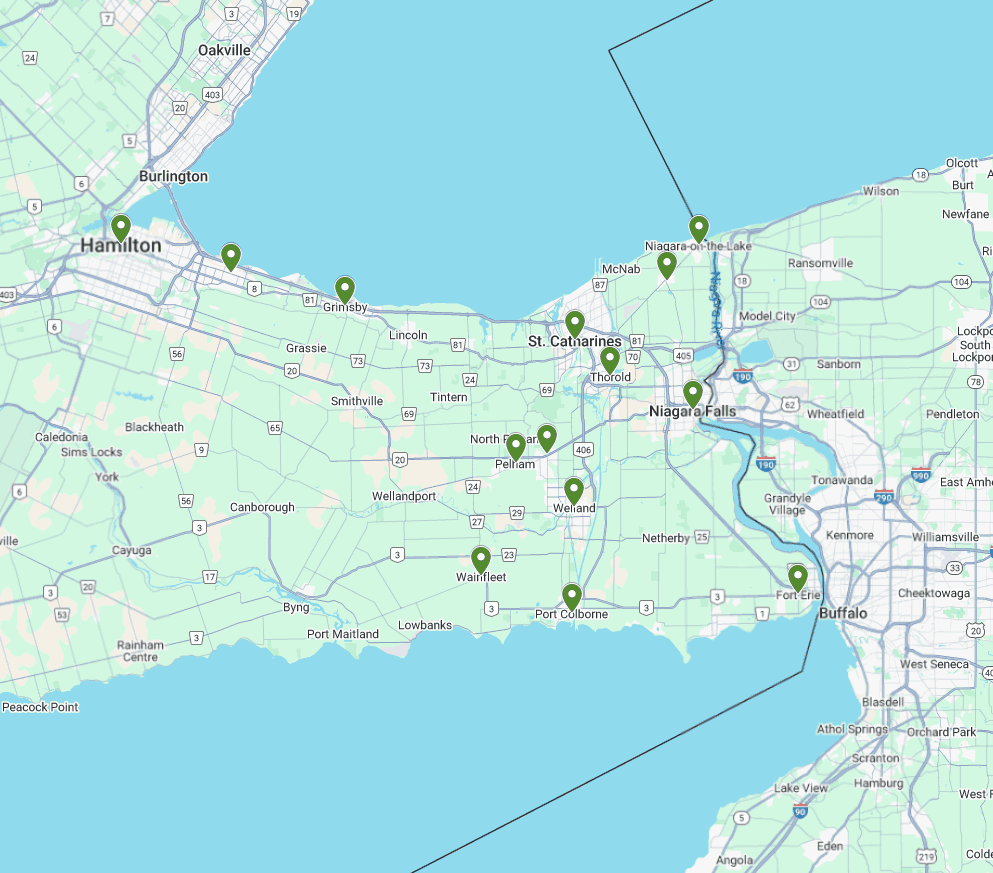
Our service areas encompass a wide range of locations, ensuring that we can meet the needs of our clients wherever they are. From bustling urban centers to serene rural landscapes, we are committed to providing top-notch services tailored to each unique environment.