



Furnace repair services in Niagara On The Lake, ON outline common faults, diagnostic approaches, and practical maintenance to keep heating systems reliable. The guide covers ignition issues, blower and thermostat faults, flame sensor and gas valve concerns, and heat exchanger risks, plus step-by-step diagnostic procedures, typical replacement parts, and realistic timelines. It also explains workmanship guarantees, safety checks, and preventive tips to reduce repeat failures, helping homeowners schedule timely repairs and maintain safe, efficient heat throughout harsh winters.
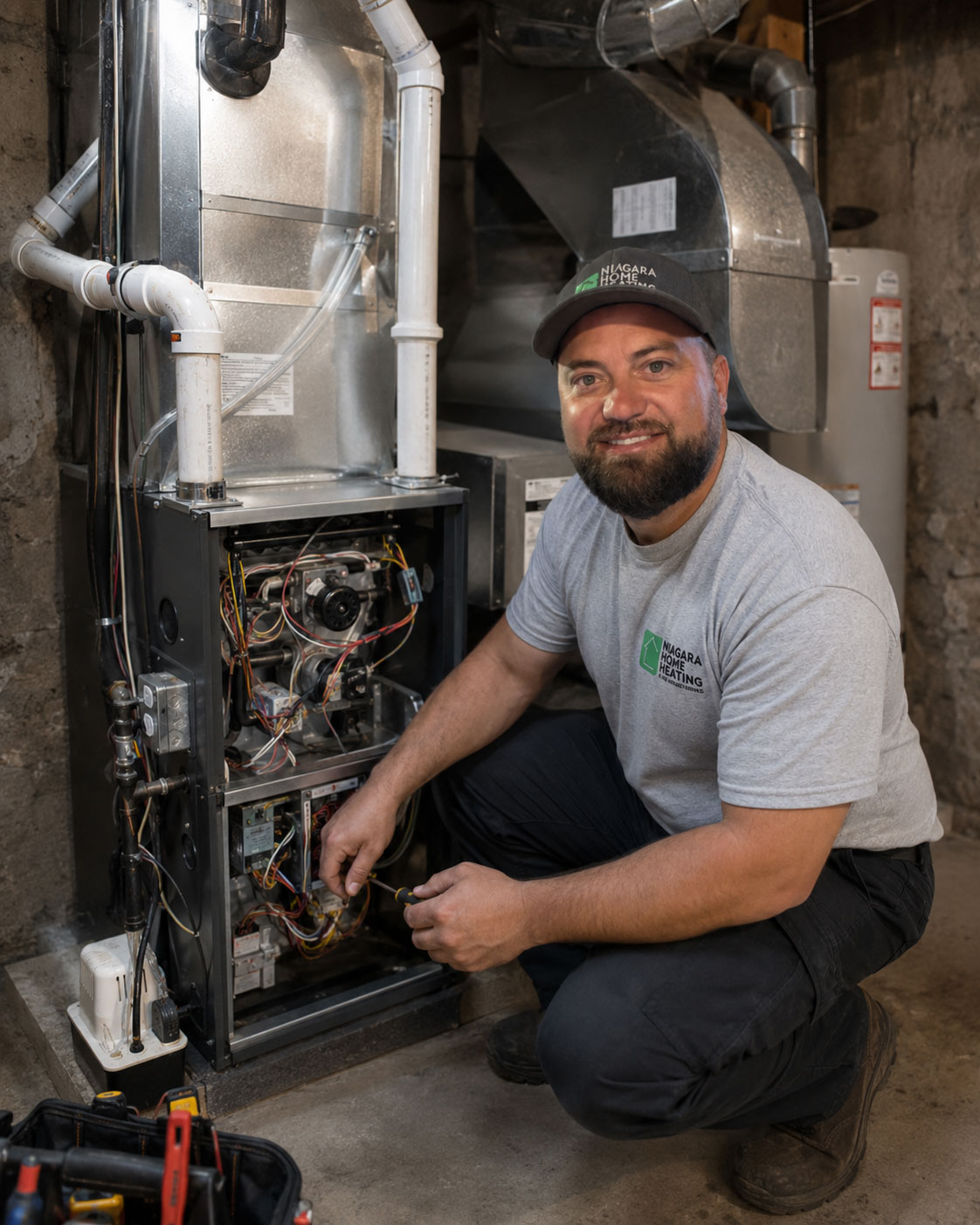
Furnace Repair in Niagara On The Lake, ON
A reliable furnace is essential for Niagara On The Lake homes, where cold winters, lake-effect snow and occasional deep freezes can make even a single day without heat uncomfortable and risky. This page explains the typical furnace repair services for local residents, the faults we commonly diagnose, how technicians approach diagnostics and repairs, what parts are replaced, realistic timelines, workmanship guarantees, and practical steps to reduce repeat failures in this region.
Common furnace problems in Niagara On The Lake
Homeowners in NOTL commonly call for furnace repair for these issues:
- Ignition and pilot failures: Electronic ignition modules, hot surface ignitors and pilot assemblies can fail from age, power surges or repeated cycling. Symptoms include no heat or intermittent heating.
- Blower motor and fan issues: Worn bearings, broken belts (in older units) or clogged blower wheels lead to weak airflow, unusual noises or intermittent operation.
- Thermostat faults and control board failures: Incorrect temperature readings, short cycling or non-responsive systems often trace back to thermostats, wiring or control boards damaged by voltage spikes or moisture.
- Flame sensor and gas valve problems: A dirty or failing flame sensor or a sticking gas valve causes frequent shutdowns for safety reasons.
- Limit switch and safety device trips: Overheating from dirty filters, blocked vents or restricted return air triggers limit switches that shut the furnace down.
- Heat exchanger concerns: Cracks or corrosion in the heat exchanger are serious safety issues that require immediate assessment; symptoms can include frequent shutdowns or soot-like deposits.
- Airflow and duct-related problems: Blocked registers, collapsed ducts in older homes or widespread dust and debris reduce efficiency and cause uneven heating.
How we diagnose furnace issues
A clear, methodical diagnostic approach helps find root causes quickly:
- Initial symptom interview: Technician documents what you observed, when the issue started and any recent changes to the home (power outages, renovations, seasonal shutdown).
- Visual and safety check: Inspecting vents, filter condition, combustion chamber, flue and visible wiring for obvious hazards.
- Operational testing: Running the furnace through a controlled start-up sequence while monitoring ignition, flame characteristics, blower operation and thermostat response.
- Component testing: Measuring voltages, temperatures, pressure switches and continuity on suspect parts like ignitors, motors, and control boards.
- Airflow and duct inspection: Checking static pressure and return air to identify restrictions or duct leaks that can cause overheating and premature component failure.
- Report and recommendation: After diagnosis, a detailed explanation of the fault, suggested repairs or replacements, and factors that could influence timing and parts availability.
Parts and replacements commonly used
Repairs in NOTL homes typically involve reliable, OEM-equivalent parts that meet safety and efficiency standards:
- Ignition modules, hot surface ignitors and pilot assemblies
- Blower motors, capacitors and belts (where applicable)
- Thermostats (smart and conventional) and control boards
- Flame sensors, limit switches and pressure switches
- Gas valves and sealed combustion components
- Heat exchanger assessment and, if necessary, replacement or system upgrade
- Filters, condensate traps and safety devices
Technicians test replaced components for proper operation and combustion safety, and they verify venting and flue integrity after work is completed.
Typical repair timelines and cost factors
Repair timelines in Niagara On The Lake vary by fault complexity and parts availability:
- Simple fixes (filters, thermostats, minor electrical repairs): Often completed the same day during the service visit.
- Moderate repairs (blower motor, ignition assembly, control board replacement): Frequently completed within 24 to 48 hours if parts are in stock.
- Major repairs (heat exchanger replacement or major flue work): These can require several days due to parts lead times, access requirements and safety inspections.
Instead of flat pricing, repair costs depend on factors such as the age and condition of the furnace, accessibility of the unit (many NOTL homes have compact or heritage mechanical spaces), whether OEM parts are required, and whether related systems (ductwork, venting) also need attention. A full diagnostic is the best way to produce an accurate repair estimate.
Guarantees on workmanship and safety checks
Professional furnace repair includes more than fixing a symptom. Local technicians typically back repairs with workmanship guarantees and ensure compliance with Ontario safety standards:
- Workmanship assurance: Repairs are tested thoroughly before the technician leaves to confirm reliable operation.
- Parts warranties: Replaced parts often carry manufacturer warranties; technicians document part numbers and warranty information.
- Safety verifications: Combustion safety checks, carbon monoxide screening, gas leak checks and flue inspections are performed as part of any major repair.
- Code and permit awareness: For work that impacts gas lines, venting or structural elements, technicians advise on required permits and safe practices.
Tips to prevent repeat failures in Niagara On The Lake homes
Preventive care reduces emergency repairs and extends equipment life:
- Schedule annual pre-winter maintenance: A professional tune-up before the heating season catches worn components and optimizes combustion.
- Replace filters regularly: In homes with higher dust from vineyard work, renovations or travel-related vacancy, change filters more often.
- Keep vents and returns clear: Avoid blocking returns with furniture or stored items; good airflow prevents overheating.
- Protect electronics from power issues: Use surge protection for control boards or install whole-home surge devices in areas prone to winter storms.
- Manage humidity and ventilation: Proper humidity control reduces corrosion and improves combustion performance in older houses.
- Winterize seasonal homes: If your NOTL property is vacant for parts of the year, have a technician perform shutdown and recommissioning checks to avoid freeze damage.
Why prompt furnace repair matters in Niagara On The Lake
Timely furnace repair protects your family, preserves the integrity of older homes and prevents costly secondary damage. Addressing ignition, airflow or combustion issues quickly reduces energy waste, prevents freezing of pipes during deep cold snaps, and ensures consistent comfort throughout the winter tourism season and off-season months alike.
Scheduling repairs and maintenance after a professional diagnostic ensures you get the safest, most cost-effective solution tailored to the specific conditions of Niagara On The Lake homes.

Customer Testimonials

We had an amazing experience getting our new furnace installed with Niagara Home Heating. The owner was very helpful, their quote was more then competitive and the technician who installed the unit was professional and friendly. I would recommend their services.

I called John today at 2:pm as my AC was not working and I wasn’t expecting even a call back as I knew with this hot weather we have had he would be swamped with calls. Well he called me back and showed at 8:pm on the same day to fix my AC. That is just incredible service and how much John really cares about his clients. Thank you John !
Lifesavers!! The AC in our house decided to quit the day we were passing the keys to the new owners!! Instead of making a service call to the house, John coached me through the minor repair over the phone, saving me the money and time waiting for a repair person to come.Much appreciated! Thanks again John
I had an issue with my hot water tank and called Niagara Home Heating. Their service was fantastic and reasonably priced—exactly how a business should be run!
I have used Niagara Home heating for multiple projects for over 16 years. John and his staff are absolutely the best. I tell all my friends and family about Niagara Home Heating because you won’t get any better service or pricing anywhere in Niagara. He has saved me thousands and thousands of dollars and has never let me down.
Very efficient company. I needed an old solar water heater removed from my roof. They were quick to book an appointment for the next day after I sent photos. They were very knowledgeable of the issue. The 2 guys that came were friendly and competent with the job, including removal of all parts.

Service Areas
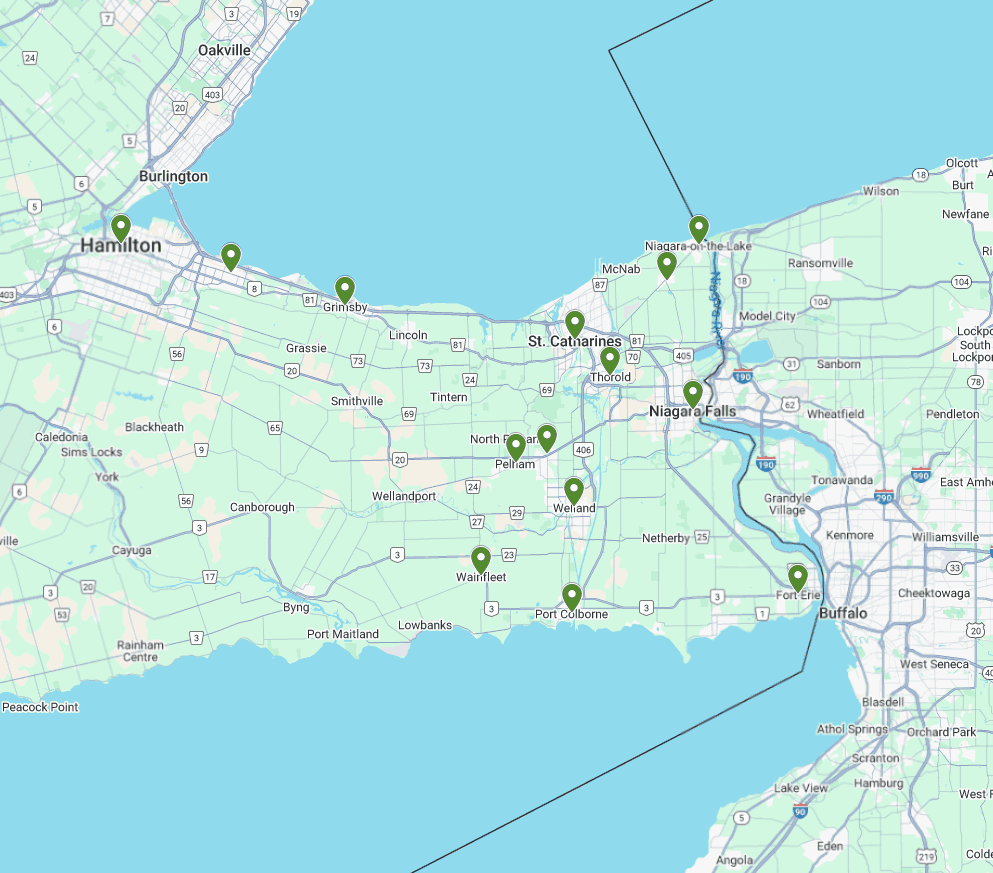
Our service areas encompass a wide range of locations, ensuring that we can meet the needs of our clients wherever they are. From bustling urban centers to serene rural landscapes, we are committed to providing top-notch services tailored to each unique environment.