



AC installation services in Phoenix, AZ provide reliable, energy-efficient climate control for homes and small businesses. The guide describes why professional installation matters, including proper sizing, load calculations, and equipment selection to maximize performance and longevity. It highlights scheduler-friendly options, seasonal promotions, and financing considerations to help customers plan. The emphasis is on accurate assessment, quality workmanship, and transparent pricing, ensuring comfort, lower energy bills, and a smoother retrofit or new-build experience for residents and contractors alike.
.jpeg)
Heating maintenance in Niagara On The Lake, ON
Keeping your heating system well maintained is one of the most important investments you can make for comfort, safety and energy costs in Niagara On The Lake, ON. With cold, lake-enhanced winters and many older or heritage homes in the area, furnaces, boilers and heat pumps work harder and are more exposed to moisture and corrosion than in milder climates. Regular heating maintenance stops small issues from becoming emergency breakdowns, restores peak efficiency, and extends the life of equipment that is often expensive to replace.
Common heating maintenance tasks and seasonal checklist
Routine maintenance focuses on a handful of high-impact tasks that directly affect performance, safety and efficiency:
- Filter changes and air flow checks — Replace or clean filters to restore proper airflow. Restricted airflow forces the system to work harder, increases wear and raises heating bills.
- Safety checks — Verify carbon monoxide detectors, safety shutoffs, flame sensors and pressure switches to keep your home safe.
- Burner and ignition inspection — Clean burners, inspect the ignition system or pilot assembly, and adjust combustion settings for efficient, complete burning of fuel.
- Heat exchanger and flue inspection — Check for cracks, corrosion or blockages in the heat exchanger and venting that can cause unsafe operation or poor venting of combustion gases.
- Blower and motor tuning — Clean blower wheels, lubricate motors if required, and test blower speed and amperage to ensure consistent airflow.
- Thermostat calibration and controls check — Ensure the thermostat, control board and sensors are operating accurately to avoid cycling problems and uneven heating.
- Ductwork and distribution inspection — Look for leaks, disconnected ducts, or insulation gaps that cause heat loss and uneven temperatures.
- Humidifier/HRV/ERV and condensate maintenance — Clean and test add-on equipment that affects indoor comfort and system efficiency.
- Electrical connections and belts — Tighten loose connections and inspect belts for wear to prevent motor failures.
How a routine heating maintenance visit works
A typical maintenance visit is thorough but straightforward, designed to diagnose and optimize your system without unnecessary work:
- Technician arrival and system history review — recent issues, service records and any homeowner concerns are noted.
- Visual inspection — cabinet, piping, flue, vents and combustion area are examined for obvious problems.
- Filter check and airflow measurement — filters are replaced or cleaned and airflow is measured.
- Combustion and ignition testing — burners and ignition components are inspected and cleaned; combustion is tested where applicable to ensure safe operation.
- Electrical, controls and thermostat checks — wiring, relays and controls are tested and adjusted; thermostat is calibrated.
- Performance tuning — blower adjustments, gas pressure or heat output tuning to restore efficiency.
- Safety systems validation — carbon monoxide checks, safety switches and venting are verified.
- Report and recommendations — a clear summary of findings, any recommended repairs, and maintenance history recorded for future reference.
Most residential tune-ups take about 60–90 minutes, depending on the system and any follow-up work required.
Benefits of regular heating maintenance
Regular heating maintenance delivers several measurable advantages for Niagara On The Lake homes:
- Improved efficiency and lower energy bills — Clean burners, calibrated thermostats and unobstructed airflow reduce fuel consumption.
- Fewer breakdowns and greater reliability — Preventive checks catch worn parts before failure, reducing emergency calls during cold spells.
- Extended equipment life — Routine care reduces corrosive wear and mechanical stress, delaying costly replacements.
- Safer operation — Early detection of cracked heat exchangers, blocked flues or malfunctioning safety controls reduces risk of carbon monoxide and fire hazards.
- Warranty compliance — Many manufacturers require annual maintenance to keep warranties valid.
- Priority service and peace of mind — Service members typically receive faster scheduling and other perks that are crucial during peak winter demand.
Memberships and service agreements — what members typically receive
For homeowners who want predictable service and priority treatment, maintenance programs commonly include:
- Annual or seasonal tune-ups scheduled before the heating season
- Priority scheduling during peak cold weather and emergency response windows
- Discounts on parts and labor for covered repairs
- Waived diagnostic fees for members when problems occur
- Automated seasonal reminders so maintenance is not missed
- Service records kept for warranty and resale value
These perks are designed to minimize downtime and give homeowners first access to technicians when temperatures drop.
Recommended maintenance frequency for Niagara On The Lake
- Furnaces and boilers: At minimum once per year, ideally in early fall before sustained heating begins. Homes with older equipment, heavy use, or visible soot/corrosion should schedule service twice yearly (fall and mid-winter).
- Heat pumps: Twice a year is ideal — once before heating season and once before cooling season — because heat pumps work in both modes and can accumulate moisture-related issues.
- Filters: Check monthly. Replace every 1–3 months for standard pleated filters; higher-efficiency media or electrostatic filters may last longer but still need routine inspection.
- Humidifiers, HRVs/ERVs and hot water systems: Annually, or more often if in constant use.
- Ductwork: Inspect every 2–3 years or sooner if you notice pressure loss, dust buildup or uneven temperatures.
Common problems maintenance prevents and solves
- Clogged filters leading to overheating and short cycling
- Dirty burners or failed ignition causing incomplete combustion and higher fuel use
- Cracked heat exchangers or blocked flues that create safety hazards
- Reduced airflow from dirty blowers and ducts, resulting in cold rooms and frozen coils
- Thermostat miscalibration causing long run times or erratic cycling
- Corrosion on outdoor unit components in areas influenced by lake humidity and winter road salt
Addressing these items during scheduled maintenance avoids emergency repairs during Niagara On The Lake’s coldest periods and preserves system efficiency when you need it most.
Practical maintenance tips for Niagara On The Lake homeowners
- Schedule a professional tune-up in early fall to ensure reliable operation through winter.
- Keep the area around outdoor units clear of leaves, snow and salt buildup; cover only if manufacturer recommends for your model.
- Check filters monthly during winter and replace sooner if you have pets or a dusty renovation.
- Insulate exposed pipes and ducts in older or heritage homes to reduce heat loss and protect against freezing.
- Install and test carbon monoxide detectors on every level of the home and replace batteries annually.
Regular heating maintenance tailored to the local climate and common home types in Niagara On The Lake prevents costly disruptions, keeps your family safe, and helps you get the best life and efficiency from your heating equipment. Routine inspections, seasonal tune-ups and a simple maintenance agreement are practical steps to protect comfort and value in your home.

Customer Testimonials

I called John today at 2:pm as my AC was not working and I wasn’t expecting even a call back as I knew with this hot weather we have had he would be swamped with calls. Well he called me back and showed at 8:pm on the same day to fix my AC. That is just incredible service and how much John really cares about his clients. Thank you John !

I have used Niagara Home heating for multiple projects for over 16 years. John and his staff are absolutely the best. I tell all my friends and family about Niagara Home Heating because you won’t get any better service or pricing anywhere in Niagara. He has saved me thousands and thousands of dollars and has never let me down.
We had an amazing experience getting our new furnace installed with Niagara Home Heating. The owner was very helpful, their quote was more then competitive and the technician who installed the unit was professional and friendly. I would recommend their services.
I had an issue with my hot water tank and called Niagara Home Heating. Their service was fantastic and reasonably priced—exactly how a business should be run!
Lifesavers!! The AC in our house decided to quit the day we were passing the keys to the new owners!! Instead of making a service call to the house, John coached me through the minor repair over the phone, saving me the money and time waiting for a repair person to come.Much appreciated! Thanks again John
Very efficient company. I needed an old solar water heater removed from my roof. They were quick to book an appointment for the next day after I sent photos. They were very knowledgeable of the issue. The 2 guys that came were friendly and competent with the job, including removal of all parts.

Service Areas
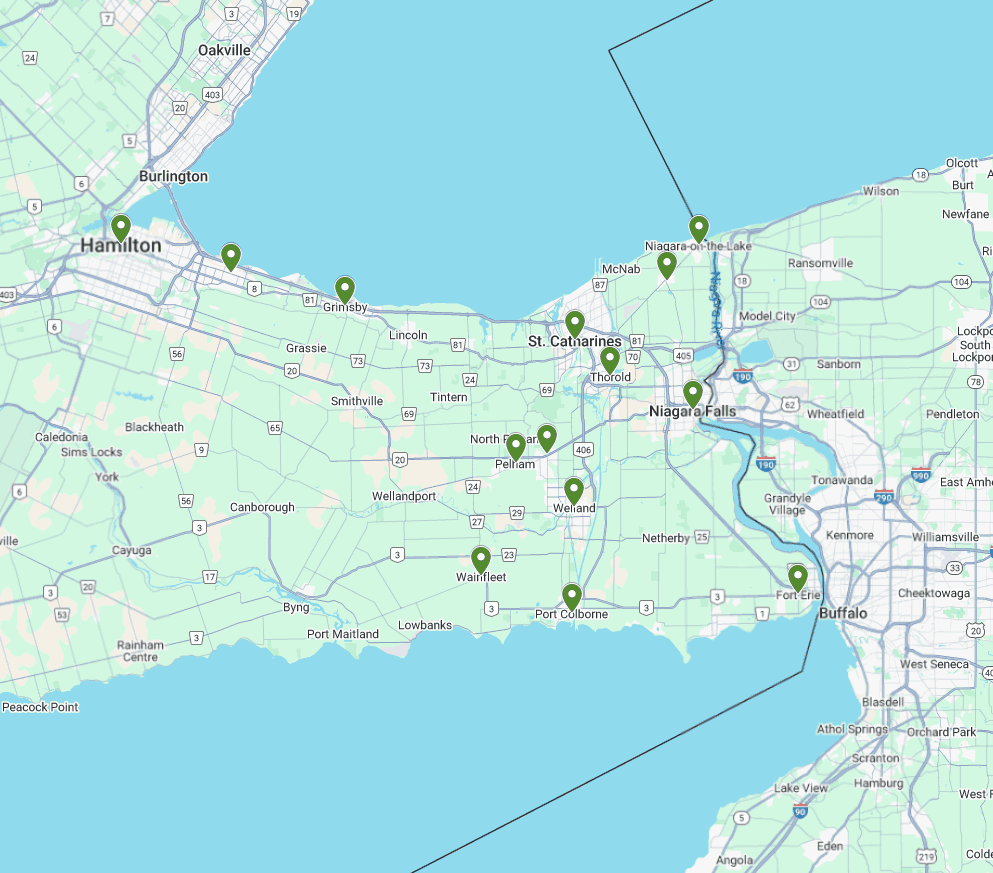
Our service areas encompass a wide range of locations, ensuring that we can meet the needs of our clients wherever they are. From bustling urban centers to serene rural landscapes, we are committed to providing top-notch services tailored to each unique environment.