



Niagara On The Lake heating repair services provide timely, professional diagnostics and on-site repairs tailored to NOTL homes and climate. It describes common furnace, boiler, and heat pump issues, the diagnostic steps technicians use, typical repairs and parts, emergency response options, transparent pricing and warranties, and guidance on when to repair versus replace. It also covers maintenance tips to prevent failures and keep systems efficient, ensuring safe, reliable warmth throughout Niagara On The Lake winters.
.jpeg)
Heating repair in Niagara On The Lake, ON
Keeping your home warm and safe through Niagara On The Lake winters means prompt, accurate heating repair when systems fail. Historic houses, cottages near the lake, and modern builds in NOTL face the same risks: furnace shutdowns, uneven heating, and potentially dangerous carbon monoxide concerns. It describes common heating problems and symptoms, how technicians diagnose issues, typical on-site repairs and parts replacement, emergency response options, transparent pricing and warranty practices, and clear guidance on when to repair versus replace a system — all tailored to Niagara On The Lake homes.
Common heating problems and symptoms in Niagara On The Lake homes
- No heat or intermittent heating: Furnace or heat pump won’t start, or cycles on and off frequently (short cycling).
- Weak or uneven airflow: Rooms feel colder than others or vents have low output.
- Strange noises: Rattling, banging, or squealing from the furnace, boiler, or ductwork.
- Unusual odors: Burning smells or persistent fuel/gas odors can indicate electrical or gas issues.
- High energy bills: Rising heating costs despite normal thermostat settings often point to efficiency loss.
- Frequent pilot outages or ignition failures: Older furnaces or boilers that struggle to light.
- Visible leaks or pressure loss: Boilers and hot water systems showing water around the unit or dropping pressure.
- Heat exchanger cracks or corrosion: Often produces safety risks and requires immediate attention.
- Heat pump-specific issues: Failure to switch between heat and cooling modes, noisy compressors, or icing during winter.
- Carbon monoxide alarm activation: Any CO alarm is treated as an emergency.
Local factors that affect systems: lake-effect humidity, freeze-thaw cycles, and older masonry homes in NOTL can stress piping, ductwork, and external components leading to leaks and reduced efficiency.
How technicians diagnose and troubleshoot
Technicians follow a systematic, safety-first approach to identify the root cause before any repair:
- Initial visual inspection: Check filters, vents, visible components, pilot light or ignition system, and for signs of leaks or corrosion.
- Thermostat and control checks: Verify settings, battery and communication between thermostat and system.
- Airflow assessment: Measure blower operation, duct leakage, and vent blockages.
- Electrical testing: Use multimeters to test capacitors, control boards, limit switches, and relays.
- Combustion and safety checks: Inspect burners, flame sensors, and perform carbon monoxide testing when applicable.
- Pressure and leak testing for boilers: Check expansion tank, relief valves, and circulating pumps.
- Refrigerant and compressor checks for heat pumps: Measure pressures, look for leaks, and verify defrost cycles.
- Diagnostic tools used: Combustion analyzer, manometer, gas leak detector, infrared camera, and HVAC-specific diagnostic software.
Technicians explain findings in plain language and describes repair options with expected outcomes and safety implications.
Typical on-site repairs and parts replacement
Most repairs are completed on-site the same day if parts are available. Common repairs include:
- Routine service items: Filter replacement, cleaning burners and flame sensors, lubricating motors.
- Controls and electrical: Replacing thermostats, capacitors, relays, and control boards.
- Ignition and gas components: Replacing igniters, pilot assemblies, gas valves, and pressure switches.
- Blower and combustion: Motor replacement, belt changes, and inducer motor repairs.
- Heat exchanger and safety components: Repair or replacement when safe; cracked heat exchangers are a safety concern and often necessitate replacement of the unit.
- Heat pump repairs: Compressor start components, reversing valve, contactors, and refrigerant leak repair.
- Boiler and hydronic: Circulating pump, expansion tank, zone valves, relief valves and pipe repairs.
- Ductwork and airflow fixes: Seal or adjust ducts, replace registers, and balance airflow for even heating.
Parts are matched to the system make and model, and technicians advise on manufacturer compatibility and expected lifespan of replacements.
Emergency response and 24/7 availability
Niagara On The Lake winters make rapid response essential for no-heat scenarios or any carbon monoxide incident. Emergency protocols include:
- Prioritizing CO alarm activations and no-heat calls for vulnerable occupants.
- Safe shut down procedures and temporary measures to protect pipes and indoor conditions.
- Rapid diagnostic triage to determine if a temporary fix or part replacement is required.
- Coordination for after-hours repair, weekend service, and urgent parts sourcing when possible.
Emergency work follows safety codes and local regulations to ensure your home is safe before normal operation resumes.
Transparent pricing and repair warranty
Quality heating repair services use clear pricing and stand behind their work:
- Upfront diagnostics: You receive an itemized diagnosis explaining labor, parts, and recommended action before work begins.
- No hidden fees: Estimates describes what is included and what may change if additional issues are found.
- Warranty coverage: Repairs typically include a parts and labor warranty; manufacturer warranties may also apply to specific components.
- Permits and compliance: When required, work is performed to local code and necessary permits are handled to ensure safety and resale compliance.
Technicians will explain warranty terms and how they apply to parts and workmanship so you know what is covered.
When to repair versus replace
Use these factors to decide whether to repair a heating system or replace it:
- System age: Furnaces typically last 15 to 20 years, boilers 15 to 25 years, and heat pumps 10 to 15 years. Older units nearing the end of life are better candidates for replacement.
- Frequency and cost of repairs: Repeated breakdowns or major repairs within a few years suggest replacement for long-term reliability.
- Repair cost versus value: If a single repair approaches a significant portion of the system replacement cost, replacement may be more economical.
- Energy efficiency and operating cost: Older systems lose efficiency. New equipment can reduce fuel use and improve comfort.
- Safety concerns: Cracked heat exchangers, persistent CO leaks, or major combustion issues require replacement on safety grounds.
- Availability of parts: Obsolete systems can be costly or impossible to repair due to parts scarcity.
Technicians provide an honest assessment, comparing repair costs and expected remaining life to help you make an informed decision.
Maintenance and prevention for NOTL homes
Regular care reduces emergency repairs and extends system life:
- Schedule annual heating tune-ups before the heating season.
- Change filters regularly and keep vents and returns unobstructed.
- Install and test carbon monoxide detectors on every floor.
- Protect outdoor components from snow and ice during heavy lake-effect storms.
- Insulate exposed piping in older stone or heritage homes to prevent freezing.
- Keep thermostat settings consistent and consider programmable controls for efficiency.
Regular maintenance is the best defense against unexpected failures and helps reduce energy bills.
SummaryFor Niagara On The Lake homeowners, timely and professional heating repair means safer, more reliable comfort through cold months. Accurate diagnosis, transparent pricing, clear warranty terms, and honest guidance on repair versus replacement help you choose the right solution for your home and budget. Skilled local technicians understand NOTL building characteristics and climate impacts, ensuring repairs are done correctly, safely, and with lasting results.

Customer Testimonials

I called John today at 2:pm as my AC was not working and I wasn’t expecting even a call back as I knew with this hot weather we have had he would be swamped with calls. Well he called me back and showed at 8:pm on the same day to fix my AC. That is just incredible service and how much John really cares about his clients. Thank you John !

We had an amazing experience getting our new furnace installed with Niagara Home Heating. The owner was very helpful, their quote was more then competitive and the technician who installed the unit was professional and friendly. I would recommend their services.
I have used Niagara Home heating for multiple projects for over 16 years. John and his staff are absolutely the best. I tell all my friends and family about Niagara Home Heating because you won’t get any better service or pricing anywhere in Niagara. He has saved me thousands and thousands of dollars and has never let me down.
Lifesavers!! The AC in our house decided to quit the day we were passing the keys to the new owners!! Instead of making a service call to the house, John coached me through the minor repair over the phone, saving me the money and time waiting for a repair person to come.Much appreciated! Thanks again John
Very efficient company. I needed an old solar water heater removed from my roof. They were quick to book an appointment for the next day after I sent photos. They were very knowledgeable of the issue. The 2 guys that came were friendly and competent with the job, including removal of all parts.
I had an issue with my hot water tank and called Niagara Home Heating. Their service was fantastic and reasonably priced—exactly how a business should be run!

Service Areas
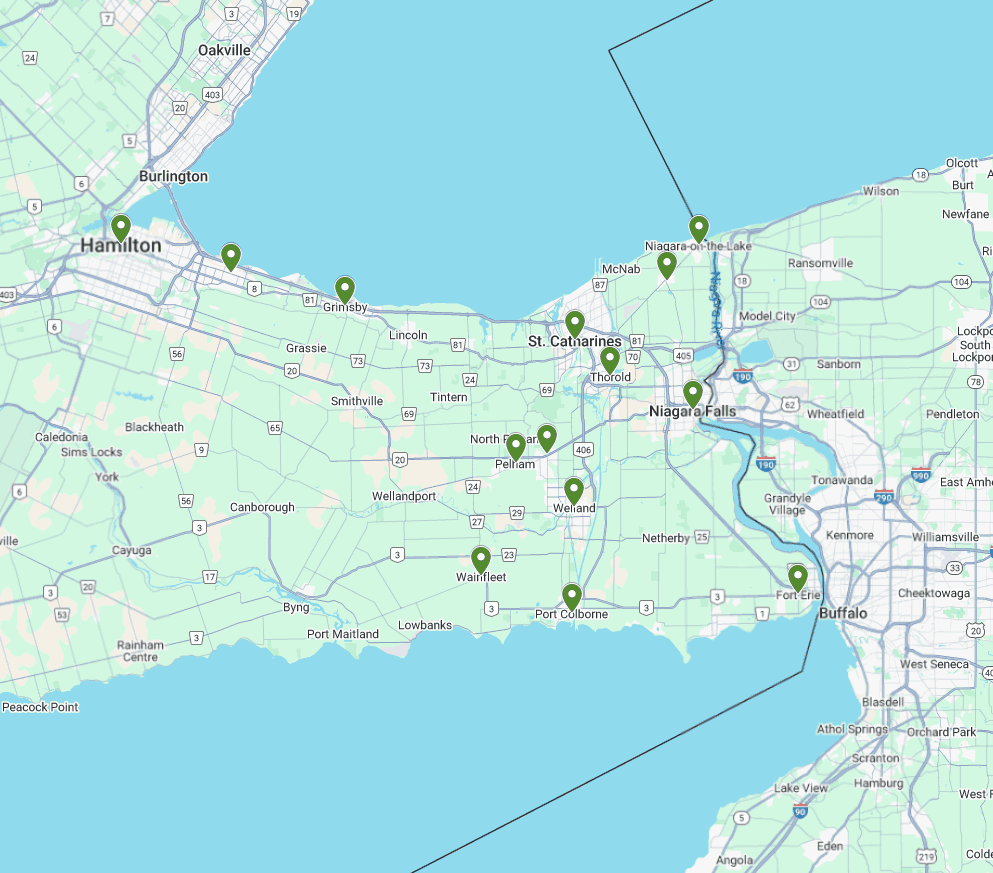
Our service areas encompass a wide range of locations, ensuring that we can meet the needs of our clients wherever they are. From bustling urban centers to serene rural landscapes, we are committed to providing top-notch services tailored to each unique environment.